No te vayas sin conocer la historia Suscribete
IAudioGuia iaudioguia
Audio Guides of Huaraz

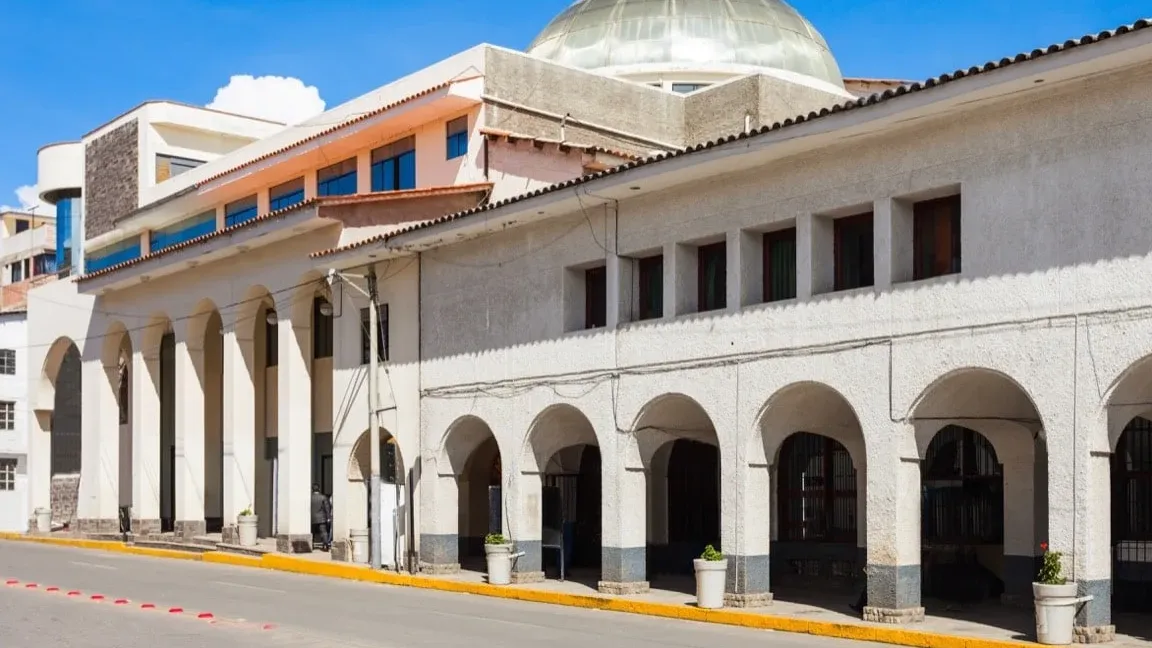
Audio Guide of the Ancash Archaeological Museum

El Museo Arqueológico de Áncash en Huaraz, Perú, resguarda una excepcional colección de artefactos prehispánicos que revelan la evolución cultural de la región andina desde el periodo precerámico hasta la época inca.

✓ What guidebooks don't tell you
✓ Secrets other tourists miss
✓ Listen while you explore
Discover everything
00:00
00:00
Rate this audio guide

📖 Audio Guide Chapters

6 chapters

1. Welcome to the Ancash Archaeological Museum

🔒 Premium Content

Subscribe to access all chapters of this audio guide.

2. The Architecture of the Ancash Archaeological Museum

🔒 Premium Content

Subscribe to access all chapters of this audio guide.

3. History and Figures of the Ancash Archaeological Museum

🔒 Premium Content

Subscribe to access all chapters of this audio guide.

4. Art and Details of the Ancash Archaeological Museum

🔒 Premium Content

Subscribe to access all chapters of this audio guide.

5. Secrets and Curiosities of the Ancash Archaeological Museum

🔒 Premium Content

Subscribe to access all chapters of this audio guide.

6. Farewell and Recommendations

🔒 Premium Content

Subscribe to access all chapters of this audio guide.

❓ Frequently Asked Questions

What are the opening hours and where exactly is the museum located?

The Ancash Archaeological Museum "Augusto Soriano Infante" is located opposite the Plaza de Armas of Huaraz, at 762 Luzuriaga Avenue. It is generally open Tuesday to Sunday from 9:00 a.m. to 5:00 p.m. (closed on Mondays), although we recommend checking before your visit through its listing on the Ministry of Culture website.

How much is admission, or is it free?

Admission is quite affordable: the general rate is usually around S/ 5.00 to S/ 7.00 soles, with significant discounts for students and children. Tickets are purchased directly at the museum ticket office upon arrival.

How much time should I set aside to tour the entire museum?

To enjoy the four exhibition halls and, above all, the impressive Lithic Park (the garden of stone monoliths), we recommend setting aside between 60 and 90 minutes. It is a history-rich visit, but compact in length.

What makes this museum so special or historically important?

This museum houses the largest collection of Recuay Culture stone sculptures (monoliths) in South America, unique pieces dating from 200 BC to AD 600. It is the key place to understand the pre-Hispanic history of the Callejón de Huaylas before visiting sites such as Chavin de Huantar.

What is the best time of year or time of day to visit?

The best time is during the dry season in the highlands (May to September), and preferably in the morning, around 10:00 a.m., when natural light best illuminates the sculpture garden for photographs.

Does the museum have facilities for people with reduced mobility?

The museum provides basic access to the main level and the famous monolith park, which is the main attraction. However, as it is an older building, access to the upper galleries may require assistance; ask the security staff at the entrance for help.

What other interesting places can I visit nearby after leaving the museum?

Because it is located right in the heart of Huaraz, when you leave you will find the Plaza de Armas directly in front of you, and a few blocks away, the Sanctuary of the Lord of Solitude. You can also catch nearby transport to visit the ruins of Willkawain, located just 7 km from the city.

What practical advice would you give me to make the most of the visit?

Do not limit yourself to the indoor galleries; the real treasure is in the back courtyard with the tenon heads and stone warriors. Bring a light jacket because the museum climate is cool, and remember that with IAudioguia.com you can turn these silent stones into living stories.

¿Prefieres escuchar en español?

🇪🇸 Escucha la audioguía de the Ancash Archaeological Museum en español