¿Sabías que una ventana aquí captura el sol en solsticio como si el Inti mismo bajara a saludar? Escucha los secretos que los incas guardaron en estas piedras.
The Temple of the Sun is located within the Machu Picchu complex, which is generally open from 6:00 a.m. to 5:30 p.m. To visit it, you must first have a ticket to the Inca citadel. To get there, you need to take a bus from Aguas Calientes to the main entrance of Machu Picchu. Once inside, follow the signs; the Temple of the Sun is one of the most prominent structures.
There is no specific additional fee to access the Temple of the Sun; the visit is included with the general admission ticket to the Machu Picchu citadel. However, keep in mind that tickets for Machu Picchu are limited and must be purchased in advance on the official platform of Peru's Ministry of Culture. I recommend buying them several weeks or even months ahead, especially during high season.
Although the Temple of the Sun itself is a compact structure, I recommend setting aside at least 15–20 minutes to appreciate it calmly, observe its architectural details, and enjoy the surrounding views. Within your overall tour of Machu Picchu, which usually lasts 2 to 4 hours, this amount of time will let you enjoy it fully without rushing and understand its importance.
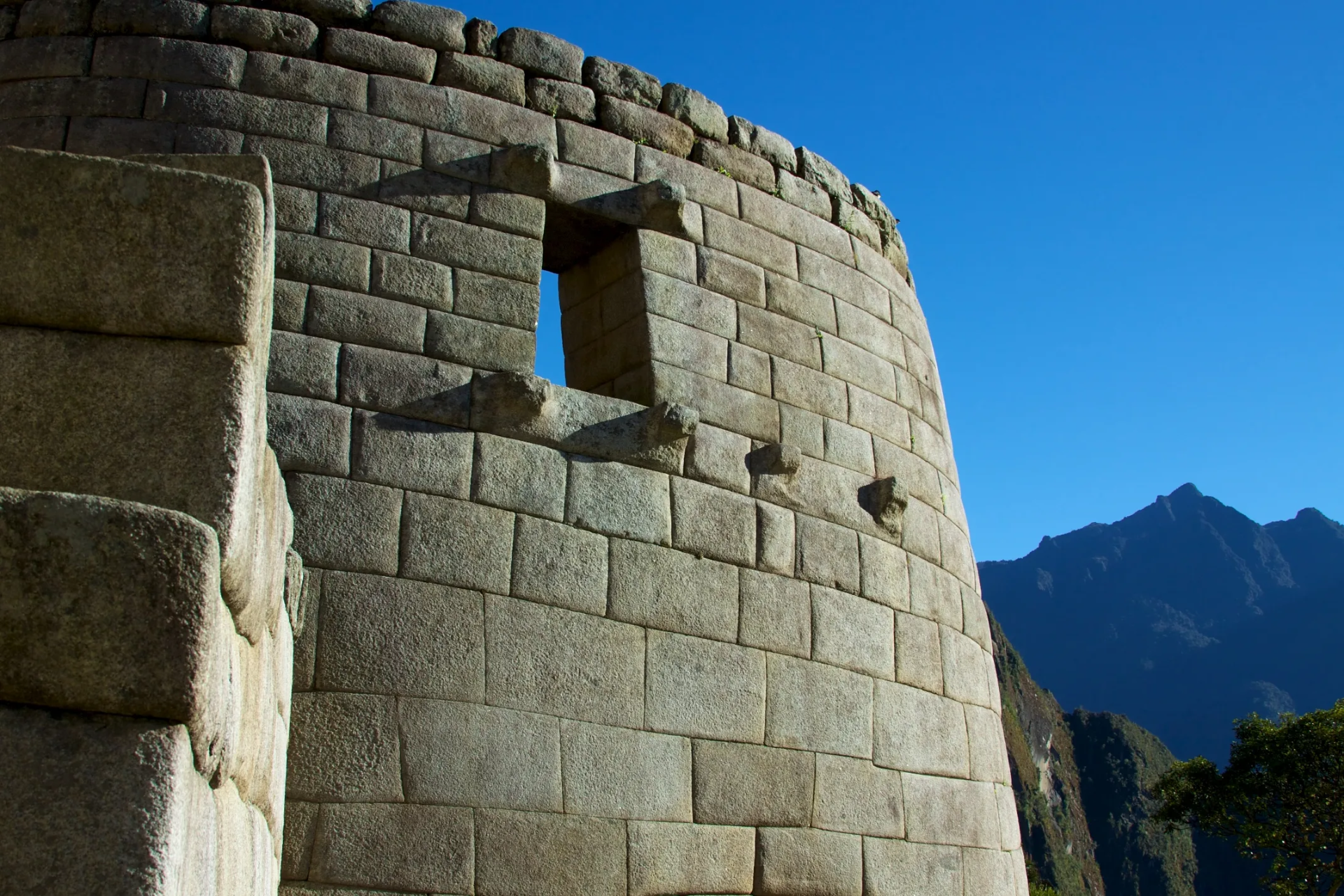
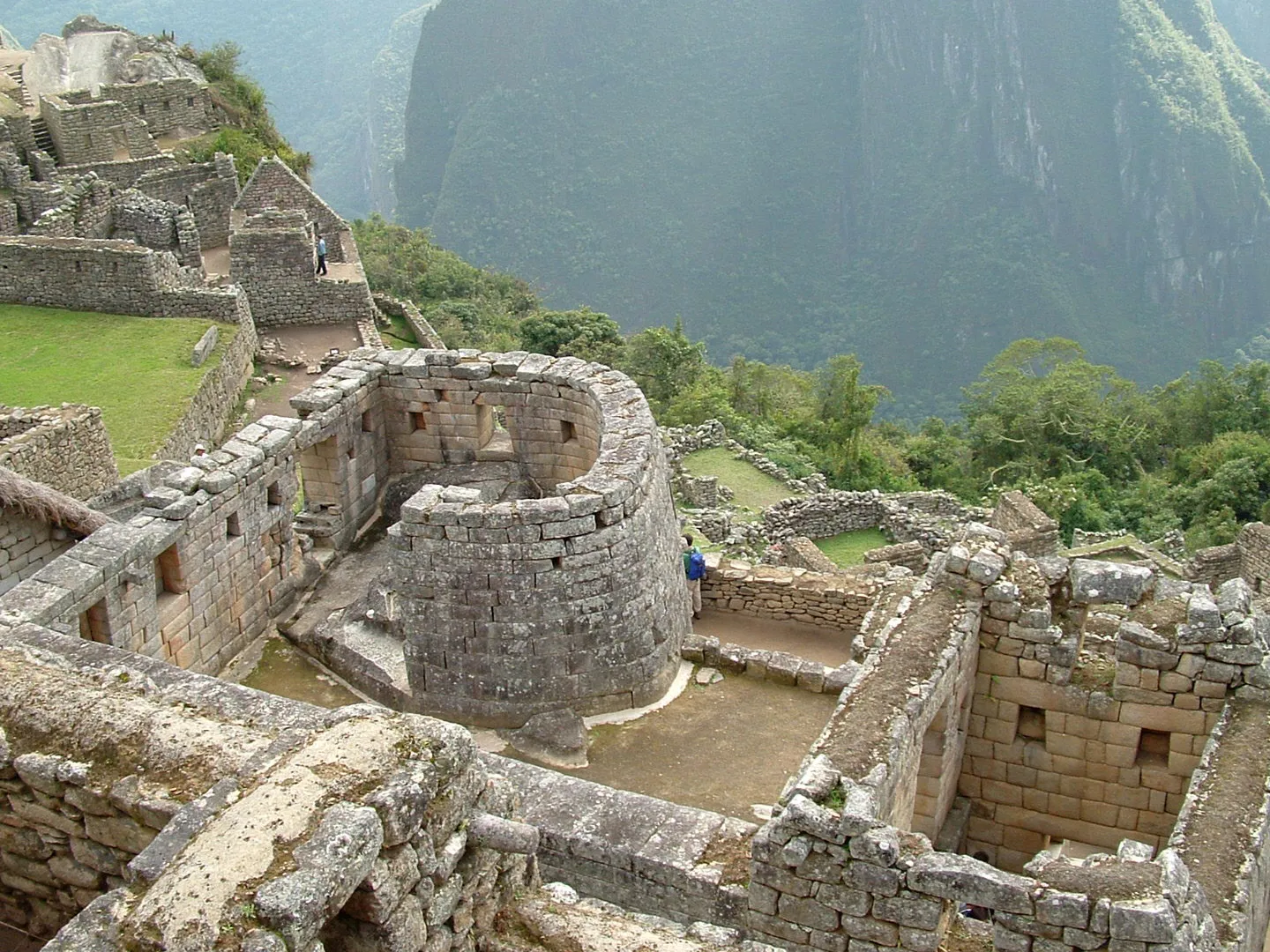
The Temple of the Sun is crucial because it is believed to have been an astronomical observatory and a place of worship dedicated to Inti, the Inca sun god. Its ingenious construction, aligned with solar phenomena such as the solstices, demonstrates the Incas' advanced astronomical knowledge and their deep connection to their celestial deities. The trapezoidal windows and the altar inside are evidence of these practices.
To avoid the biggest crowds and enjoy better light for photographs, I suggest visiting the Temple of the Sun early in the morning (just after Machu Picchu opens, around 6:30–7:30 a.m.) or late in the afternoon (after 3:00 p.m.). As for the best time of year, the dry season (May to October) offers clearer skies, although with more tourists; the rainy season (November to April) has fewer people, but with a higher chance of mist or rain.
Unfortunately, the Temple of the Sun, like much of Machu Picchu, has stairs, uneven terrain, and elevation changes that make access difficult, if not impossible, for people with reduced mobility or those using wheelchairs. The nature of the archaeological site, with its original stone paths, does not allow full accessibility. It is recommended to assess each visitor's physical ability.
Around the Temple of the Sun, do not miss the House of the Inca sector, a series of finely finished rooms, and the ceremonial fountain within the same Temple Complex. Also, be sure to explore the Main Plaza, the Intihuatana (sun clock), and the Temple of the Three Windows; all are key sites that complement the Machu Picchu experience.
For the best experience, I recommend wearing comfortable shoes, bringing a bottle of water, sunscreen, and a hat, and not forgetting your camera. Hiring an official Machu Picchu guide is highly recommended to understand the rich history of the Temple of the Sun and the site in general. Also, remember that the use of walking sticks is restricted to those with rubber tips.
¿Prefieres escuchar en español?
🇪🇸 Escucha la audioguía de Temple of the Sun en español