No te vayas sin conocer la historia Suscribete
IAudioGuia iaudioguia
Audio Guides of Bosque Pomac

Audio Guide of Pómac Forest

A natural sanctuary in Piura that preserves the history and biodiversity of ancient carob trees.

✓ What guidebooks don't tell you
✓ Secrets other tourists miss
✓ Listen while you explore
Discover everything
00:00
00:00
Rate this audio guide

📖 Audio Guide Chapters

6 chapters

1. Introduction and History

🔒 Premium Content

Subscribe to access all chapters of this audio guide.

2. Characteristic Flora and Fauna

🔒 Premium Content

Subscribe to access all chapters of this audio guide.

3. Archaeological Context

🔒 Premium Content

Subscribe to access all chapters of this audio guide.

4. The Lord of Sicán and Other Discoveries

🔒 Premium Content

Subscribe to access all chapters of this audio guide.

5. Local Curiosities and Legends

🔒 Premium Content

Subscribe to access all chapters of this audio guide.

6. Cultural Importance and Legacy

🔒 Premium Content

Subscribe to access all chapters of this audio guide.

❓ Frequently Asked Questions

What are the sanctuary's opening hours and how do I get there exactly?

The Pómac Forest Historical Sanctuary is open Monday to Sunday from 8:00 a.m. to 5:00 p.m. To get there, head to the province of Ferreñafe in the Lambayeque region, about 45 minutes from Chiclayo, taking transportation to the Batán Grande sector.

How much do tickets cost, or is entry free?

Admission has a fee managed by SERNANP: the general rate for foreign adults is 30 soles, for Peruvians 11 soles, with reduced rates for children and students. You can buy tickets directly at the control booth of the Interpretation Center.

How much time is recommended for the visit?

For a standard visit that includes the Millenary Tree, Las Salinas Viewpoint, and the huaca area, I recommend setting aside between 3 and 4 hours. If you are interested in specialized birdwatching, it is best to dedicate the whole morning, starting very early.

What makes this forest so historically important?

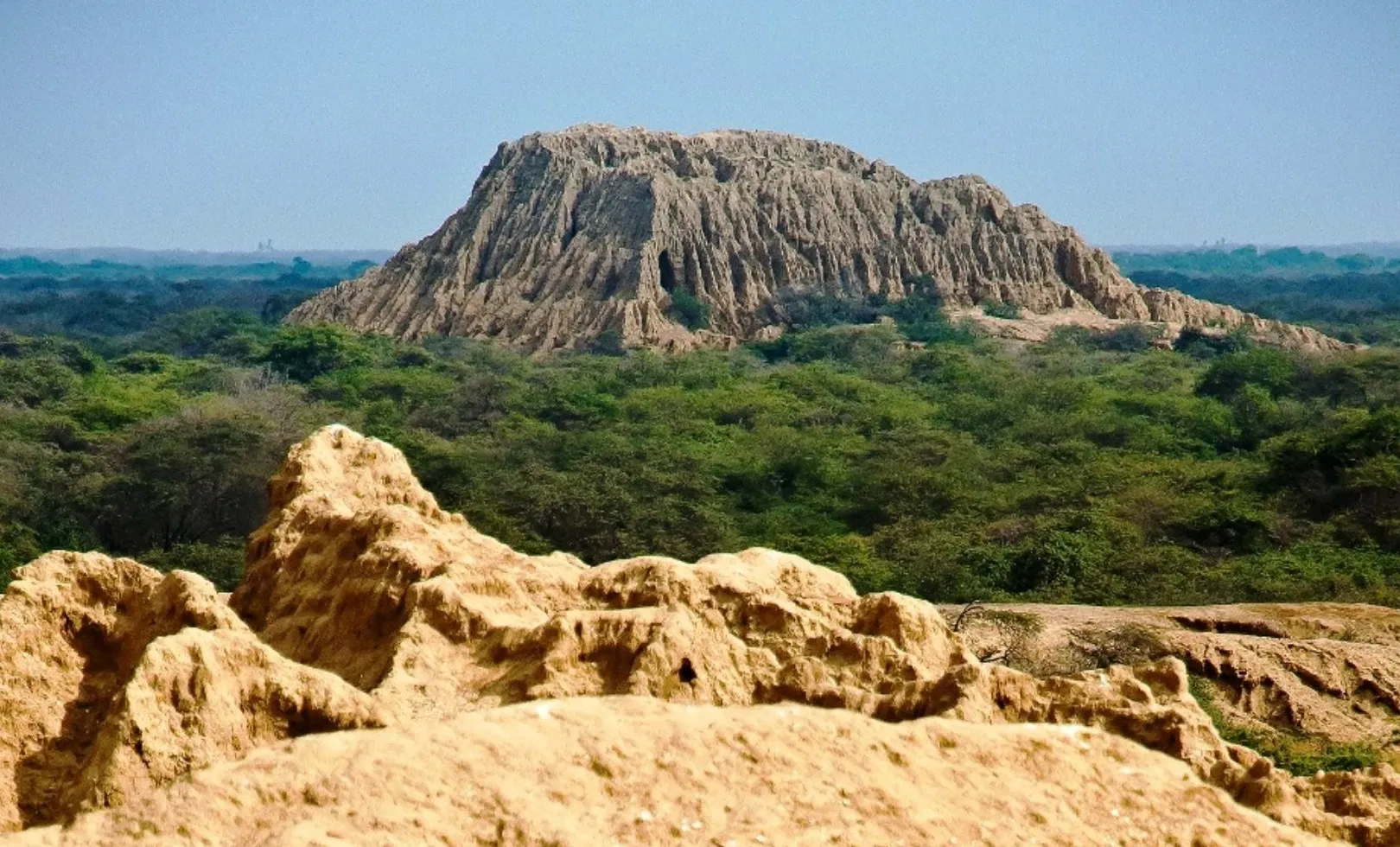
It is the core of the Sicán culture and contains 36 monumental pyramids, including the site where the famous tomb of the Lord of Sicán was discovered. In addition, it is the world's last great refuge of dense equatorial dry forest, combining archaeology and nature.

What is the best time of year or day to go?

The best season is between May and October, the dry season, to avoid the oppressive heat and summer rains. The ideal time of day is 8:00 a.m., when wildlife is most active and the light is perfect for photographing the landscape without such harsh sun.

Are the trails accessible for people with reduced mobility?

Accessibility is limited because the paths are unpaved and the terrain is rugged, although you can reach points very close to the main attractions by vehicle. The Interpretation Center is accessible, but assistance is recommended for the internal routes.

What other tourist attractions are nearby to make the most of the trip?

It is almost essential to visit the Sicán National Museum in Ferreñafe to see the gold and treasures found in the forest. You can also complete the archaeological route by visiting the famous Túcume Pyramids, located a short distance away.

What key advice would you give me so I do not have a bad experience during the visit?

The golden rule is to bring strong insect repellent, sunscreen, a hat, and plenty of water, since the climate is arid. To truly understand the majesty of the pyramids hidden in the forest, I suggest hiring an authorized local guide at the entrance.

¿Prefieres escuchar en español?

🇪🇸 Escucha la audioguía de Pómac Forest en español