Donde las paredes guardan secretos de monjas rebeldes, obispos temperamentales y un fantasma panadero.
The Saint Teresa Temple and Convent in Ayacucho is usually open for visits from Monday to Saturday. You can confirm the exact hours by calling the convent directly, as they may vary. They are generally from 9:00 a.m. to 12:00 p.m. and from 3:00 p.m. to 6:00 p.m. To enter, you can go to the convent's main entrance. I recommend checking the hours before your visit (+5166312450).
Entry to the temple for worship is free. However, if you would like to tour specific areas of the convent, such as the cloister or the art gallery, there may be a small symbolic fee that helps with the site's maintenance. It is best to ask when you arrive at the convent, as these fees may vary. In general, they are very affordable, around 5 to 10 soles.
To have a good experience and appreciate the architecture, artwork, and peaceful atmosphere of the place, I recommend spending at least 1.5 to 2 hours. If you are interested in meditation or the spiritual atmosphere, you may want to stay a little longer. It will depend largely on your level of interest in the historical and artistic details.
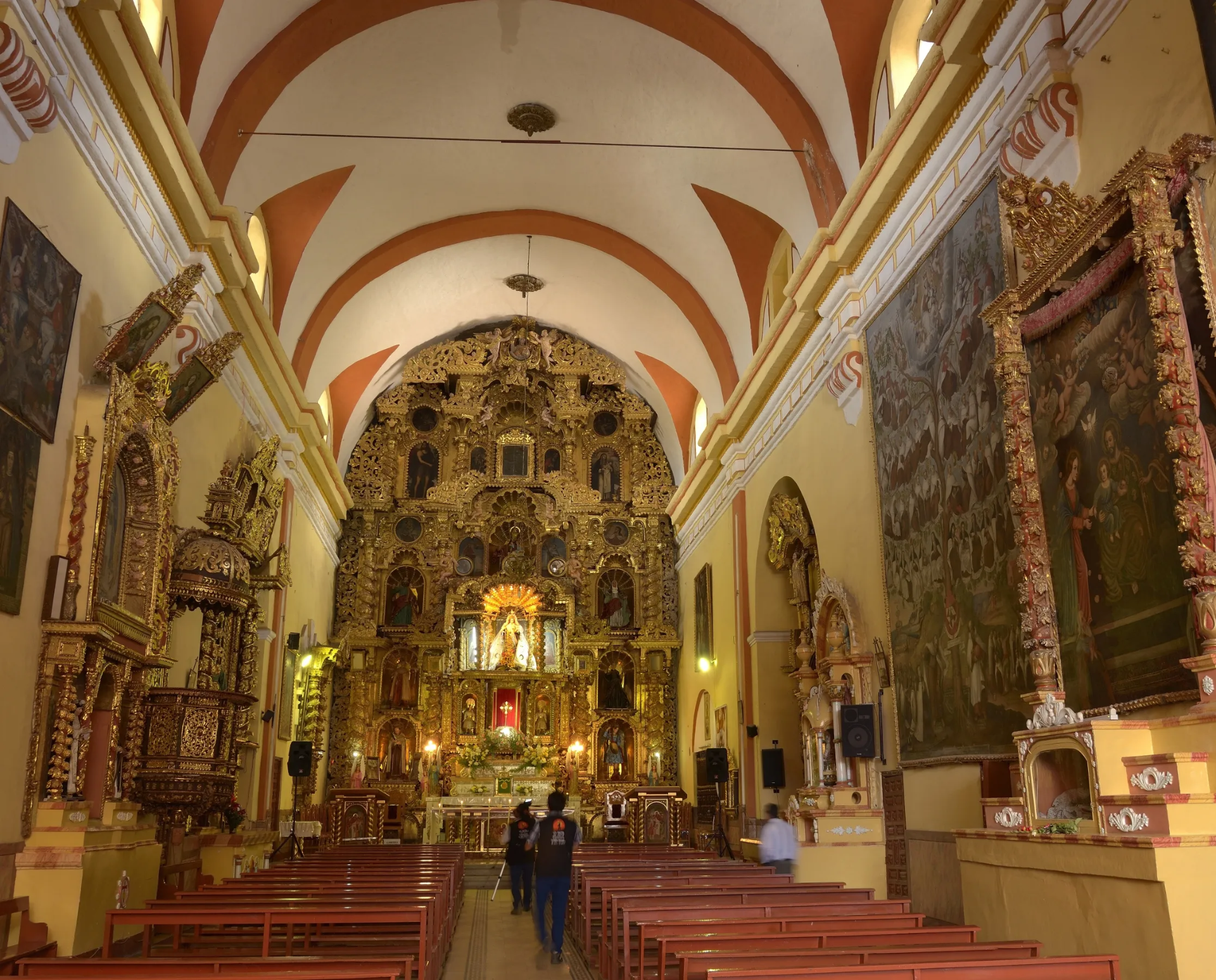
The Saint Teresa Temple and Convent is an important cultural and religious landmark in Ayacucho, founded in the 17th century by the Discalced Carmelite nuns. It is an impressive example of Ayacucho's viceregal architecture, known for its beautiful main altarpiece, its polychrome wood carvings, and its collection of viceregal art. It represents a vital part of the region's colonial history and religious life. You can find more details about its history on sites such as iPeru.org.
I suggest visiting during Ayacucho's dry season, from April to October, to enjoy more pleasant weather. As for the time of day, the early morning hours (after opening) or the afternoon are usually quieter, allowing for a more relaxed and less crowded experience. Avoid the middle of the day if you are looking for greater tranquility.
Given the architectural features of a colonial building, accessibility for people with reduced mobility may be limited. The main temple is usually more accessible, but some areas of the convent, such as the cloisters or upper floors, may have steps and narrow hallways. It is advisable to contact the convent directly to ask about the specific facilities available for wheelchair users or people with reduced mobility so you can plan your visit in the best possible way. Consider calling +5166312450.
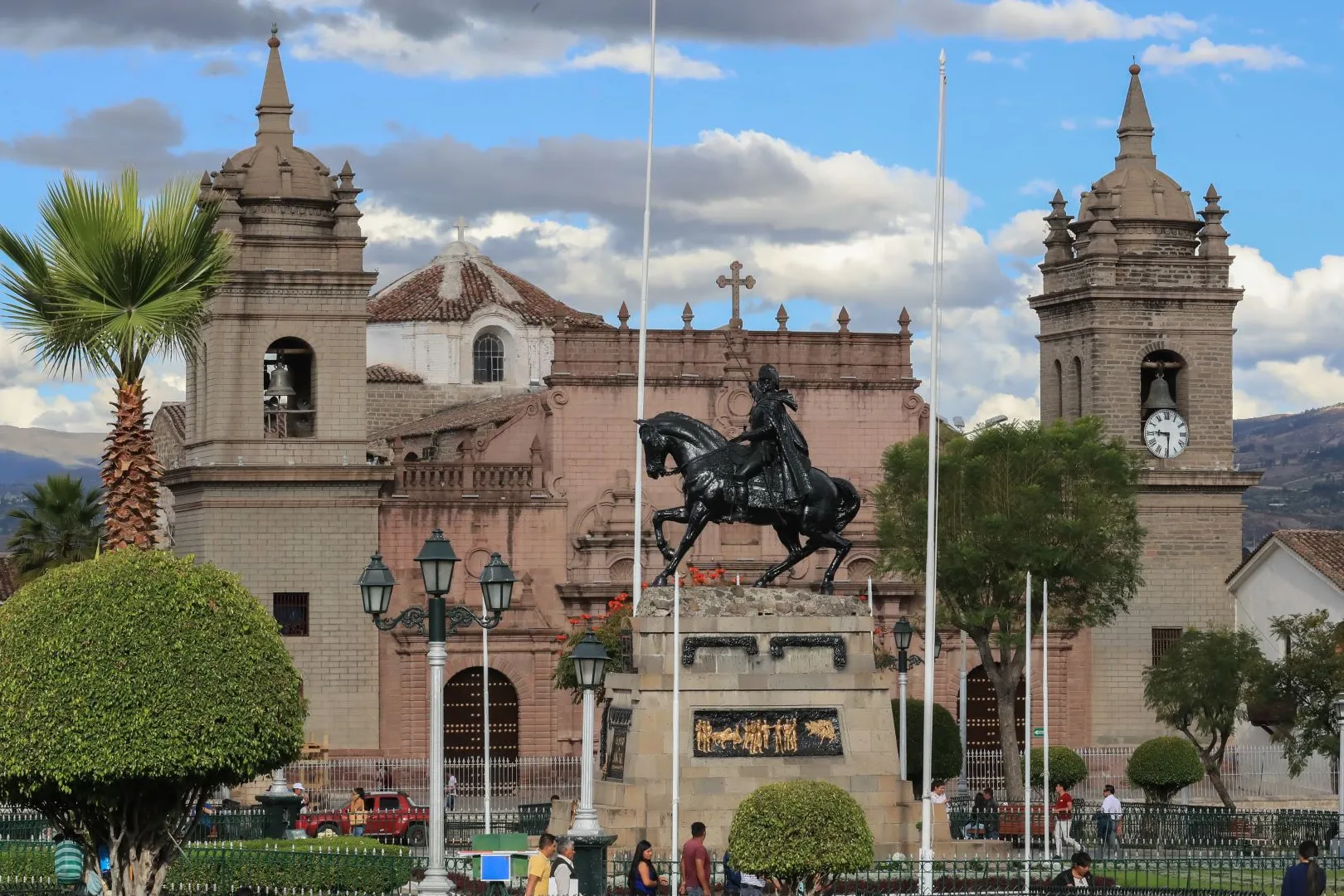
You will be right in the historic center, so there is plenty to see within walking distance. Very close by, you can visit Ayacucho Main Square, the Cathedral, and other colonial churches such as Santo Domingo or the Church of the Society of Jesus. I also recommend exploring the Joaquín López Antay Folk Art Museum and the Santa Ana neighborhood, known for its artisan workshops. You can check a map of attractions at Google Maps.
To make the most of your visit, wear comfortable walking shoes, dress respectfully (with shoulders and knees covered) since it is a religious site, and consider hiring a local guide to gain deeper insight into its history and art. If you are a photographer, ask whether photography is allowed inside, as it may be restricted in some places. Do not forget to visit the convent's sweets shop—they are famous!
¿Prefieres escuchar en español?
🇪🇸 Escucha la audioguía de Saint Teresa Temple and Convent en español