No te vayas sin conocer la historia Suscribete
IAudioGuia iaudioguia
Audio Guides of Bagua Grande

Audio Guide of Yumbilla Waterfall

La cascada que jugó al escondite con la humanidad hasta el siglo XXI

✓ What guidebooks don't tell you
✓ Secrets other tourists miss
✓ Listen while you explore
Discover everything
00:00
00:00

📖 Audio Guide Chapters

6 chapters

1. Nature’s best hiding place

🔒 Premium Content

Subscribe to access all chapters of this audio guide.

2. Tears of stone

🔒 Premium Content

Subscribe to access all chapters of this audio guide.

3. Wayanay, the ghost in love

🔒 Premium Content

Subscribe to access all chapters of this audio guide.

4. South America’s most controversial ranking

🔒 Premium Content

Subscribe to access all chapters of this audio guide.

5. The liquid diamonds nobody sees

🔒 Premium Content

Subscribe to access all chapters of this audio guide.

6. The great teacher of imperfect time

🔒 Premium Content

Subscribe to access all chapters of this audio guide.

❓ Frequently Asked Questions

What are the opening hours and how can I get to Yumbilla Waterfall from Bagua Grande?

The waterfall is open all day year-round, but it is best to visit early in the morning to avoid the heat and enjoy better light. From Bagua Grande, take a shared taxi to Cuispes or the Yumbilla area (around 1 hour), then hike along a trail of about 5–7 km, which takes 1.5–2 hours each way. More details at Peru Travel.

How much is the entrance fee to Yumbilla Waterfall? Is it free?

The entrance fee is approximately S/ 5 per person, paid to the local community for trail maintenance. Children and local guides often receive discounts or free entry. Check updated prices on the official website of the Municipality of Utcubamba.

How much time is needed to visit Yumbilla Waterfall?

A full visit, including the round-trip hike and time to enjoy the view, takes between 4 and 6 hours. If you go with a guide, you can extend it to a full-day outing with stops. Bring a watch so you can plan your return before sunset.

What is the history or cultural importance of Yumbilla Waterfall?

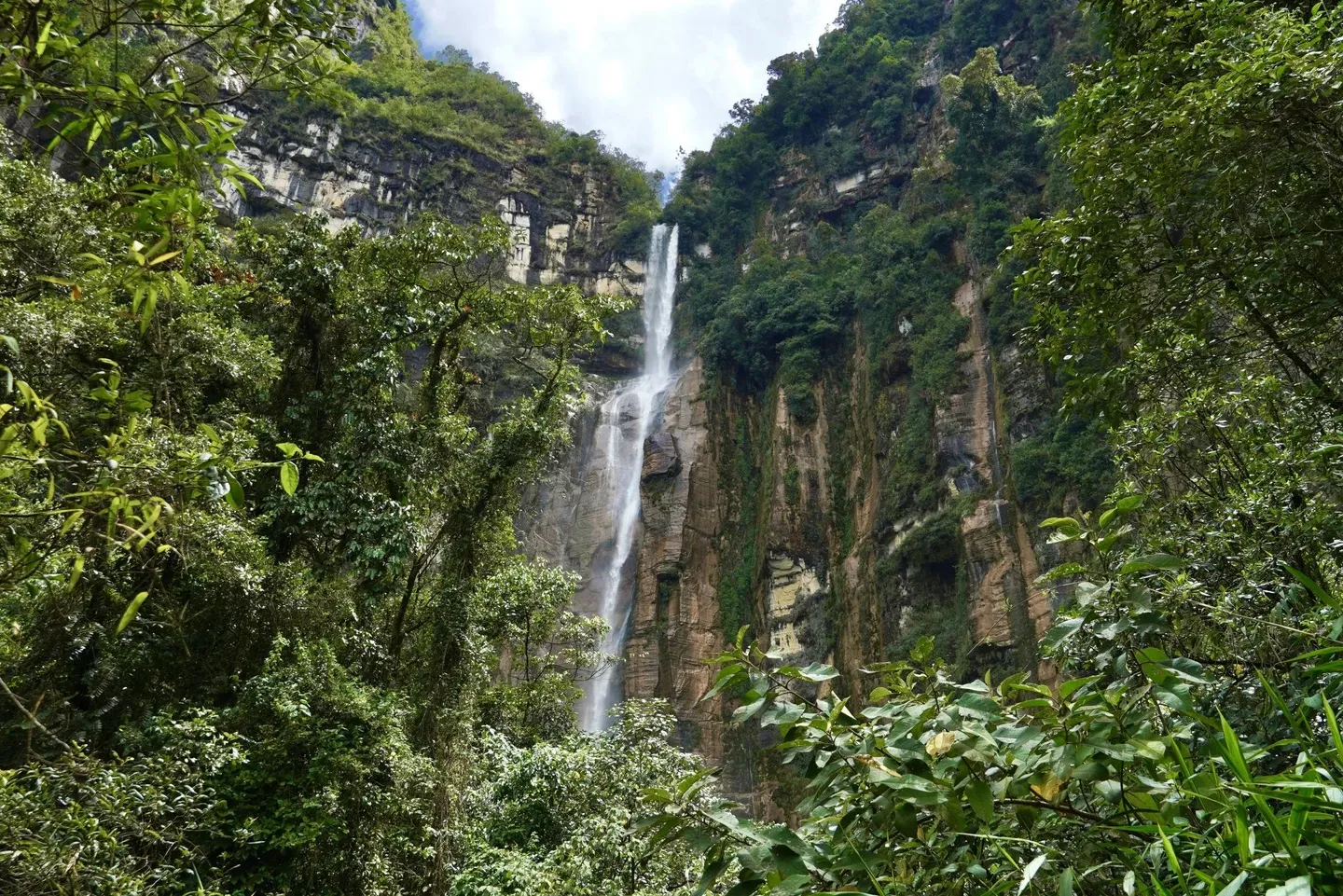
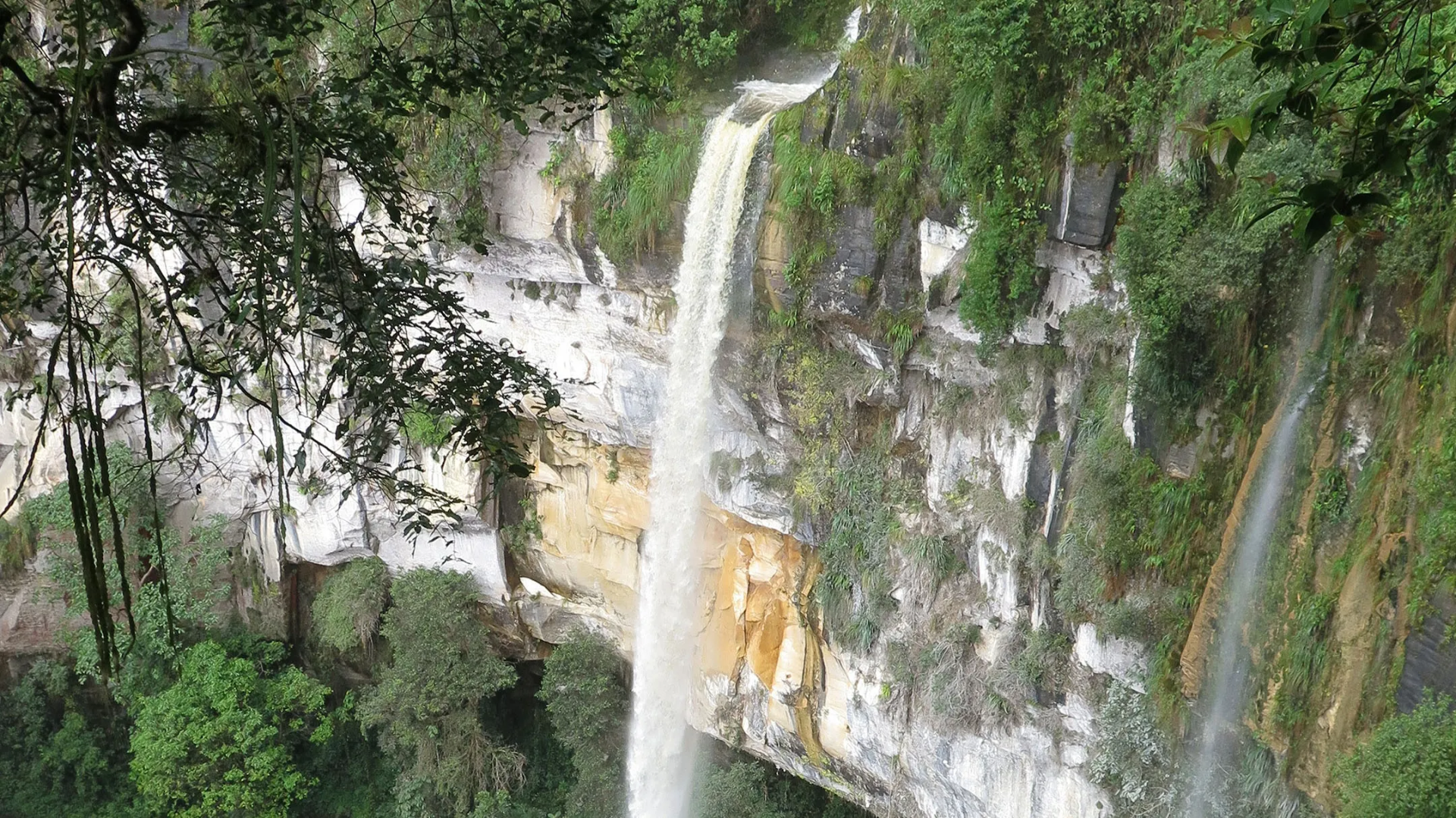
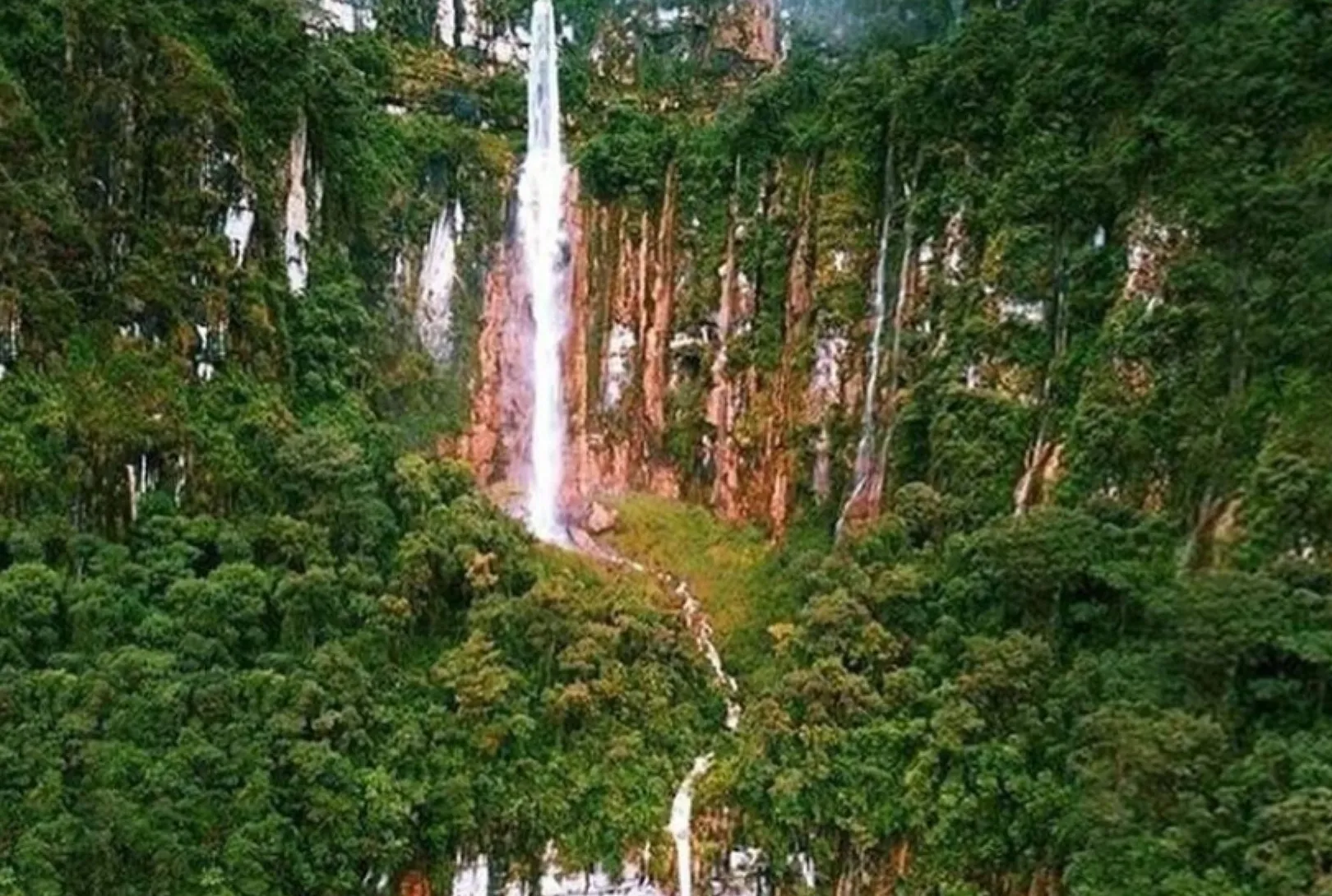
Discovered in 2007, it is considered the tallest waterfall in Peru at 896 meters over four drops, surpassing the famous Gocta in total height. It holds great meaning for the Awajún and Wampis communities, who see it as a sacred place of spiritual connection with nature.

What is the best time of year or day to visit Yumbilla Waterfall?

The best time is the dry season from May to October, when the trail is dry and the waterfall flows strongly. Go early in the morning (7–9 am) to avoid crowds and intense heat. Avoid the rainy season (December–March) because of landslides.

Is Yumbilla Waterfall accessible for people with reduced mobility?

No, it is not accessible for wheelchairs or people with reduced mobility, as access requires a steep and slippery 5–7 km trail with stairs and slopes. It is recommended only for those in good physical condition; consider nearby viewpoints as alternatives.

What other attractions are near Yumbilla Waterfall?

Nearby you can find Gocta Waterfall, the Revash mausoleum ruins, and the Tingcul stone forest. Bagua Grande offers local markets and lodging options. Explore more at DePerú.

What practical tips can you give me to make the most of my visit to Yumbilla Waterfall?

Bring trekking shoes, plenty of water, insect repellent, sunscreen, and snacks; the trail is demanding. Hire a local guide for safety (S/20–30) and go in a group. Contact the community in Cuispes at +51 41 620 XXX for updated information.

¿Prefieres escuchar en español?

🇪🇸 Escucha la audioguía de Yumbilla Waterfall en español