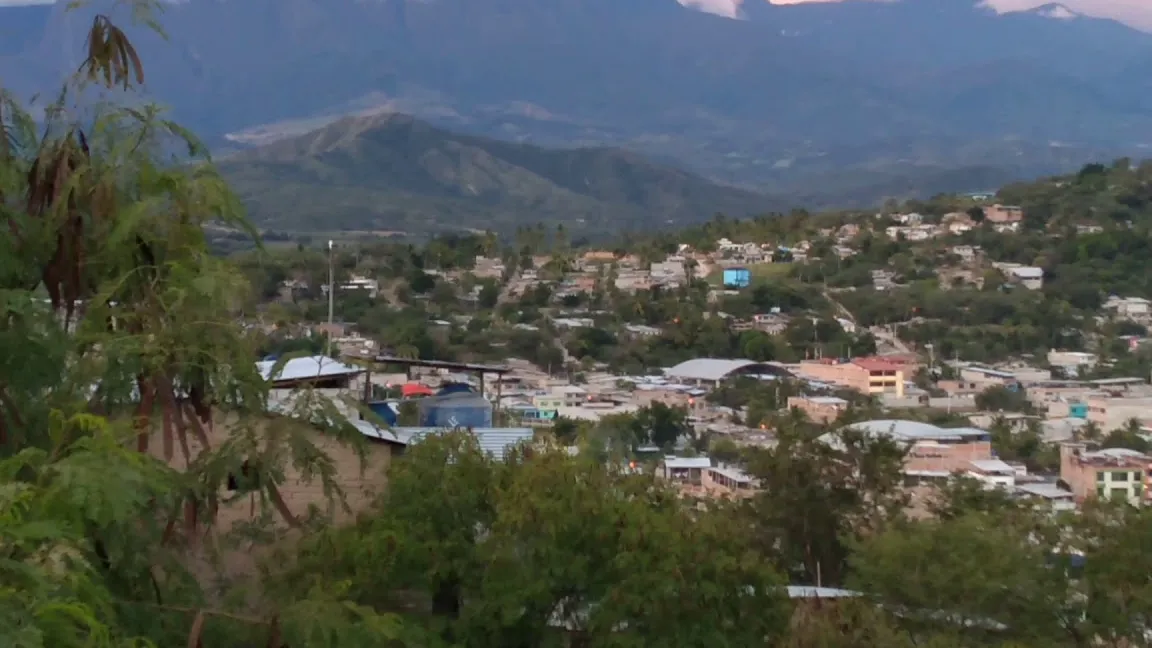
¿Sabías que desde este mirador el valle del Utcubamba susurra historias de arroz, awajunes y batallas olvidadas? Ven, te cuento lo que no sale en las guías.
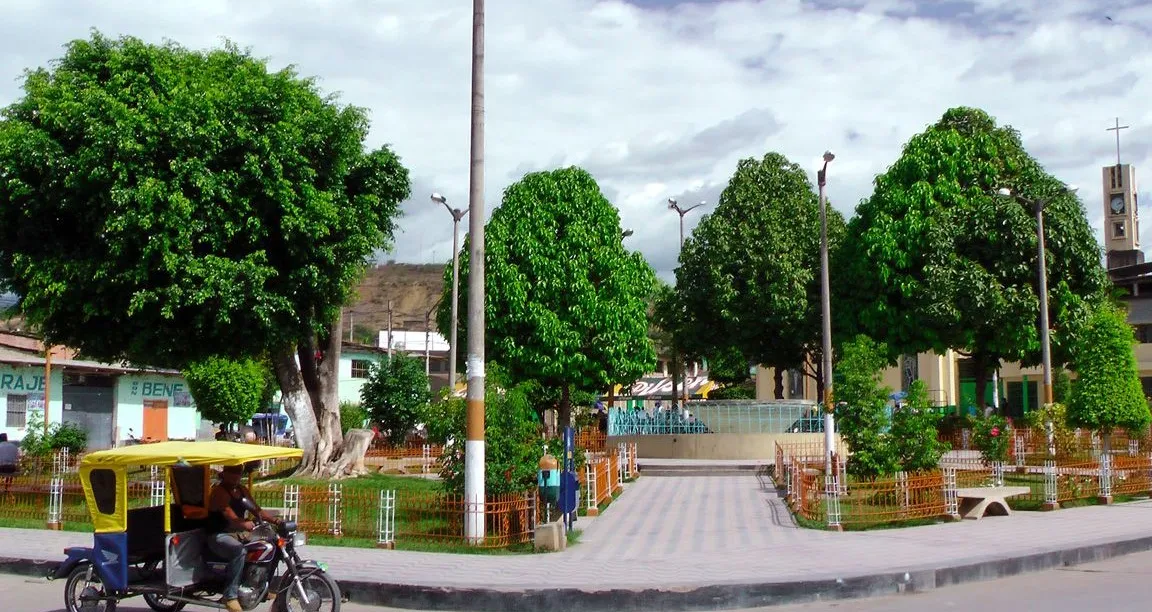
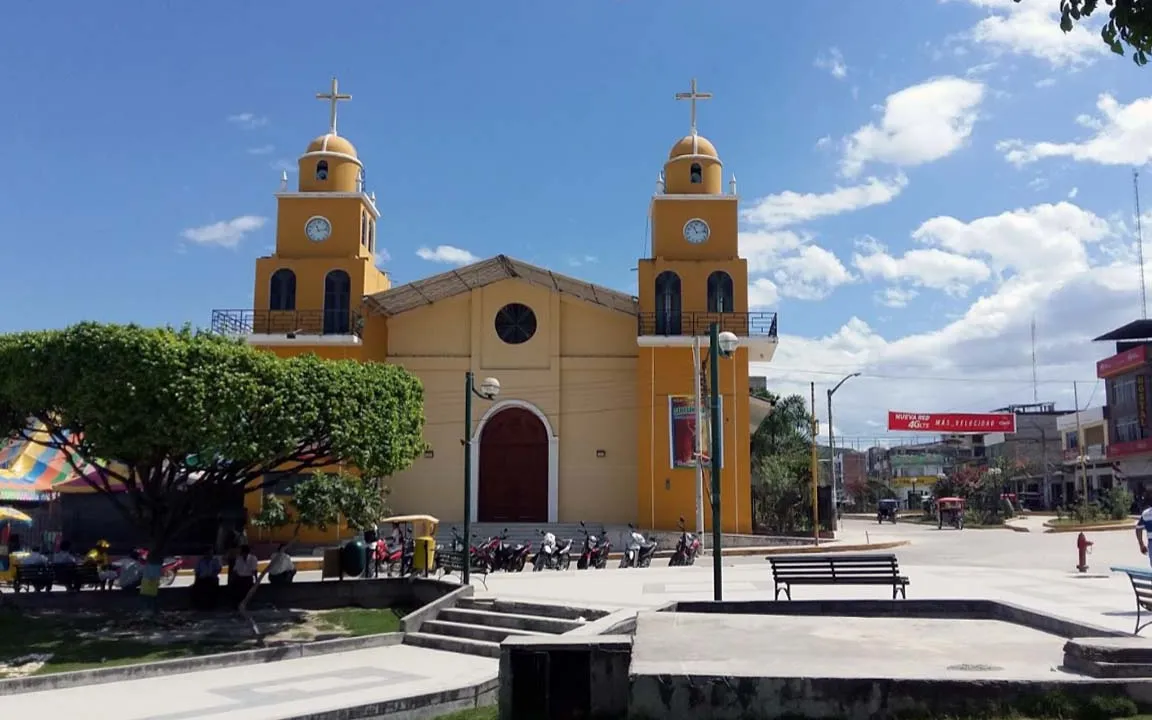
Bagua Grande, as a city or region, does not have an 'opening' time as such, since it is a place to explore. However, if you mean a specific attraction within Bagua Grande, I would recommend checking directly with the local authority or tourism office for visiting hours. In general, you can reach Bagua Grande by bus from cities such as Chachapoyas or Tarapoto. Once there, you can get around by motorcycle taxi or taxi to explore the area. For more information on routes, I recommend checking platforms such as RedBus Peru.
Exploring the city of Bagua Grande and its general surroundings is free. However, some specific attractions, such as nearby archaeological sites, waterfalls, or museums, may charge an entrance fee. I advise researching which places interest you and checking their prices in advance, as information may vary. In general, the costs are quite affordable.
To get a good first impression and explore some of its main attractions, I would recommend spending at least 2 to 3 days in Bagua Grande. This will allow you to visit local markets, try the cuisine, and perhaps take an excursion to a nearby natural or cultural point of interest without rushing. If you want to explore the surrounding area in greater depth, you could extend your stay to 4 or 5 days.
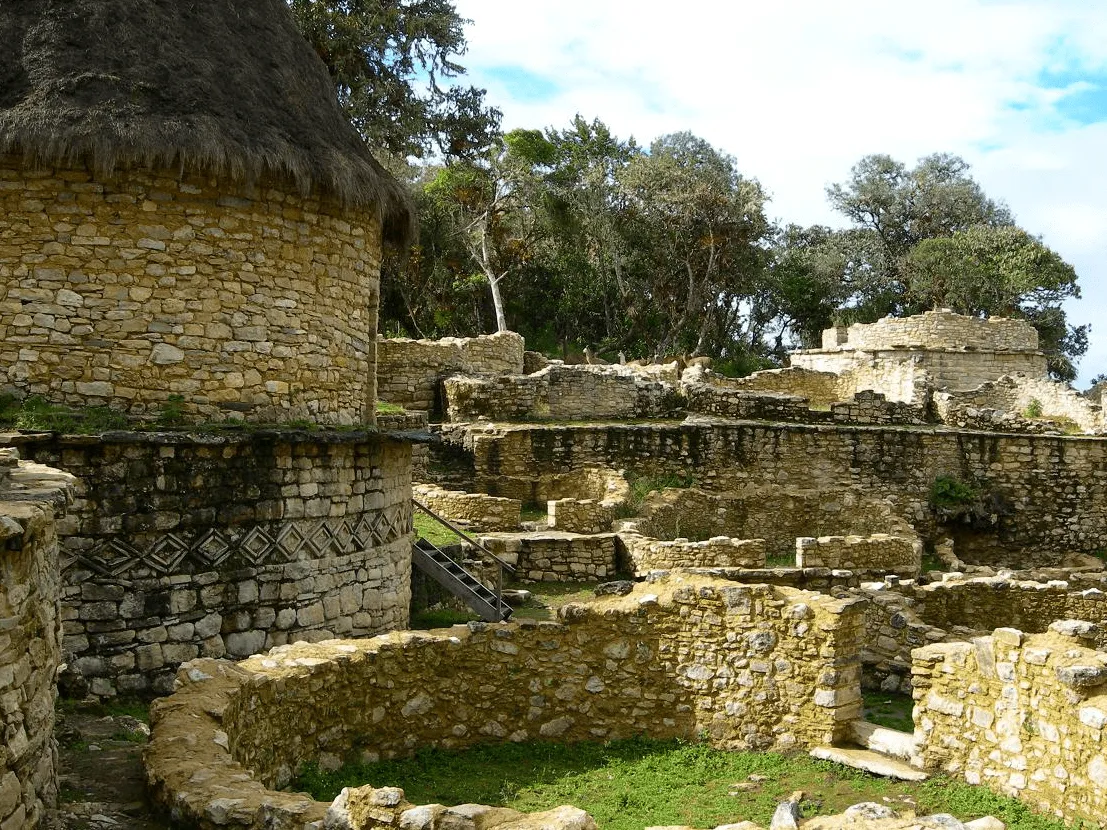
Bagua Grande, located in the Amazonas region, is known for its agricultural importance and for being a gateway to the Amazon rainforest. Its history is linked to pre-Columbian cultures, and archaeological remains have been found in the surrounding area that testify to a rich Indigenous presence. Culturally, it is a crossroads of Andean and Amazonian traditions, reflected in its cuisine, music, and local festivities.
The best time to visit Bagua Grande is usually during the dry season, which runs from May to October. During these months, the weather is more stable, with less rain, making travel and exploration of natural attractions easier. Avoiding the rainy season, from November to April, will help you enjoy a more comfortable and uninterrupted experience.
While the city center of Bagua Grande is relatively flat and easy to get around, many of the natural attractions or rural sites in the surrounding area may present challenges for people with reduced mobility due to uneven terrain or a lack of ramps. It is advisable to check directly with local tour operators or the specific places you wish to visit for detailed accessibility information. More modern accommodations may offer better facilities.
Near Bagua Grande, you have several options. You can explore the Alto Mayo Protection Forest, ideal for birdwatching and connecting with nature. There is also Gocta Falls; although a bit farther away, it is a popular excursion from the Amazonas region. Other points of interest may include small communities known for coffee or cocoa production. To plan your excursions more effectively, you can look for information on sites such as So, what are your plans?.
Of course! For your first visit to Bagua Grande, I advise bringing insect repellent, sunscreen, and light clothing, but also a raincoat, since the jungle climate can be unpredictable. Try the local cuisine, especially dishes made with plantains and river fish. Always carry cash, as not all establishments accept cards. And of course, do not forget a camera to capture the beautiful landscapes! Be encouraged to speak with the locals; they are very friendly and will give you the best recommendations.
¿Prefieres escuchar en español?
🇪🇸 Escucha la audioguía de Bagua Grande en español