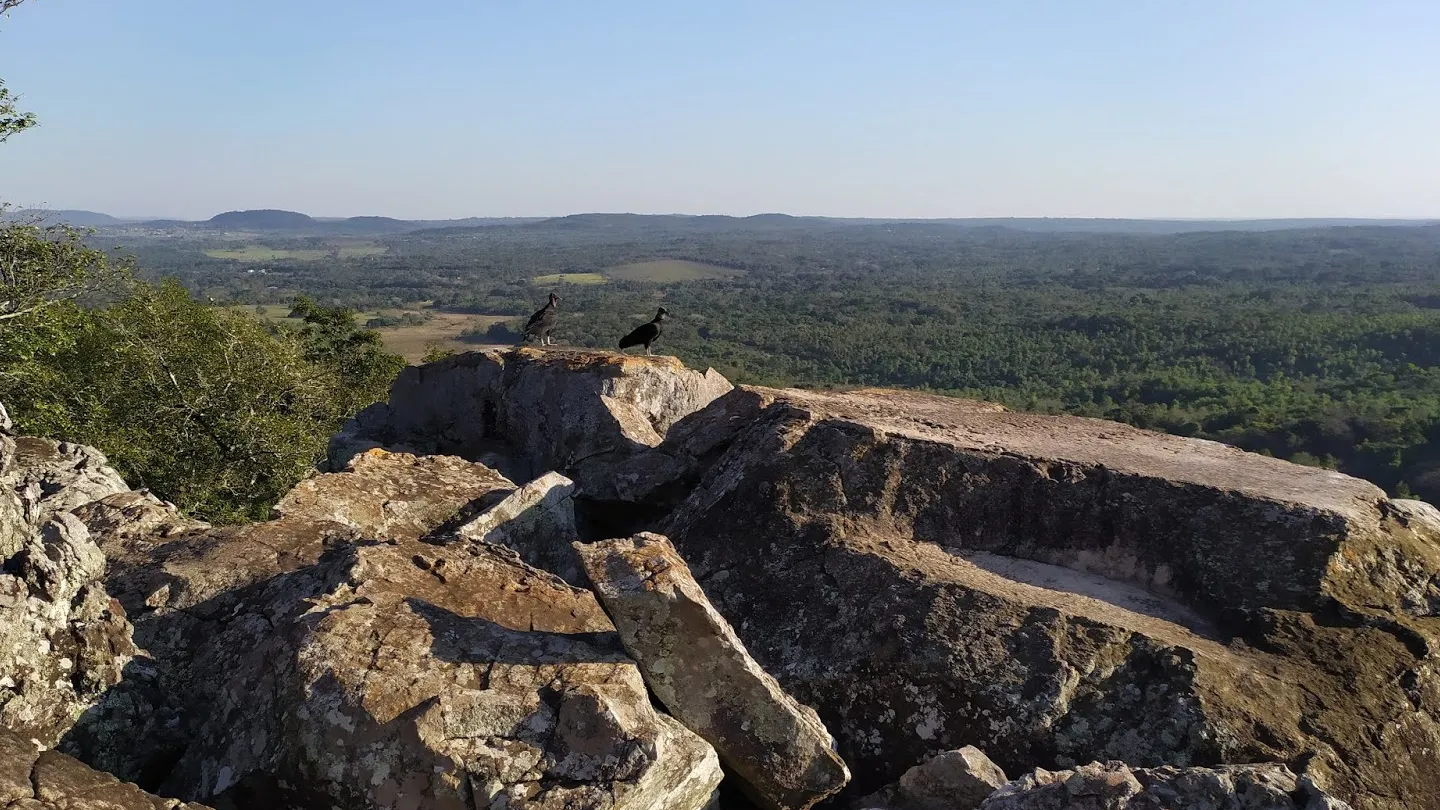
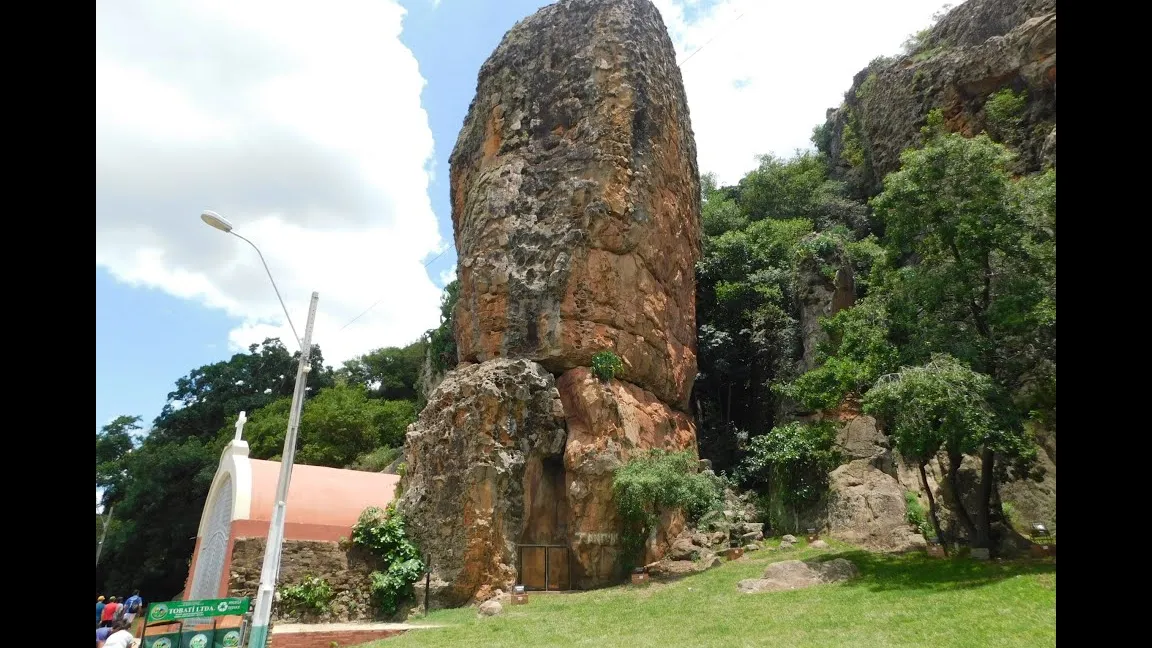
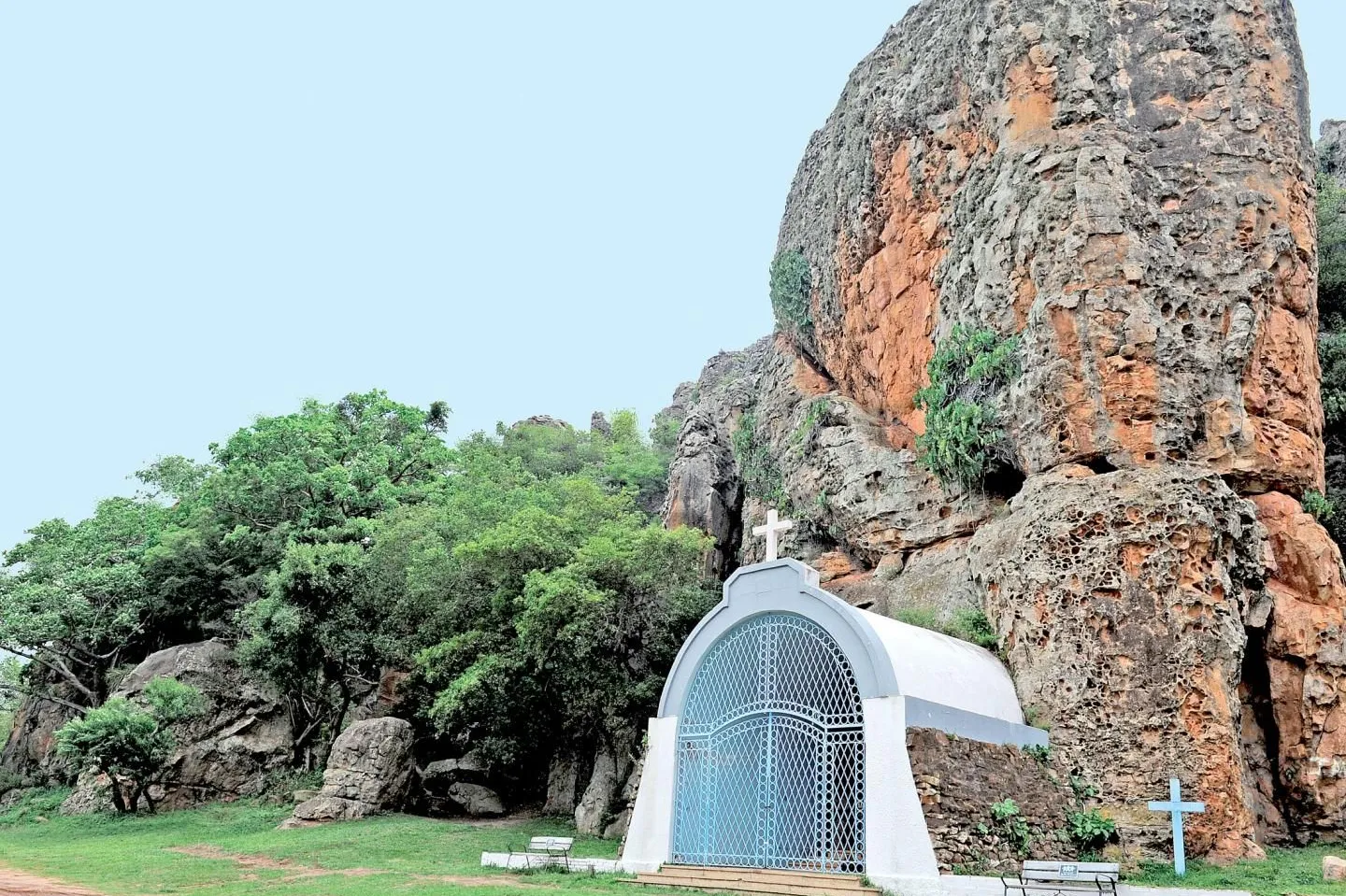
A fascinating natural shelter in Tobatí, home to unique rock formations and a past filled with legends.
Yes, absolutely! Cueva del Indio is usually open from 8:00 a.m. to 5:00 p.m., but I strongly recommend checking the exact hours and whether you need to schedule your visit, especially if you are traveling in a group or during peak season. You can contact the National Secretariat of Tourism (SENATUR) or the municipality of Tobatí for this information. They usually have the most up-to-date details.
Generally, access to Cueva del Indio does not have a fixed entrance fee, but it is common to find local guides offering tours who appreciate a tip. It is always a good idea to bring some cash for these situations and to support the local community.
To fully enjoy Cueva del Indio, including the walk and exploration of the rock art, I suggest setting aside at least 1 to 2 hours. If you enjoy taking photographs or simply admiring the surroundings, you may want to stay a bit longer.
Cueva del Indio is a site of great value because it preserves important remains of ancestral rock art, with engravings and paintings dating back to pre-Columbian times. It offers a fascinating window into the lives and beliefs of the region’s ancient Indigenous communities and stands as a living testimony to their cultural and historical legacy.
The best time to visit is usually during the Paraguayan winter months, from May to September, when temperatures are more pleasant and humidity is lower. As for the time of day, early morning or late afternoon are ideal to avoid the strongest heat and enjoy softer light for photographs.
Due to its geological nature and natural surroundings, access to Cueva del Indio may be challenging for people with reduced mobility or wheelchairs, as it involves uneven paths and possible steps. I recommend contacting local administrators or tour guides for detailed information about the specific accessibility of the trail and cave areas.
Absolutely! Tobatí is known for its ceramic craftsmanship, so do not miss the chance to visit local pottery workshops. You can also explore the Sanctuary of the Virgin of Tobatí, an important religious site. And if you love nature, the surrounding area offers interesting landscapes and trails. For more information, you can visit the SENATUR website.
To make the most of your visit, I suggest bringing comfortable walking shoes, insect repellent, sunscreen, and a bottle of water. If conditions allow, a small flashlight can be useful for appreciating the details of the rock art more clearly. And do not forget your camera to capture the beauty of the place!
¿Prefieres escuchar en español?
🇪🇸 Escucha la audioguía de Cueva del Indio en español