No te vayas sin conocer la historia Suscribete
IAudioGuia iaudioguia
Audio Guides of Caacupe

Audio Guide of the Diocesan Historical Museum

¿Sabías que una imagen tallada por un indígena huyendo de jaguares salvó vidas y conquistó corazones en Paraguay?

✓ What guidebooks don't tell you
✓ Secrets other tourists miss
✓ Listen while you explore
Discover everything
00:00
00:00

📖 Audio Guide Chapters

6 chapters

1. The Jaguar That Whispered a Miracle

🔒 Premium Content

Subscribe to access all chapters of this audio guide.

2. Walls That Keep Confessions

🔒 Premium Content

Subscribe to access all chapters of this audio guide.

3. Forbidden Loves and Bishops' Tears

🔒 Premium Content

Subscribe to access all chapters of this audio guide.

4. The Absurd Side of Holiness

🔒 Premium Content

Subscribe to access all chapters of this audio guide.

5. Detective's Eyes in the Shadows

🔒 Premium Content

Subscribe to access all chapters of this audio guide.

6. The Echo You Carry in Your Chest

🔒 Premium Content

Subscribe to access all chapters of this audio guide.

❓ Frequently Asked Questions

When can I visit the Historical and Diocesan Museum of Caacupé? Is there any day of the week when it is closed?

Of course! The Historical and Diocesan Museum of Caacupé is open to the public Monday through Friday, from 8:30 AM to 4:00 PM, and on Saturdays from 8:30 AM to 12:00 PM. I recommend checking for possible closures on holidays or special events on its official website or by calling the museum.

Do you have to pay to enter the museum? How much does admission cost?

The good news is that admission to the Historical and Diocesan Museum of Caacupé is completely free. This makes it very accessible to all visitors interested in exploring its valuable collection.

How much time should I set aside for my visit so I can see everything without rushing?

To fully enjoy the exhibition and take in all the history and details, I suggest setting aside between 1 and 1.5 hours for your visit. That way you'll have enough time to walk through its rooms and admire the pieces at a leisurely pace.

What makes this museum so important? What is its main historical or cultural focus?

The importance of the Historical and Diocesan Museum of Caacupé lies in its valuable collection of sacred art and historical objects related to the diocese and the Caacupé region, including pieces from the 16th, 17th, and 18th centuries. Its main focus is to preserve and share the cultural and religious heritage of the area, especially everything connected to the devotion to the Virgin of Caacupé.

What is the best time of year or time of day to visit and avoid crowds?

For a quieter experience, I recommend visiting during weekday mornings, outside major religious festivities such as the Great Pilgrimage to Caacupé in December. The weather in Paraguay can be hot, so mornings are usually more pleasant.

Is the museum accessible for wheelchairs or people with reduced mobility?

The museum is housed in a historic building, and although they strive to be as accessible as possible, accessibility may be limited. We suggest contacting the museum directly by calling the Diocese of Caacupé at +595 511246 for detailed information about facilities for people with reduced mobility.

What other tourist attractions near the museum are worth visiting on the same day?

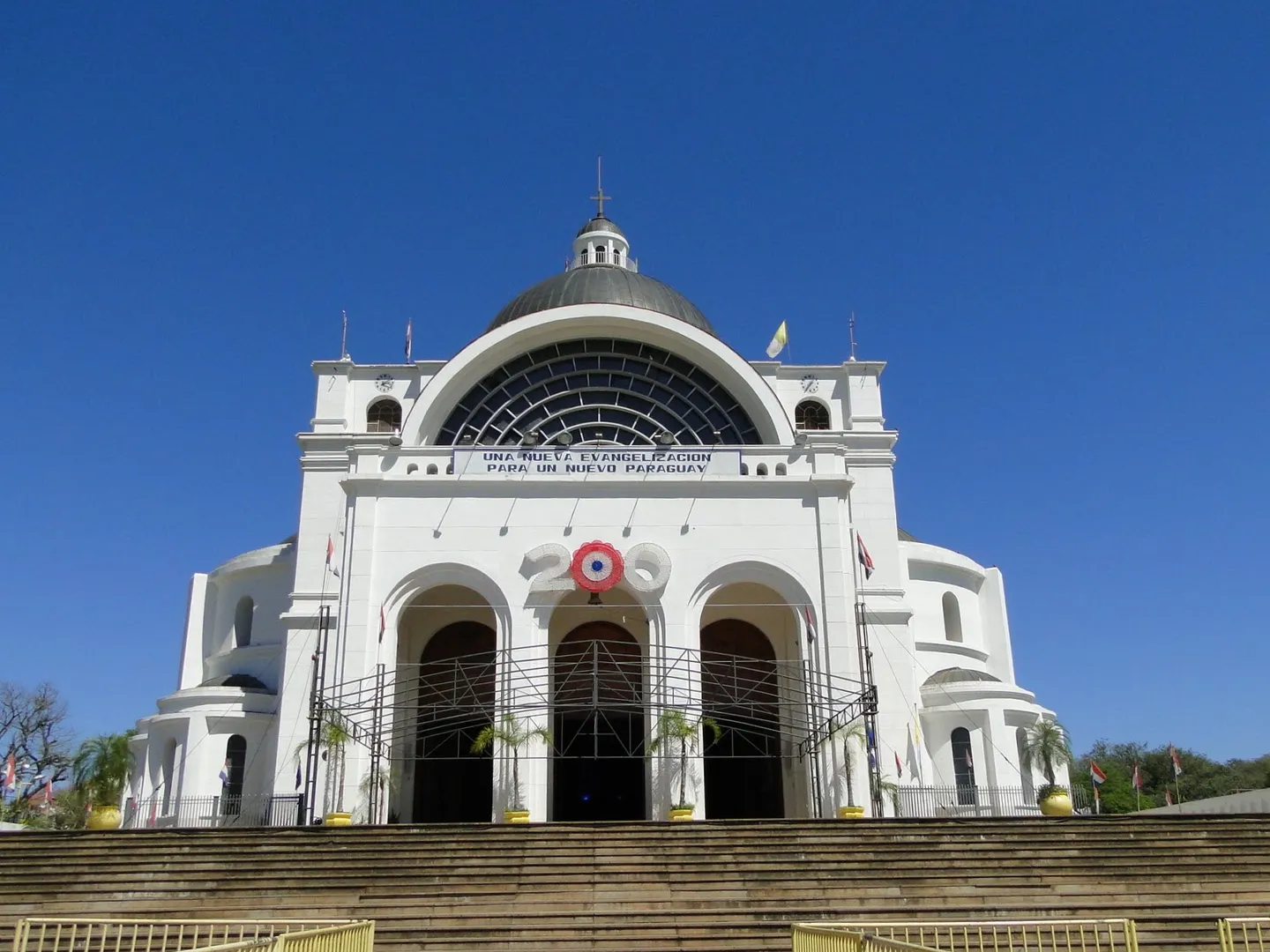
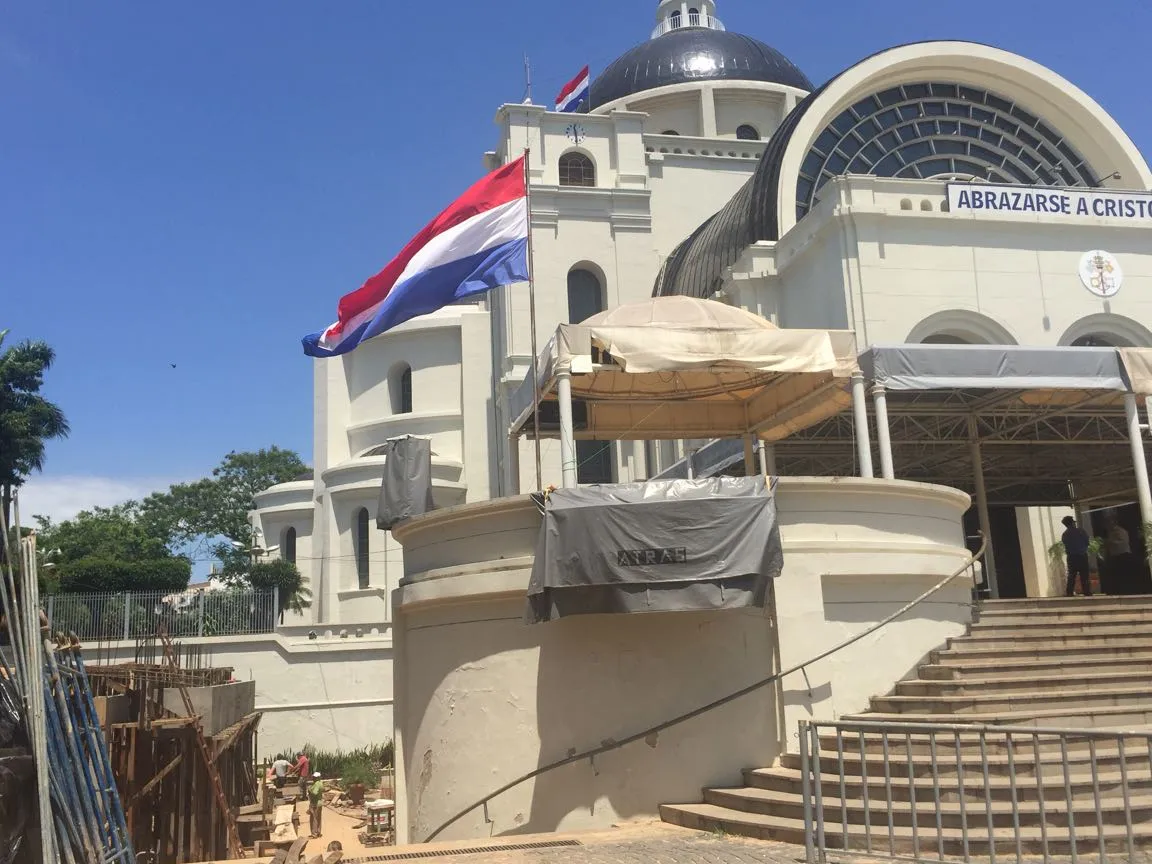
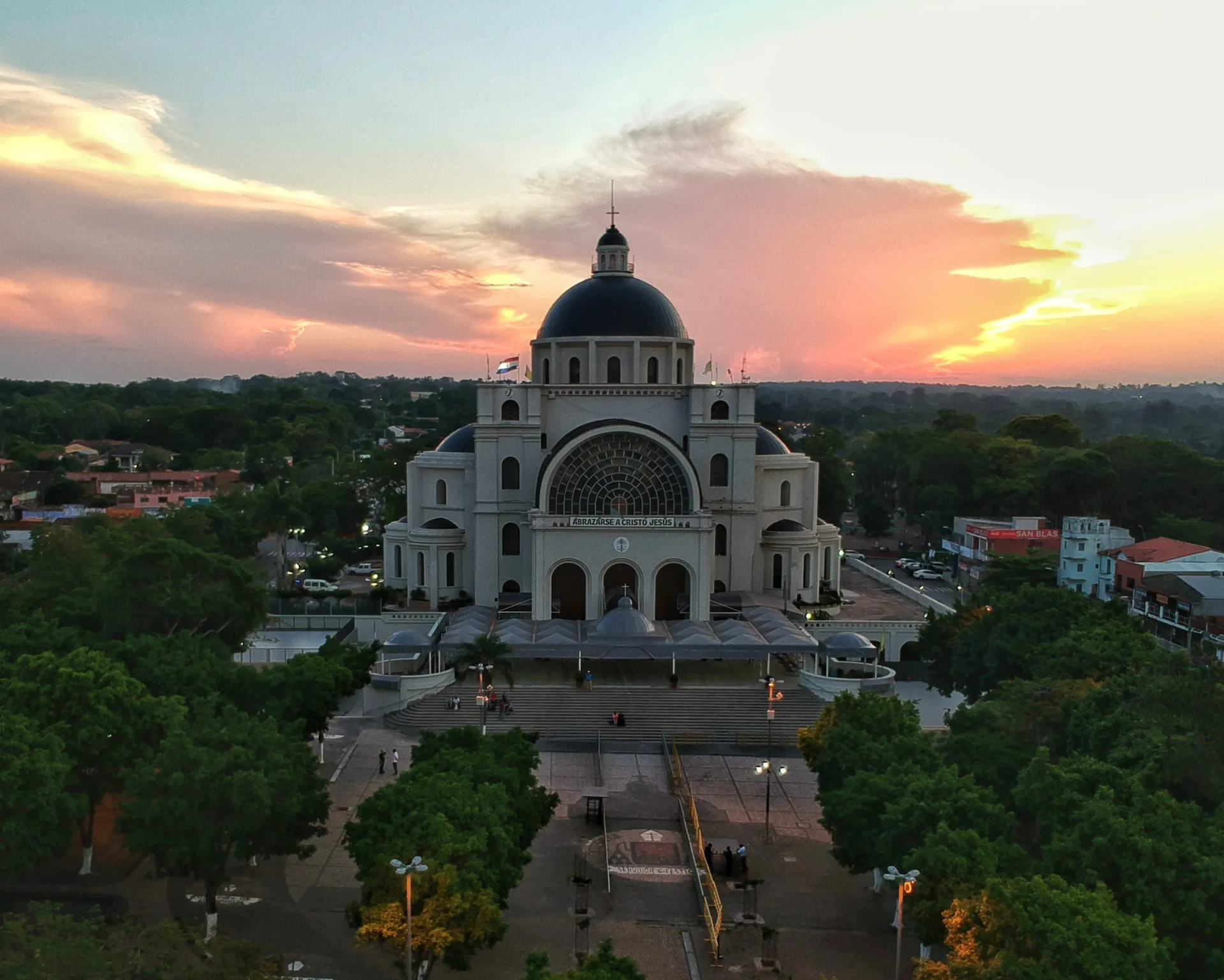
Caacupé has plenty to offer beyond the museum! Don't miss the majestic Basilica Sanctuary of Our Lady of Miracles of Caacupé, which is very close by. You can also explore the city center and its local shops, or even visit Lake Ypacaraí if you have time, as it's not far away.

Any practical tips for getting the most out of my visit to the museum?

For a complete experience, consider getting an audio guide or joining a guided tour if available (ask at the reception). Make sure to bring your camera (permission for non-flash photos is usually granted) and comfortable shoes. And don't forget to bring a bottle of water, especially during the warmer months!

¿Prefieres escuchar en español?

🇪🇸 Escucha la audioguía de the Diocesan Historical Museum en español