¿Sabías que esta playa tranquila de pescadores se convirtió en la envidia de los surfistas del mundo gracias a un descubrimiento accidental?
Santa Catalina Beach is a public beach, so it is open 24 hours a day, 7 days a week, with no time restrictions. To get there, you can fly into Tocumen International Airport in Panama City, and from there take a bus or a taxi. The journey takes approximately 5 hours. There are also private transport options that you can arrange through your accommodation.
No! Access to Santa Catalina Beach is completely free. You can enjoy its sands and waters at no cost. Keep in mind, however, that activities such as surfing, diving, or excursions to nearby islands have their own fees through local operators such as Panama Surf Guide.
To fully enjoy Santa Catalina Beach and its surroundings, I recommend spending at least 2 to 3 days. This will allow you not only to relax on the beach, but also to take part in activities such as surfing, explore nearby islands such as Coiba Island, or simply enjoy the local atmosphere and cuisine.
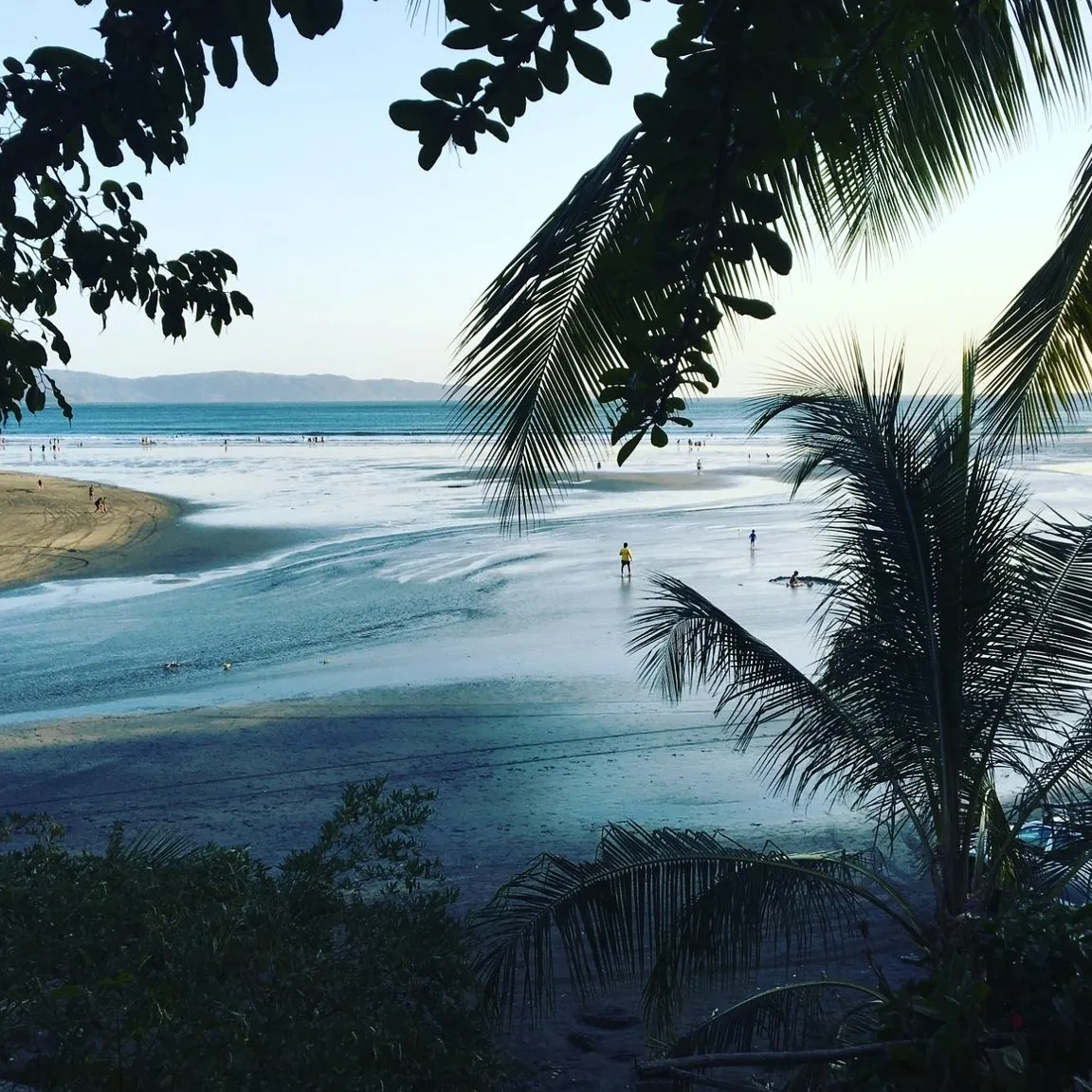
Santa Catalina Beach is special for several reasons. Historically, it was an isolated fishing village, and today it is world-famous for its world-class surf waves, which gave it a new lease on life. Its cultural significance lies in the authenticity of its local community and its role as a gateway to Coiba National Park, a UNESCO World Heritage Site known for its incredible marine biodiversity. It is a place where local tradition blends with ecotourism.
The best time to visit Santa Catalina is during the dry season, from December to April, when the weather is sunny and the sea is calmer, ideal for diving and snorkeling. For surfing, the waves are excellent almost all year, but the rainy season from May to November often brings the biggest swells. To enjoy the beach, early mornings or the late afternoon offer more pleasant temperatures and fewer crowds.
Unfortunately, like many natural beaches, Santa Catalina Beach presents accessibility challenges for people with reduced mobility. Access to the sand and the general terrain does not include ramps or specific infrastructure. We recommend contacting your local accommodation to ask about possible adaptations or available assistance services.
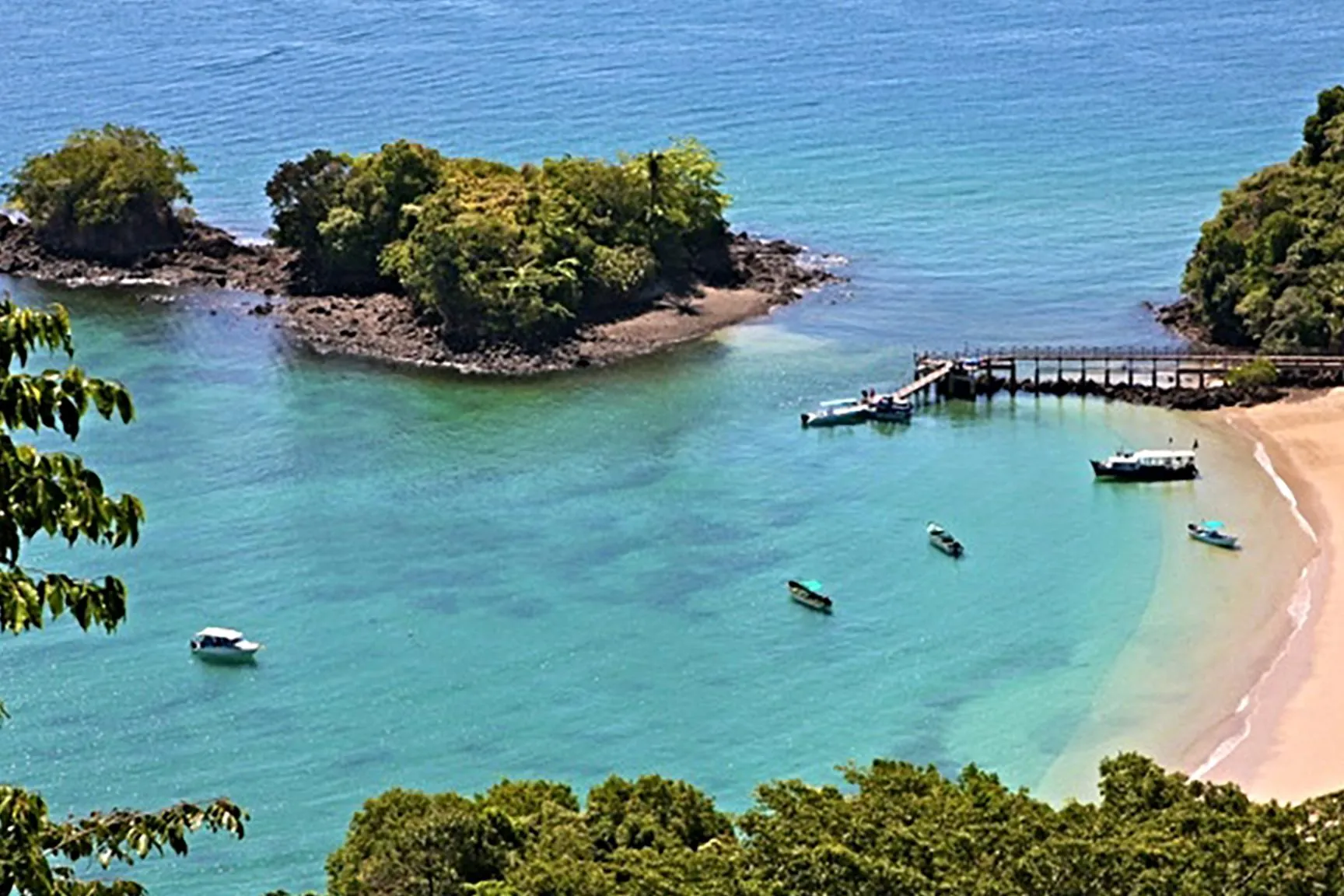
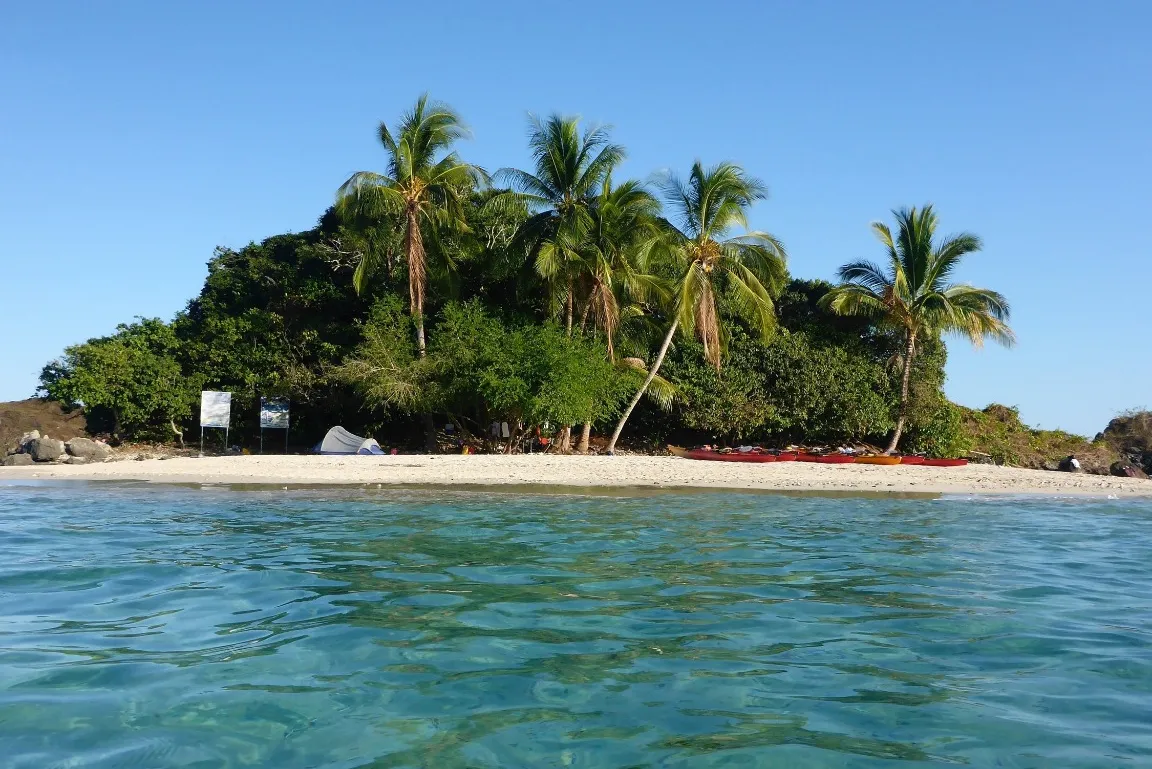
There is plenty to see nearby! The main attraction is excursions to Coiba National Park, a UNESCO World Heritage Site that is ideal for diving and snorkeling. You can also visit Cébaco Island for a more untouched experience or explore nearby mangroves and rivers by kayak. The nearby town of Soná offers a glimpse into local Panamanian life.
Absolutely! I recommend bringing sunscreen, insect repellent, and comfortable footwear for exploring. If you plan to surf or dive, consider booking your activities in advance, especially in high season. Do not forget to try the delicious local cuisine and, very importantly, carry enough cash, as not all establishments accept credit cards and ATMs are scarce. And get ready to disconnect and enjoy nature!
¿Prefieres escuchar en español?
🇪🇸 Escucha la audioguía de Santa Catalina Beach en español