¿Sabías que aquí vivieron humanos hace 11.000 años, dejando petroglifos que susurran secretos de un mundo perdido?
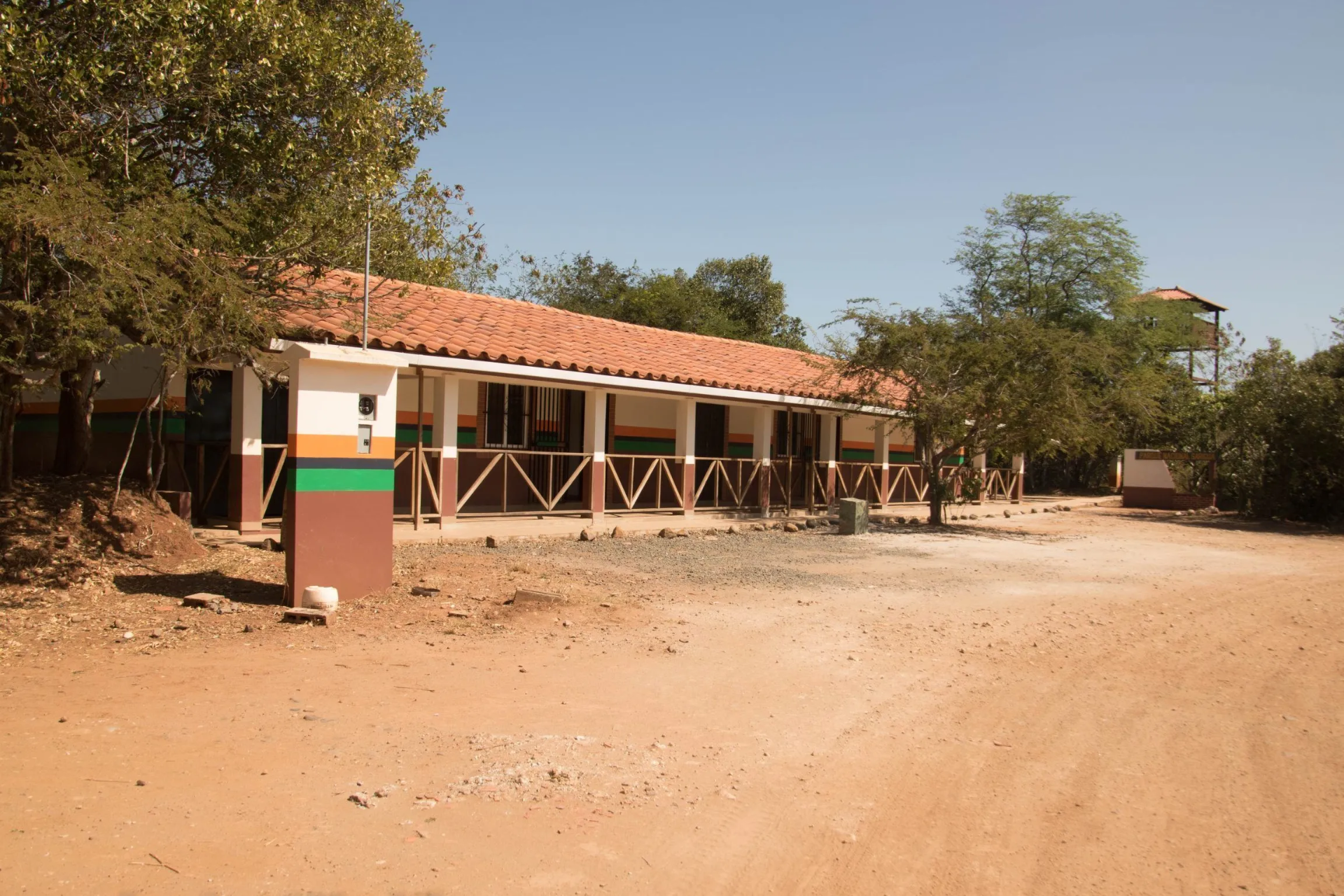
Sarigua National Park is open to the public from 8:00 AM to 4:00 PM, although we recommend confirming before your visit since hours may vary. It is located in Herrera Province, near Parita. The most common way to get there is by private vehicle or taxi from Santiago or Chitré. I suggest checking directions on Google Maps for the most accurate route.
Yes, Sarigua National Park has an entrance fee for visitors. It is usually cheaper for Panamanian citizens than for foreigners, although prices may change. I recommend contacting the National Environmental Authority office in Herrera directly to confirm current rates at (507) 991-9121, or checking their official website if they provide public information.
For a complete experience at Sarigua National Park and to appreciate its unique landscapes, I suggest setting aside 2 to 3 hours. This will give you time to explore the main areas, take photographs, and perhaps go on a short walk. If you are enthusiastic about photography or birdwatching, you may want to extend your visit a little longer.
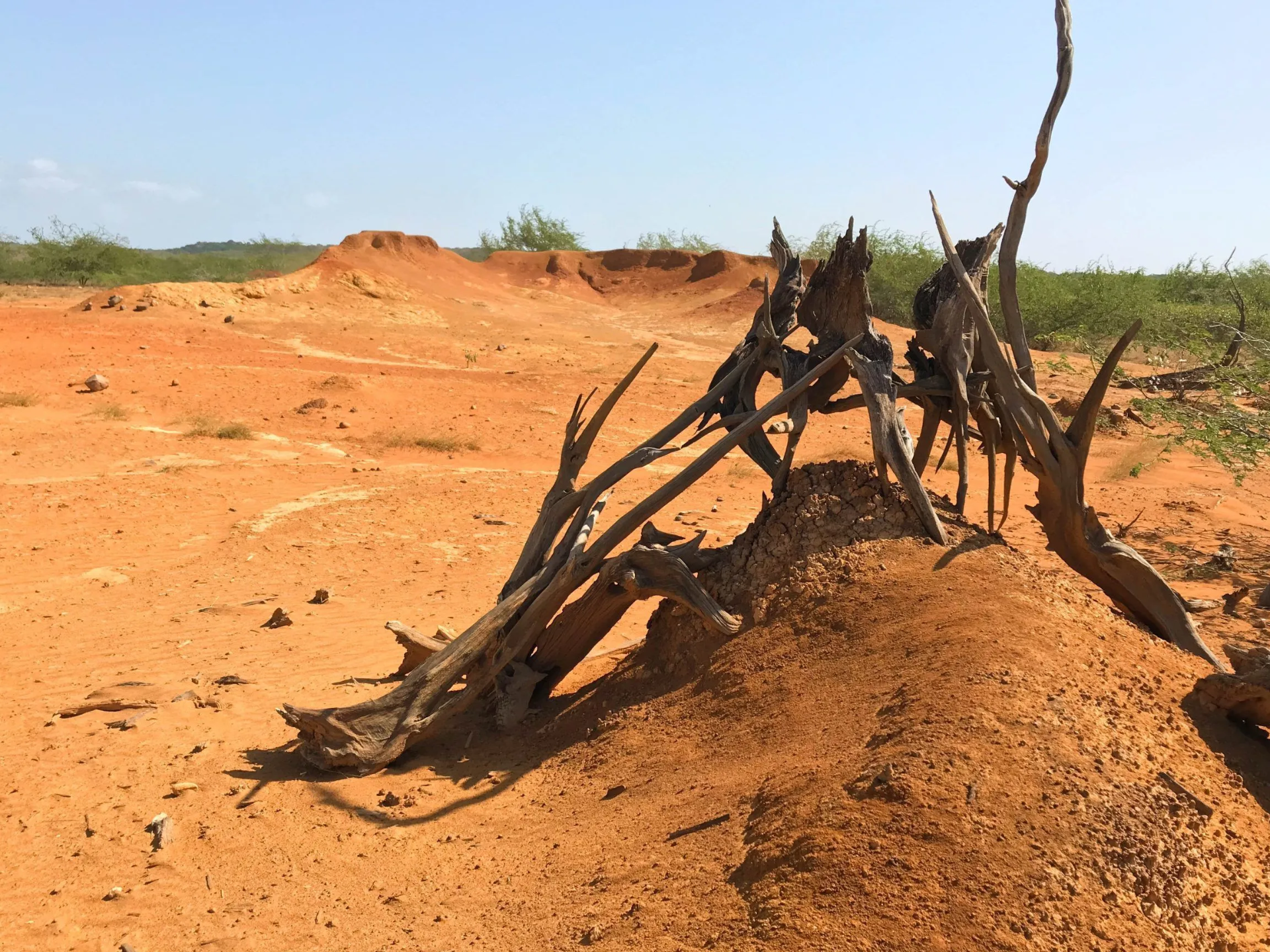
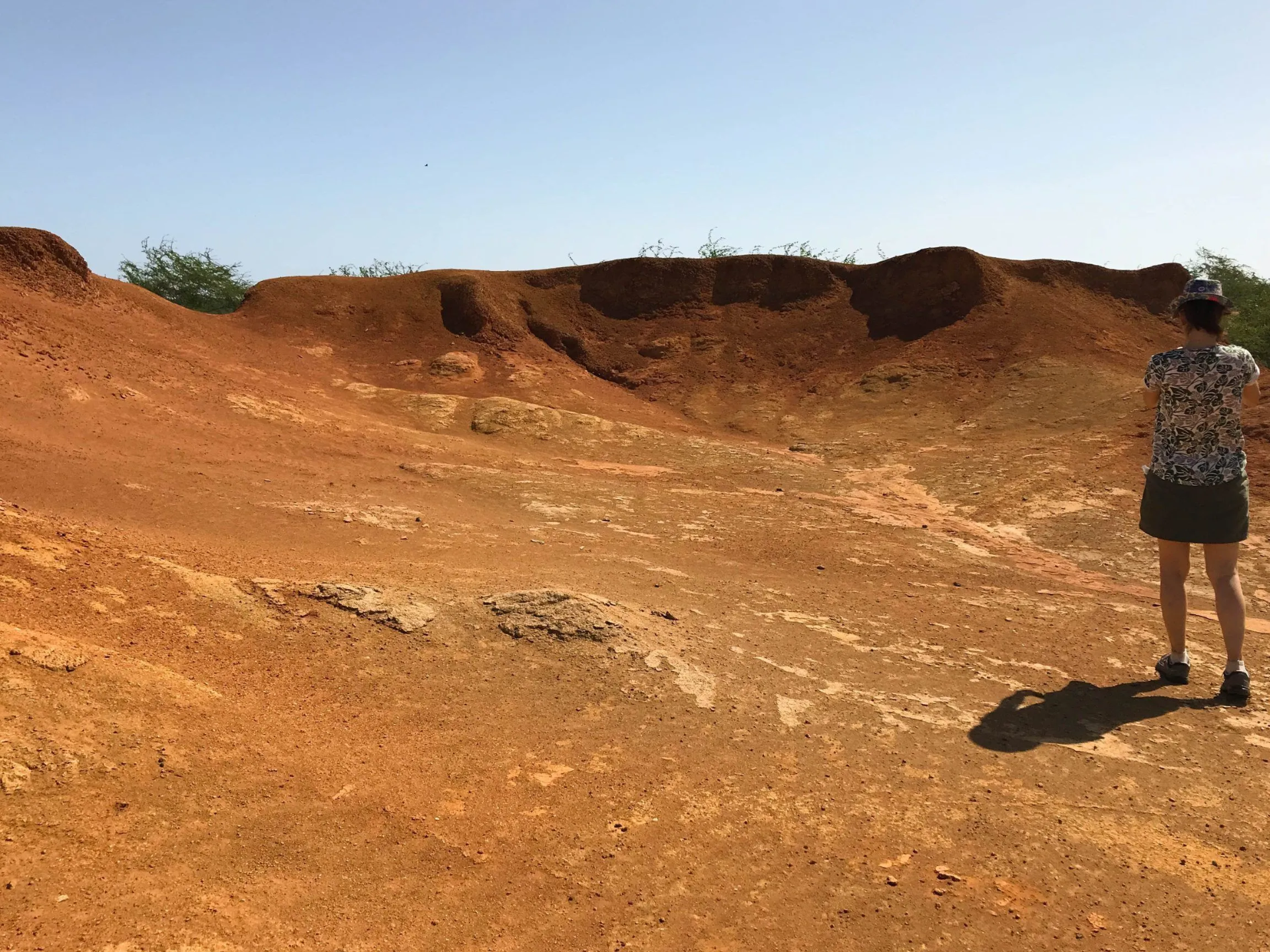
Sarigua is incredibly special because it is Panama’s only coastal desert area and is home to highly important pre-Columbian archaeological remains, dated to as far back as 9,000 years ago. It is a unique fossil mangrove ecosystem and a window into the geological and human history of the region. Its lunar-like landscape is itself a natural spectacle. In addition, it has significant cultural importance as a habitat for various migratory bird species.
The best time to visit Sarigua is during the dry season, from December to April, to avoid rain and enjoy more predictable weather. As for the time of day, I recommend going early in the morning (right when it opens) or late in the afternoon (before closing) to avoid the strongest heat and enjoy the colors of sunrise or sunset over the desert, which are spectacular for photography.
Since Sarigua is a natural park with uneven, sandy paths, accessibility for people with reduced mobility may be limited in some areas. I advise contacting the park administration or the National Environmental Authority directly for specific information about facilities and accessible trails so you can plan your visit in the best possible way.
Since it is in Herrera Province, near Parita and Chitré, you can combine your visit to Sarigua with other attractions. I recommend exploring the town of Parita, known for its colonial architecture and the colonial Church of Santo Domingo. You can also visit Las Tablas, famous for its festivals and folklore, or enjoy nearby beaches such as El Agallito Beach or the Cenegón del Mangle Wildlife Refuge, ideal for birdwatching.
Of course. To make the most of your visit, I suggest bringing sunscreen, a hat, sunglasses, and plenty of water, since the climate can be very hot and dry. Wear comfortable shoes for walking on sand or uneven terrain. Consider bringing a camera to capture the unique landscapes. And, of course, always respect the signs, do not leave trash behind, and avoid disturbing the local flora and fauna in order to preserve this unique ecosystem. Check the weather forecast before you go.
¿Prefieres escuchar en español?
🇪🇸 Escucha la audioguía de Sarigua National Park en español