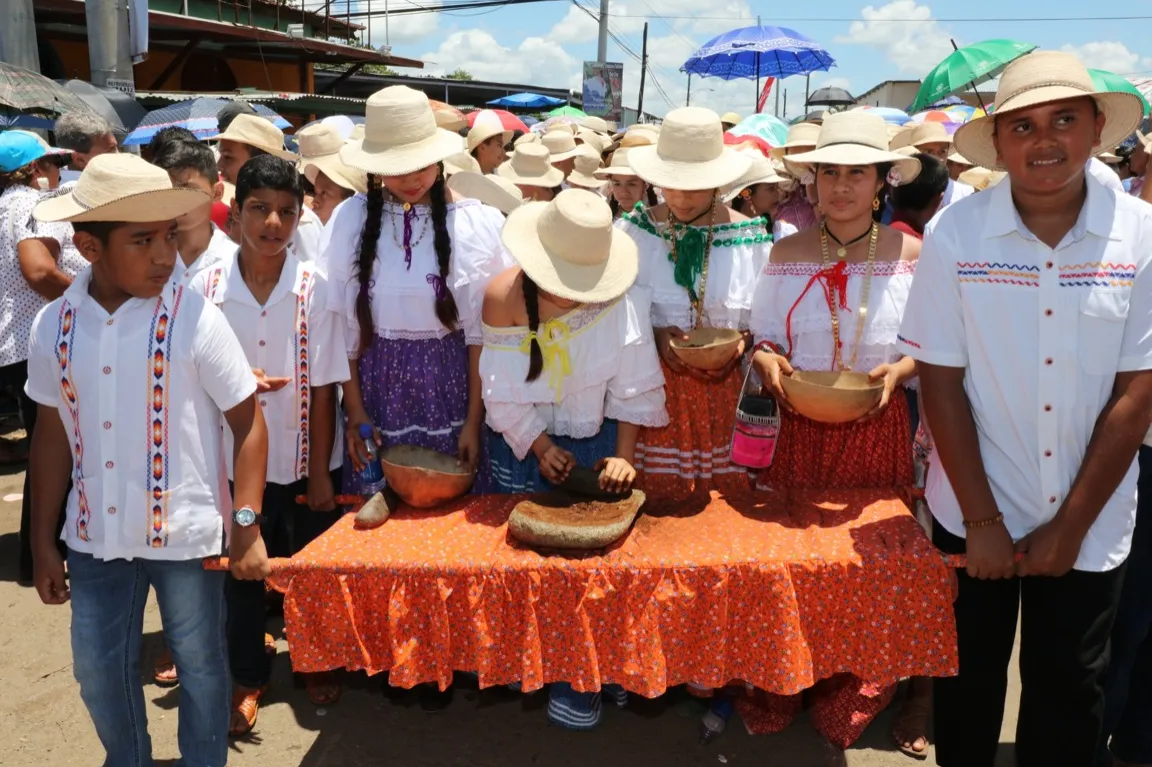
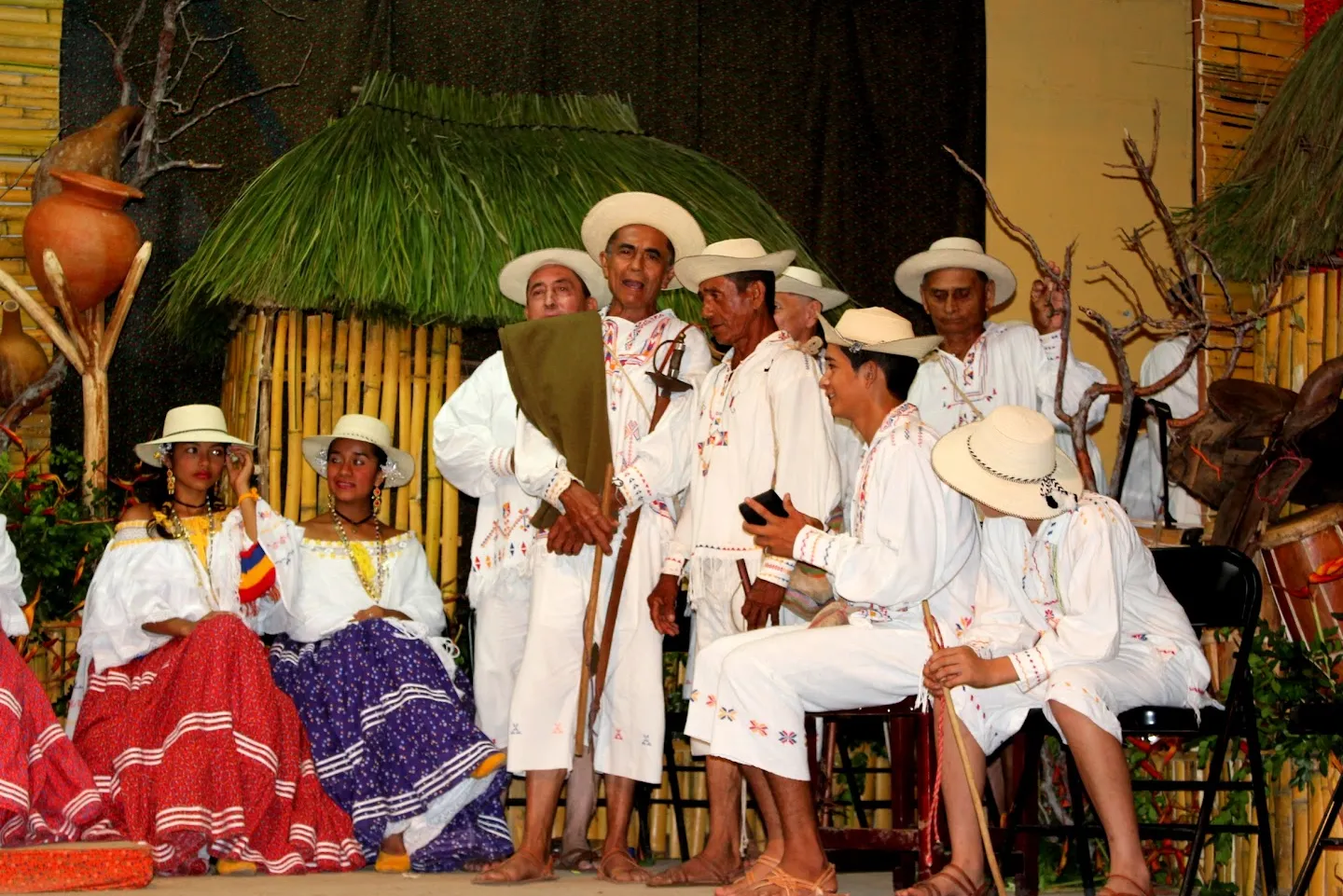
Vibrante celebración anual en Ocu, Panamá, que exalta el sombrero manito, las tradiciones folclóricas herreranas y la identidad cultural panameña a través de música, danzas y desfiles coloridos.
The National Manito Festival of Ocú is held every year in mid-August. Although the exact dates vary each year, they are usually announced in advance. To take part, simply head to Ocú during the festival days; most activities take place in the main square and surrounding streets, making it an open-air event. Keep an eye on updates on the official website for the precise dates. To check this year's exact schedule, I recommend visiting Panama's official tourism website or local news channels: Panama Tourism Authority.
Good news: attendance at the National Manito Festival itself is completely free. You can enjoy the parades, folk performances, and festive atmosphere at no cost. However, keep in mind that food stalls, handicrafts, and additional attractions will have their own charges. I suggest bringing cash so you can fully enjoy the local cuisine and products offered at the festival.
To fully immerse yourself in the National Manito Festival experience, I suggest setting aside at least one full day, if not an entire weekend. The festival features a varied program including parades, traditional dances, competitions, and handicraft exhibitions spread over several days. If you only have a few hours, focus on the main events such as the parade or musical performances, which usually follow specific schedules. To check the detailed program and plan your visit, it is useful to review the festival's official agenda, often published on local social media or on the Visit Panama website.
The National Manito Festival is a celebration deeply rooted in the rural culture of Ocú, a town with a strong farming tradition in Herrera. Its name, 'Manito,' comes from an expression similar to 'brother' or 'buddy' used among field workers, reflecting unity and community labor. It honors agricultural work, folk music such as punto, mejorana, and saloma, as well as the customs and traditional clothing of Panamanian country men and women, making it a cornerstone in preserving the nation's folkloric identity. It is an open window onto Panama's authentic roots.
The best time to visit is right at the start of each day's main events or late in the afternoon, when the sun is less intense and the festive atmosphere comes alive with lights and music. If you prefer to avoid the biggest crowds, weekdays, if the festival extends across them, are usually a bit more relaxed than the weekend. Consider arriving early in the morning to enjoy the preparations and some exhibitions more peacefully before the largest crowds arrive.
Because the festival takes place in the streets and squares of Ocú, accessibility can be challenging in some areas. Most streets are flat and easy to navigate, but large crowds may make movement more difficult. I recommend contacting the local festival organizers or the Ocú Town Hall in advance for specific information about accessible routes or assistance, as the space is not designed exclusively for high-accessibility needs. Ideally, visit with a companion and plan your viewing points carefully.
Ocú is located in Herrera Province, a region rich in traditions and natural beauty. Nearby, you can explore Sarigua National Park, a desert-like ecosystem unlike any other; visit Chitré and its Cathedral of Saint Athanasius, an important commercial and cultural center; or even go to Parita to admire its colonial church, one of the oldest in Panama. Each of these places offers a different perspective on the region's history, culture, and biodiversity. More local tourism information can be found on the Panama Tourism Authority website.
Of course. To enjoy it fully, I suggest wearing light, comfortable clothing, sunscreen, and a hat, as the weather can be warm. Stay hydrated. Bring cash, since not all vendors accept cards. Plan your arrival in advance for parking if you are driving, and check the program beforehand so you do not miss the key events. Most importantly, immerse yourself in the festive spirit, interact with local people, and try the delicious traditional cuisine. Remember that it is a very lively celebration, so be prepared to walk quite a bit. Enjoy!
¿Prefieres escuchar en español?
🇪🇸 Escucha la audioguía de National Manito Festival en español