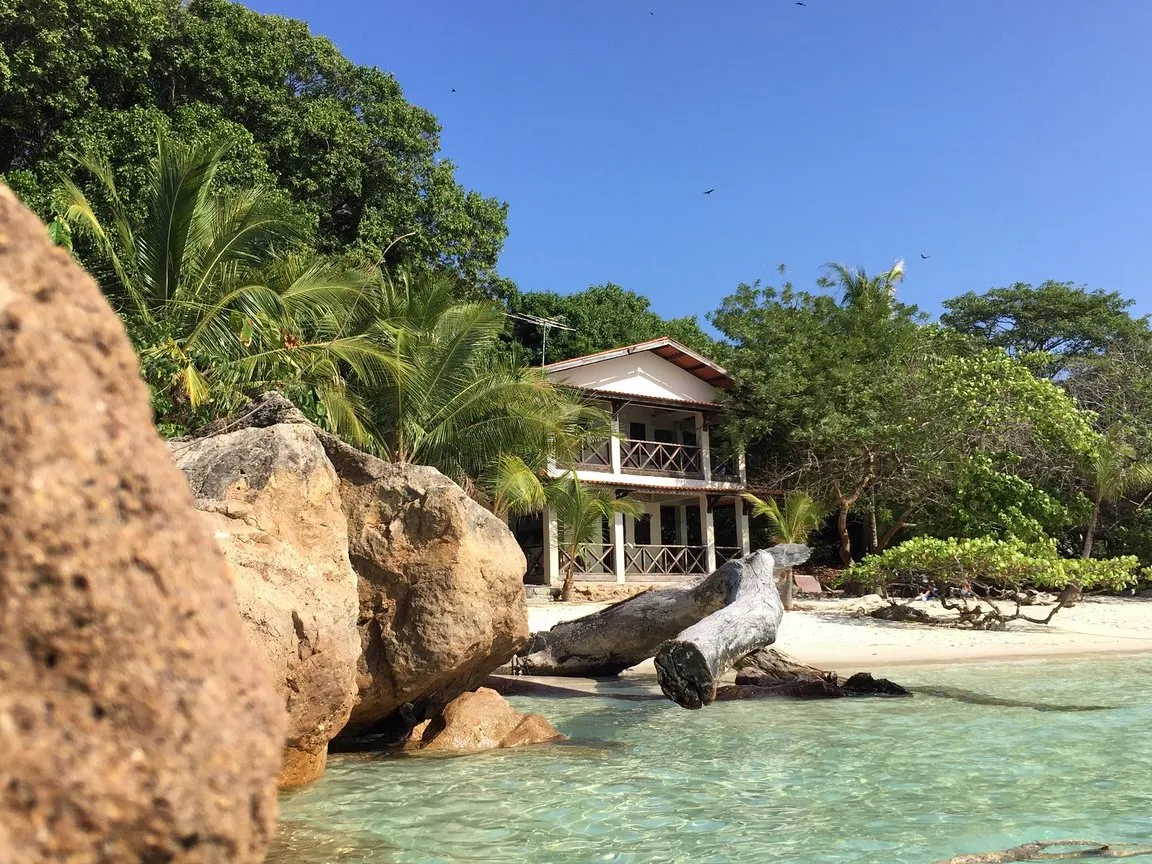
A natural paradise in Panama’s Pacific, home to iguanas and a vibrant marine ecosystem.
To visit Iguana Island Nature Reserve, you need to go by boat from Pedasí or El Arenal Beach. Boats generally operate from early morning until the afternoon, but we recommend booking a tour in advance to secure your spot. You can find local tour operators in Pedasí. Keep in mind that access to the island is regulated to protect the ecosystem; for safety reasons, visitors are only allowed to stay on the island until a set time in the afternoon. Always check the latest regulations on the Panama Ministry of Environment (MiAMBIENTE) website.
Yes, Iguana Island Nature Reserve has an entrance fee that contributes to conservation efforts. This fee is often included in the price of tours with tour operators, but it is a good idea to confirm this when booking. If you arrive on your own, you will need to pay the entrance fee directly on the island if a park ranger is present, or in Pedasí before boarding. Prices may vary for nationals and foreigners. For updated information, check with your tour operator or review information on the Visit Panama website.
For a complete experience on Iguana Island, we recommend setting aside at least half a day, between 4 and 6 hours. This includes boat travel time, exploring the beaches, snorkeling on its coral reefs, and observing wildlife. If you want to relax and enjoy the beaches even more, you could even consider a full day.
Iguana Island Nature Reserve is a biodiversity sanctuary, especially known for its impressive coral reef, one of the best preserved in Panama’s Pacific. It is an important nesting site for sea turtles and home to a large colony of seabirds, including magnificent frigatebirds. Its ecological importance lies in being a pristine marine ecosystem that shelters endangered species and supports research and conservation. Beyond everything that makes this island unique, its beauty and distinctive flora and fauna are what make it truly special. For more details about its flora and fauna, you can visit the Tortuguias website.
The best time to visit Iguana Island is during the dry season, from December to April, when the weather is sunny and the sea is calmer, which is ideal for snorkeling and diving. However, it can be visited year-round. As for the best time of day, I suggest going early in the morning to avoid crowds and enjoy the island’s tranquility before more visitors arrive. In addition, the morning light is perfect for photography.
Unfortunately, Iguana Island Nature Reserve does not have infrastructure adapted for people with reduced mobility. Access to the island involves disembarking directly onto the beach from a small boat, and there are no boardwalks or paved paths. The terrain is sandy and uneven, which can make moving around in a wheelchair difficult. We recommend assessing your physical condition and consulting the tour operator to understand the available options and limitations.
Near Iguana Island, on the Azuero Peninsula, you can explore Pedasí, a charming fishing town with accommodation and restaurant options. You can also visit Venao Beach, famous for its waves that are ideal for surfing, or the picturesque town of Chitré, with its colonial architecture and vibrant culture. The region offers a mix of beaches, wildlife, and local culture. For more information about activities in the region, visit the Panama Tourism Authority (ATP) website.
Of course! I recommend bringing biodegradable sunscreen, hats, sunglasses, and plenty of drinking water to stay hydrated. Do not forget your snorkeling gear if your tour does not include it, and bring a camera to capture the beauty of the place. Also, to protect the ecosystem, do not smoke, do not leave trash behind, and do not touch the corals or wildlife. It is essential to respect the park rules to preserve this natural paradise. Bring snacks as well, since food is not sold on the island. The key is to enjoy it responsibly.
¿Prefieres escuchar en español?
🇪🇸 Escucha la audioguía de Iguana Island Nature Reserve en español