No te vayas sin conocer la historia Suscribete
IAudioGuia iaudioguia
Audio Guides of Tonosi

Audio Guide of Cerro Hoya National Park

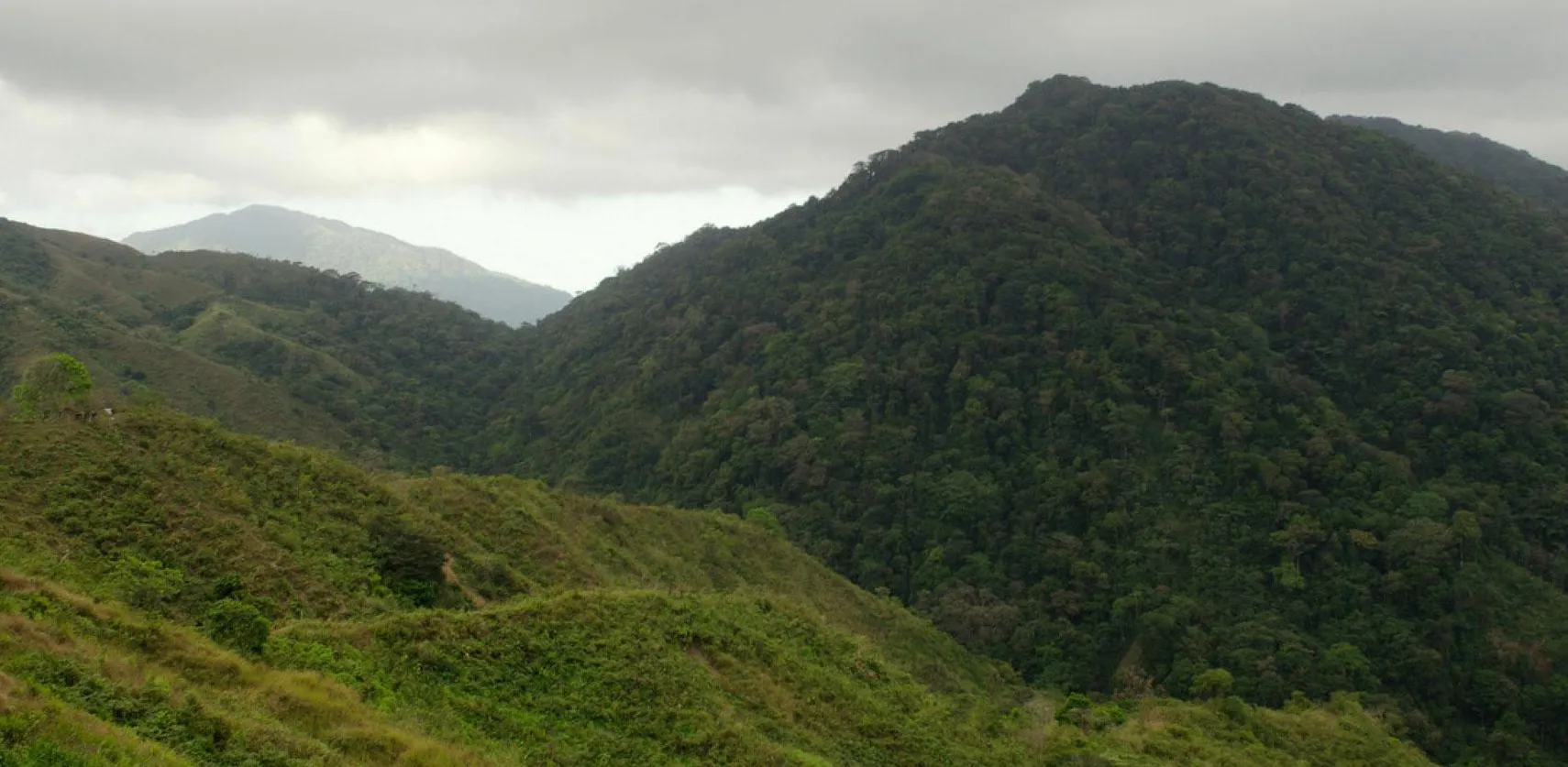
A pristine natural paradise stretching from the summit of Cerro Hoya to the Pacific Ocean, home to immeasurable biodiversity.

✓ What guidebooks don't tell you
✓ Secrets other tourists miss
✓ Listen while you explore
Discover everything
00:00
00:00
Rate this audio guide

📖 Audio Guide Chapters

6 chapters

1. A Natural Sanctuary in Veraguas: The Story of Cerro Hoya

🔒 Premium Content

Subscribe to access all chapters of this audio guide.

2. The Topography of Life: Geography and Unique Ecosystems

🔒 Premium Content

Subscribe to access all chapters of this audio guide.

3. The Biological Masterpiece: Endemic Flora and Fauna

🔒 Premium Content

Subscribe to access all chapters of this audio guide.

4. The Human Element: Custodians and Nearby Communities

🔒 Premium Content

Subscribe to access all chapters of this audio guide.

5. Mystery Beneath the Mist: Curiosities and Secrets of the Jungle

🔒 Premium Content

Subscribe to access all chapters of this audio guide.

6. A Living Legacy: Cerro Hoya National Park Today

🔒 Premium Content

Subscribe to access all chapters of this audio guide.

❓ Frequently Asked Questions

What are the opening hours of Cerro Hoya National Park and how can I access it?

Cerro Hoya National Park is open 24 hours a day, 7 days a week, although entry after dark may be limited and dangerous without experienced guides. The main access route is via the road leading to the community of El Cacao, in Tonosí. It is recommended to contact the National Environmental Authority (MiAmbiente) or local guides to arrange entry and ensure a safe visit.

Is there an entrance fee to enter Cerro Hoya National Park?

Yes, Cerro Hoya National Park has a symbolic entrance fee to support its conservation. For domestic visitors, the fee is usually $2.00, while for foreign visitors it is $5.00. It is important to bring cash, as electronic payment facilities are not always available at the entrance. You can check updated fees with MiAmbiente.

How much time is recommended to visit Cerro Hoya National Park and enjoy its attractions?

To properly explore the trails and enjoy the biodiversity of Cerro Hoya National Park, a visit of at least one full day is recommended. If you plan to hike to the peaks or visit the more remote waterfalls, you may want to consider a two-day camping trip, always accompanied by local guides due to the difficulty of the trails.

What is the historical or cultural importance of Cerro Hoya National Park?

Cerro Hoya National Park is a natural and cultural treasure. In addition to being one of the last strongholds of primary tropical rainforest on the Azuero Peninsula, it contains traces of pre-Columbian Indigenous cultures. Its mountains and rivers have been sources of life and inspiration for local communities for centuries, forming part of their rich traditions and worldview. It also plays a crucial role in water conservation for the entire region.

When is the best time to visit Cerro Hoya National Park?

The best time to visit Cerro Hoya National Park is during the dry season, from December to April. During these months, the trails are more accessible and the risk of heavy rain is lower, making hiking and wildlife observation easier. However, in the wet season (May to November), the park is lush and spectacular, but it requires greater preparation and expert guides.

Is Cerro Hoya National Park accessible for people with reduced mobility?

Unfortunately, Cerro Hoya National Park does not have infrastructure adapted for people with reduced mobility. Its trails are natural and sometimes steep, which makes access difficult with wheelchairs or walkers. It is a park intended for hiking and adventure activities in rugged natural environments. If you have any special needs, we recommend contacting the park administration for specific options or adaptations.

What other attractions or places of interest can I visit around Tonosí, near Cerro Hoya National Park?

Around Tonosí, you can enjoy the pristine beaches of the Pacific coast such as Guanico Beach and Cambutal Beach, ideal for surfing and relaxation. I also recommend exploring nearby communities to discover the local culture and cuisine of the Azuero region. Do not forget to visit the picturesque town of Tonosí and the region’s agritourism projects.

Do you have any practical tips to make the most of my visit to Cerro Hoya National Park?

Of course! I recommend wearing comfortable hiking clothes, proper footwear (preferably trekking boots), and bringing enough water, insect repellent, and sunscreen. It is ESSENTIAL to go with a certified local guide, as the trails are not well marked and the terrain can be challenging. Also, bring bags for your trash and always respect the flora and fauna to help keep this paradise intact. Enjoy the adventure!

¿Prefieres escuchar en español?

🇪🇸 Escucha la audioguía de Cerro Hoya National Park en español