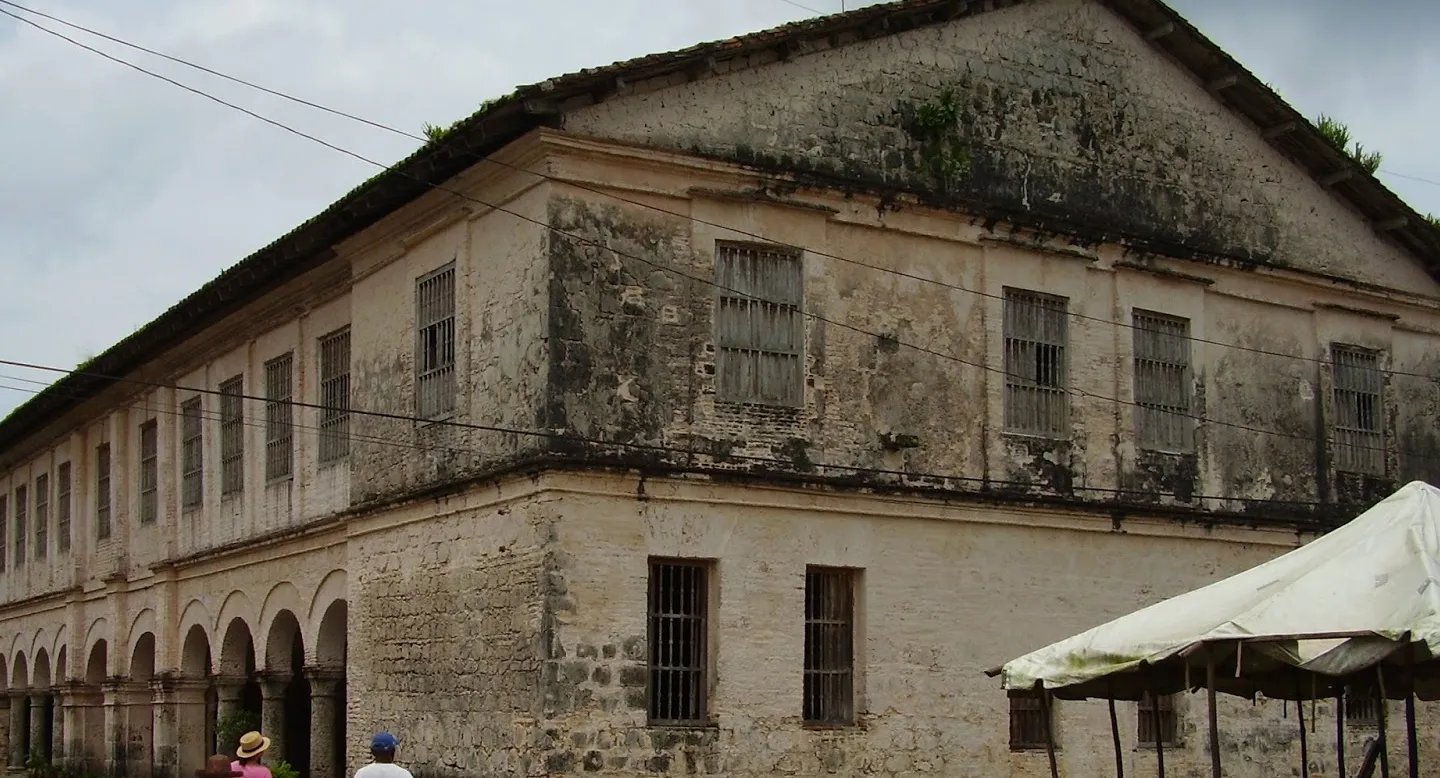
La Casa Aduana de Portobelo es un emblemático edificio colonial español del siglo XVIII, testigo clave del comercio transoceánico y las defensas contra piratas en el Caribe.
The Customs House of Portobelo is part of the Portobelo Historic Monumental Complex, a UNESCO World Heritage Site. It is generally accessible for exterior viewing, although access to the interior may vary. We recommend checking directly with the Panama Ministry of Culture to confirm opening hours and whether guided tours of the interior are available. Portobelo itself, as a town, is open to visitors, and you can explore it at your own pace. We also suggest checking Panama’s official tourism website for more details.
Visiting the exterior of the Customs House in Portobelo and exploring its surroundings is usually free, as it is a historic monument integrated into the town’s landscape. However, if there are special exhibitions or interior access managed by an organization, a small fee may apply. It is always a good idea to check with local authorities or the Panama Tourism Authority for last-minute updates.
For the Customs House itself, an exterior visit and a walk through its gardens may take between 30 minutes and 1 hour, depending on your interest in photography and reading any information panels. However, to fully appreciate Portobelo, including the nearby forts and the atmosphere of the town, I would suggest setting aside at least half a day, or even a full day if you want to immerse yourself in its history and cuisine.
The Customs House of Portobelo was a crucial building during the Spanish colonial era, serving as the main center for tax collection and the control of goods between the Americas and Europe. It was the epicenter of transatlantic trade, where treasures and riches bound for Spain were stored, making it a constant target for pirates and corsairs. Its history is closely linked to the legendary Portobelo Fair, where gold, silver, and other valuable goods were traded.
The best time to visit Portobelo and the Customs House is during Panama’s dry season, which runs from December to April. During these months, the weather is sunnier and rainfall is less frequent, making exploration much more pleasant. An additional tip: try to visit early in the morning or late in the afternoon to avoid the hottest part of the day and enjoy the site’s historic charm more peacefully.
Since the Customs House is an old colonial building, its original infrastructure may present challenges for people with reduced mobility. Access to outdoor areas and the ground floor is usually more feasible, while stairs and uneven terrain could make access to upper floors difficult if they are open. We recommend contacting the local authorities in Portobelo or the Panama Ministry of Culture directly for specific information about accessibility and any possible adaptations.
Portobelo is full of history, so besides the Customs House, you should not miss the impressive military forts such as Santiago de la Gloria Fort and San Jerónimo Fort, which protected the harbor. You can also visit the Church of Saint Philip, home of the famous Black Christ, and enjoy a walk through the town to discover its Afro-descendant culture and local cuisine.
Of course. I recommend wearing comfortable shoes for walking between the forts and around the town, as well as bringing sunscreen and insect repellent. Don’t forget your camera—the views are spectacular. Also, consider hiring a local guide; their knowledge of Portobelo’s history and anecdotes will greatly enrich your experience. And of course, try the local cuisine, especially the fresh seafood—it’s delicious!
¿Prefieres escuchar en español?
🇪🇸 Escucha la audioguía de the Customs House en español