No te vayas sin conocer la historia Suscribete
IAudioGuia iaudioguia
Audio Guides of Arrecifes Coral

Audio Guide of Isla Iguana Coral Reefs

Donde piratas escondieron botines y ballenas adultas enseñan a nadar a sus crías

✓ What guidebooks don't tell you
✓ Secrets other tourists miss
✓ Listen while you explore
Discover everything
00:00
00:00

📖 Audio Guide Chapters

6 chapters

1. The Day War Saved Paradise

🔒 Premium Content

Subscribe to access all chapters of this audio guide.

2. Pirates, Prostitutes, and the Emerald Garden

🔒 Premium Content

Subscribe to access all chapters of this audio guide.

3. Seahorses Dancing Tango

🔒 Premium Content

Subscribe to access all chapters of this audio guide.

4. The Underwater 'Little House' Everyone Misses

🔒 Premium Content

Subscribe to access all chapters of this audio guide.

5. The Competition of the Blue Bachelors

🔒 Premium Content

Subscribe to access all chapters of this audio guide.

6. The Secret You Carry in Your Eyes

🔒 Premium Content

Subscribe to access all chapters of this audio guide.

❓ Frequently Asked Questions

How can I get to Isla Iguana and what are the visiting hours?

Access is only by boat from Pedasi (30-40 minutes crossing). Departures are usually arranged with local operators between 8:00 am and 2:00 pm. The Wildlife Refuge is open every day from 7:00 am to 4:00 pm. More info: National System of Protected Areas

How much is the entrance fee to the Isla Iguana Coral Reefs?

The fee for foreign visitors is $10-$12 USD (adults) and $5 USD for children. It includes access to the refuge. Tours usually include transportation, snorkeling, and a guide (from $45 USD). Bringing cash is recommended. Source: MiAmbiente Panama

How much time is recommended for visiting Isla Iguana?

Allow at least 3-4 hours: 1 hour of snorkeling on the reefs, 1 hour to walk the trails and watch birds, plus time to enjoy the unspoiled beaches. Tours usually last a full half day including transportation.

What ecological importance do the reefs of Isla Iguana have?

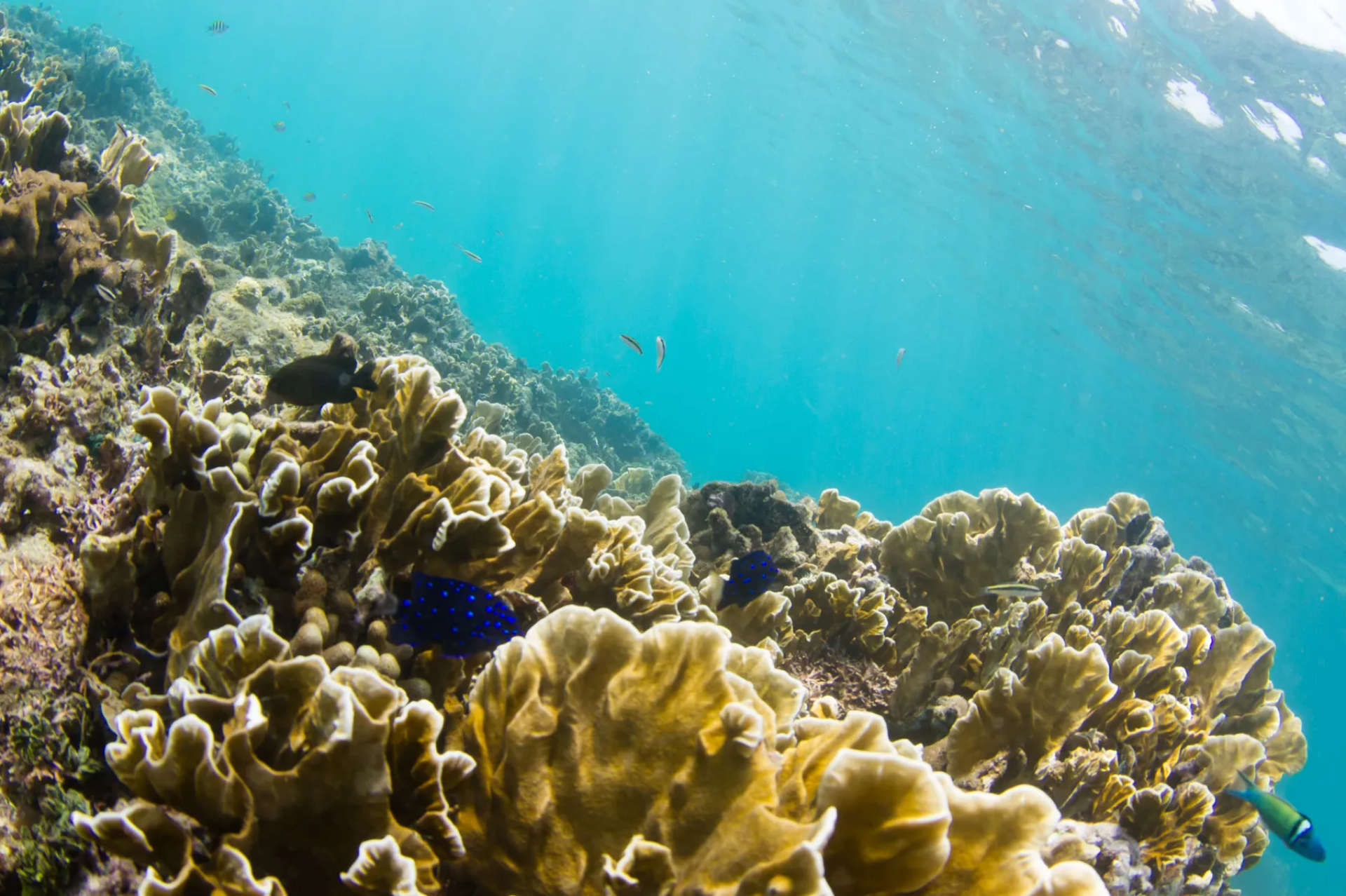
It is the largest coral reef in the Gulf of Panama (16 hectares) and has been a Wildlife Refuge since 1980. It is home to 12 coral species, sea turtles, and more than 80 species of fish. It is part of the Eastern Tropical Pacific Marine Corridor.

What is the best time of year to visit the reefs?

Dry season (December-April), when the sea is calmer and clearer for snorkeling. Avoid September-November because of rain. Arriving early (before 10 am) is ideal to avoid afternoon waves. More info: Weather in Isla Iguana

Is it accessible for people with reduced mobility?

Access has limitations: it requires transfer to small boats without ramps, and the paths are uneven natural trails. The soft-sand beaches allow assisted swimming. Check with operators such as Pedasi Tours for specific needs.

What other places can I visit near Isla Iguana?

We recommend: 1) the town of Pedasi (colonial architecture), 2) Playa Venao (surfing), 3) Punta Mala Wildlife Refuge (whale watching July-October). More options at: Official Tourism Guide

What recommendations should I follow to enjoy the visit to the fullest?

Bring: biodegradable sunscreen (mandatory), water, a hat, and light snacks. Removing coral or disturbing wildlife is prohibited. Hire certified guides. Useful website: Recommended local operators

¿Prefieres escuchar en español?

🇪🇸 Escucha la audioguía de Isla Iguana Coral Reefs en español