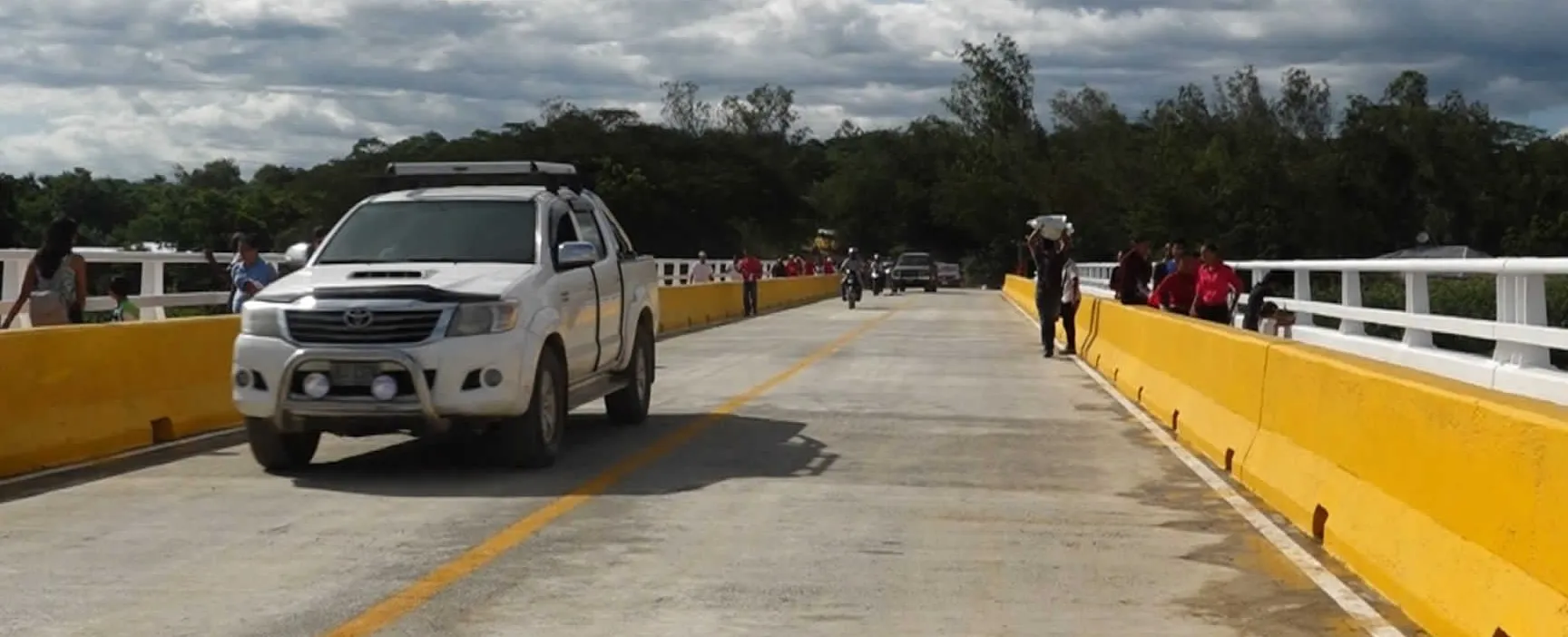
Río Negro, in Somotillo, Chinandega, is an important natural resource and a cornerstone of local life, with a rich history and a vibrant ecosystem.
Río Negro is a natural site whose main access does not have opening or closing hours like a museum. It is generally accessible during daylight hours. If you are planning a guided visit or access to a specific point with controlled entry, such as a private farm or ecotourism initiative, you should check directly with the service provider, as schedules may vary. It is best to plan your arrival during the day so you can fully enjoy the surroundings.
General access to the Río Negro area, as a natural setting, is free. However, if you are planning specific activities such as hiking on private property, using local tourist facilities, or joining organized guided visits, there will very likely be associated fees. We suggest researching local ecotourism options in Somotillo, as some communities or farms offer experiences for a fee that contributes to local development. You can check this on pages such as Visit Nicaragua or with local tour operators.
The length of a visit to Río Negro can vary greatly depending on your interests. If you simply want to admire the landscape and take a few photos, one or two hours may be enough. However, if you plan activities such as hiking, birdwatching, or a picnic by the river, we recommend setting aside at least half a day. For a more immersive experience, combining nature with community interaction, you might consider a full-day stay.
Beyond its natural beauty, Río Negro is vital to the ecology and daily life of Somotillo, providing water and sustaining local ecosystems. Historically, it has been a crucial river artery for the communities settled along its banks, witnessing the history and development of the region. Its name also evokes the richness of the nearby soils and the importance of its waters for agriculture and the livelihood of the population.
The best time to visit Río Negro is during the dry season, which in Nicaragua runs from November to April, as the weather is milder and the roads are in better condition. The rainy season, from May to October, can make access more difficult, and the river may rise. As for the time of day, the early morning or late afternoon hours are ideal to avoid the intense heat, enjoy softer light for photography, and possibly see more wildlife.
Since Río Negro is a natural environment and not a tourist facility built to universal accessibility standards, access for people with reduced mobility or wheelchairs may be limited. Trails and paths are usually uneven and unpaved, and some areas may have changes in elevation. We recommend contacting local tour operators in Somotillo if you are looking for adapted options, as they may offer specific solutions or indicate the most accessible points. Unfortunately, there is no specific infrastructure for this.
Near Río Negro, you can explore the town of Somotillo itself, known for its rural atmosphere and local markets. The Chinandega region also offers attractions such as Cosigüina Volcano, which has an impressive crater lake and panoramic views. In addition, the Pacific coast, with beaches such as Jiquilillo and Padre Ramos, is within reasonable distance for a day trip, offering activities such as surfing or kayaking. To explore these options, you can consult Nicaragua travel guides or local tourist information.
Of course. For an optimal visit to Río Negro, we recommend bringing enough water, sunscreen, insect repellent, and a hat or cap, especially during the middle of the day. Wear comfortable, sturdy footwear for walking on natural terrain. Consider bringing a basic first-aid kit. If you plan to hike or explore more deeply, learn about the route beforehand and, if possible, hire a local guide. Finally, always respect the natural environment and local communities by taking all your trash with you and keeping your impact low, as recommended for sustainable tourism by INTUR Nicaragua.
¿Prefieres escuchar en español?
🇪🇸 Escucha la audioguía de Río Negro en español