El gigante dormido que en 1835 escupió cenizas hasta México y dejó al mundo temblando de asombro.
Cosigüina Volcano is part of a nature reserve. To visit it, it is generally recommended to arrange your trip with local guides or tour agencies in Potosí, as access can be difficult and it is best to go with company. There are no fixed opening hours like at a museum; visits depend on organized expeditions. We recommend contacting local tour operators to plan your visit.
Yes, there is usually an entrance fee to access the Cosigüina Volcano Nature Reserve, which helps support its conservation. It is also highly recommended to hire a local guide, which will involve an additional cost but will ensure a safer and more enriching experience. Prices may vary, so we suggest checking with guides when arranging your excursion.
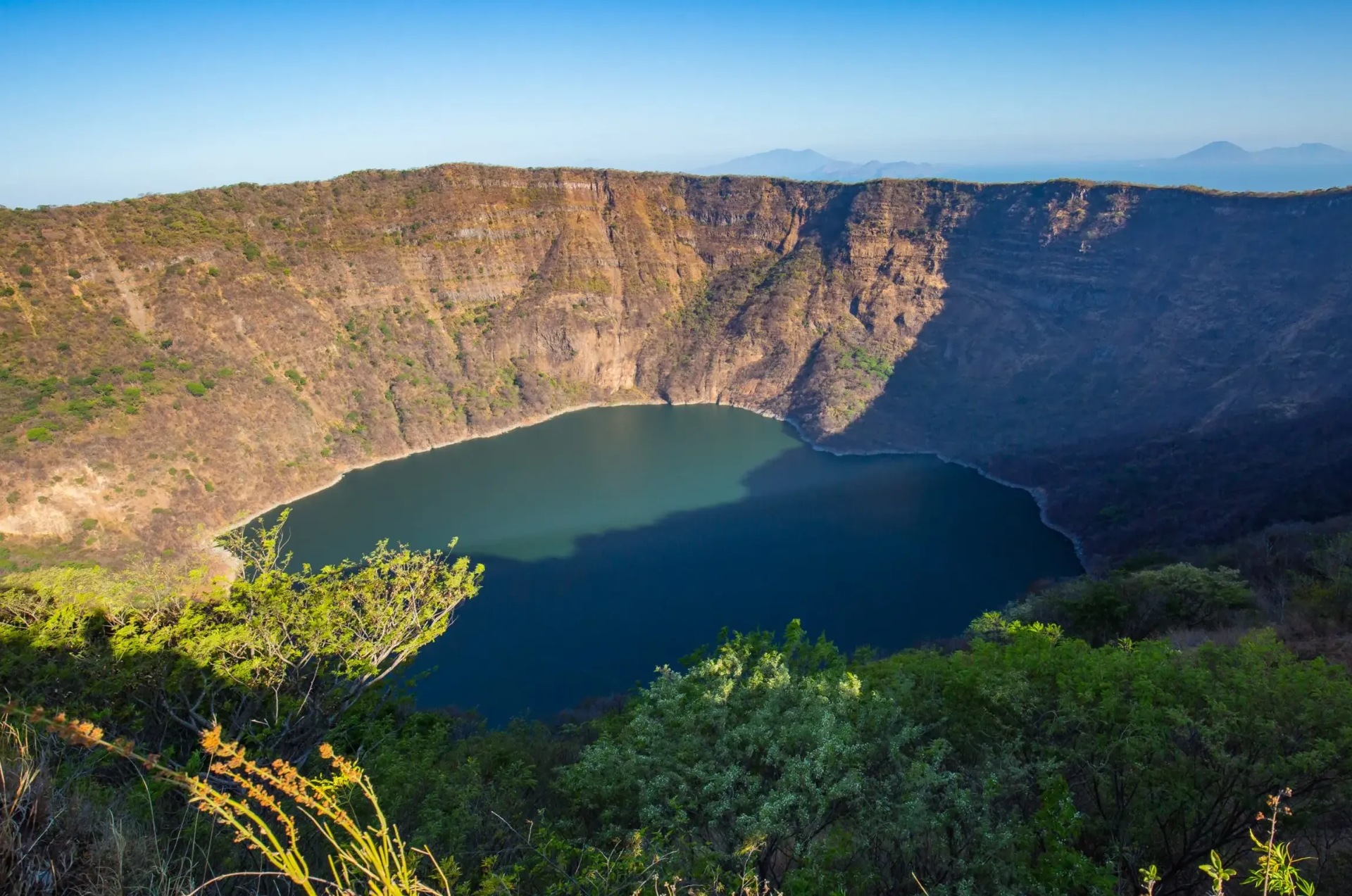
A full visit to Cosigüina Volcano, including the hike to the summit to admire the crater lake, usually takes a full day, around 8 to 10 hours from departure to return. The hike can be demanding and requires good physical condition, but the views are spectacular.
Cosigüina Volcano is famous for producing one of the most violent eruptions in the recent history of the Americas in 1835, with its sound heard as far away as Colombia. Its collapsed caldera formed a beautiful turquoise crater lake, making it a place of great geological and natural interest.
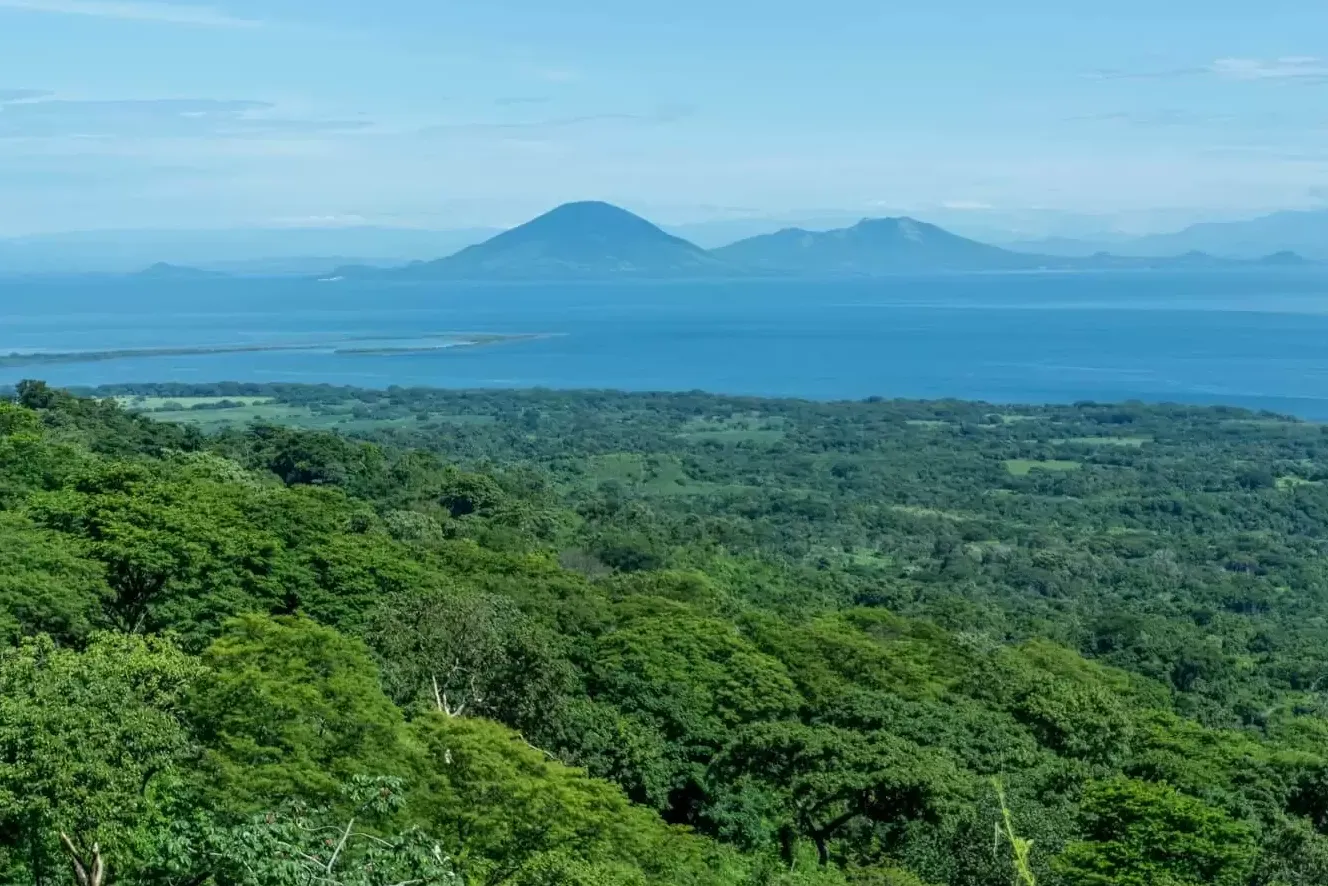
The best time to visit Cosigüina Volcano is during Nicaragua’s dry season, which runs from December to April. During these months, the weather is cooler, there is less rain, and the chances of having clear skies to enjoy the stunning views of the lake and the Gulf of Fonseca are much higher.
Due to the nature of the terrain, which includes steep and rocky trails leading up to the crater, Cosigüina Volcano is not accessible for people with reduced mobility. The hike requires good physical fitness and is a considerable challenge. For visitors with special needs, it is recommended to contact a guide to explore alternative options in the surrounding area.
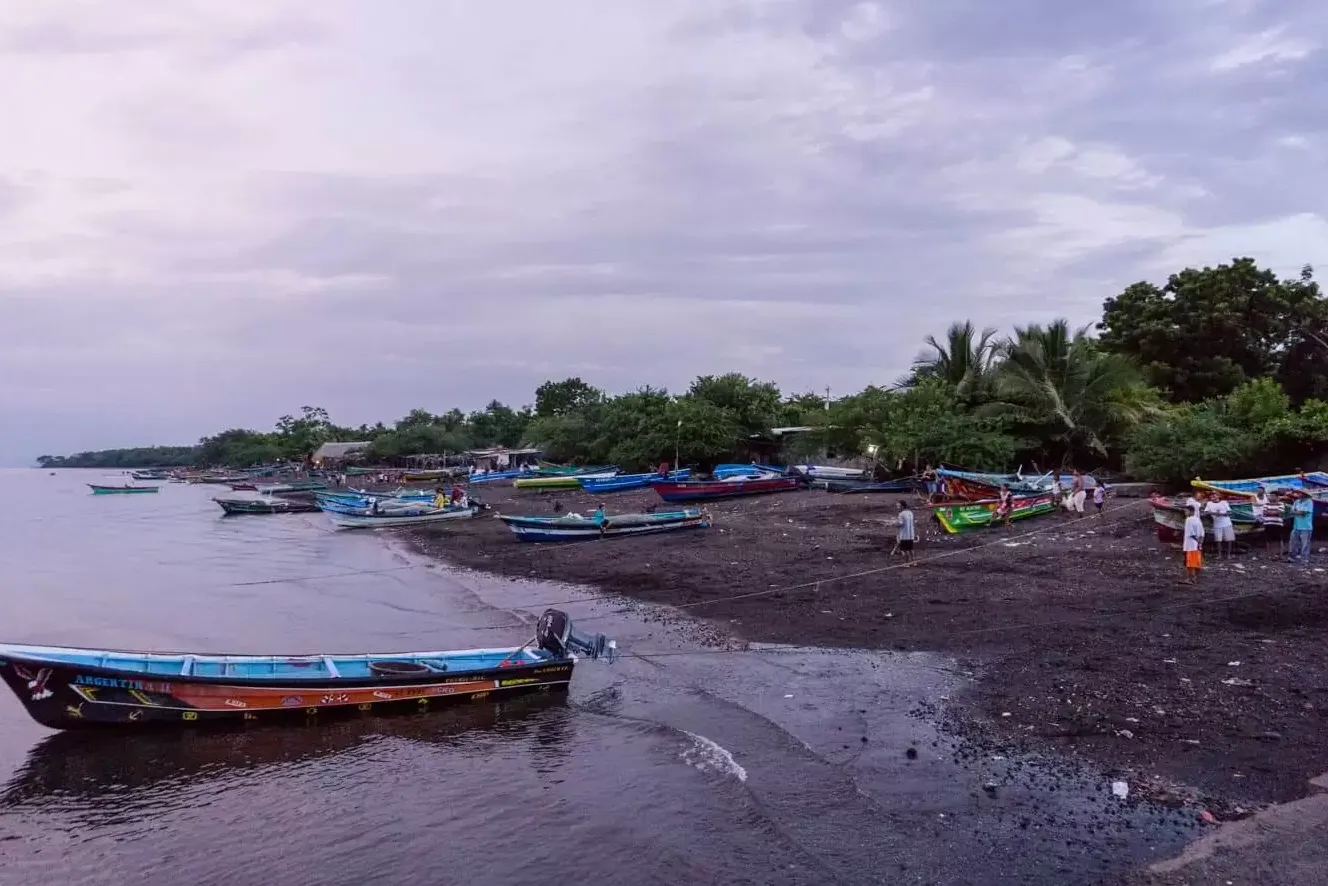
Around Potosí and Cosigüina Volcano, you can explore the unspoiled beaches of the Gulf of Fonseca, such as the Padre Ramos Estuary, an important sea turtle sanctuary. You can also enjoy the rich wildlife in the nature reserve. For accommodation options and local cuisine, Potosí offers several alternatives. Feel free to ask locals for their recommendations.
For your visit, bring plenty of water, energy-rich food, sunscreen, insect repellent, and a hat or cap. Wear comfortable clothing and sturdy hiking shoes. Hiring an experienced local guide is essential. Don’t forget your camera to capture the spectacular views of the crater and the Gulf of Fonseca. Get ready for an unforgettable adventure!
¿Prefieres escuchar en español?
🇪🇸 Escucha la audioguía de Cosigüina Volcano en español