Make the most of your time in Rio Coco Wangki Subscribe
IAudioGuia iaudioguia
Audio Guides of Rio Coco Wangki

Audio Guide of Coco Wangki River

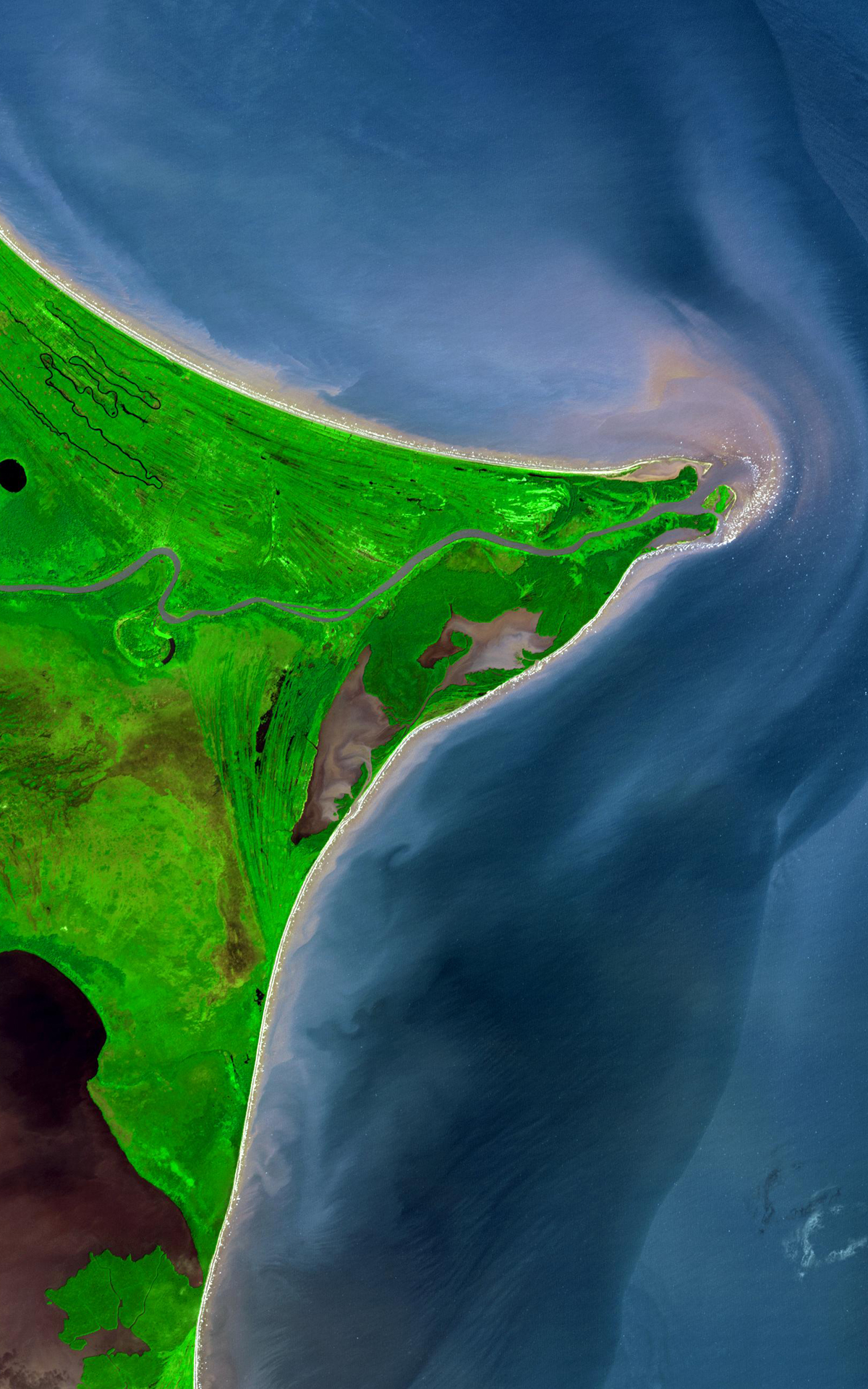
The Coco Wangki River is the longest river in Central America, a vital artery and cultural symbol for the Indigenous communities of Nicaragua's North Caribbean Coast Autonomous Region.

✓ What guidebooks don't tell you
✓ Secrets other tourists miss
✓ Listen while you explore
Discover everything
00:00
00:00
Rate this audio guide

📖 Audio Guide Chapters

6 chapters

1. Introduction and Ancient History

🔒 Premium Content

Subscribe to access all chapters of this audio guide.

2. A Vibrant and Biodiverse Ecosystem

🔒 Premium Content

Subscribe to access all chapters of this audio guide.

3. Miskito Culture and Its Connection to the River

🔒 Premium Content

Subscribe to access all chapters of this audio guide.

4. Historical Figures and Conflicts on Its Banks

🔒 Premium Content

Subscribe to access all chapters of this audio guide.

5. Curiosities, Myths, and Riverbank Traditions

🔒 Premium Content

Subscribe to access all chapters of this audio guide.

6. Cultural Importance and Legacy for the Future

🔒 Premium Content

Subscribe to access all chapters of this audio guide.

❓ Frequently Asked Questions

What are the visiting hours for the Coco Wangki River, and how can I get there?

The Coco Wangki River is a natural resource open to the public. It does not have 'opening' or 'closing' hours like a museum, but access depends on local communities and transportation services. In general, you can visit during the day; I recommend coordinating with local guides or tour operators in Bilwi to arrange transportation and enjoy a safe, enriching experience. Explore the North Caribbean Coast Autonomous Region for more access information.

Is there an entrance fee to access the Coco Wangki River, or is it free?

Access to the river itself is generally free, as it is a vital natural resource. However, you will most likely incur costs related to transportation (boats, 4x4 vehicles), local guides, and possible permits or contributions to Indigenous communities for activities, lodging, or services. Research local tour operators in Puerto Cabezas (Bilwi) that offer packages. There is no official website for river entrance fees as such, but look for options on travel sites or through local operators.

How much time is recommended for a visit to the Coco Wangki River?

A full visit to the Coco Wangki River, especially if you want to explore different communities and immerse yourself in local culture, may require 2 to 4 days. However, for a more superficial experience, you can plan a full-day excursion from one of the nearby cities, such as Bilwi. The ideal duration will depend on your interest in activities such as boat trips, community interaction, or wildlife observation.

What is the historical or cultural importance of the Coco Wangki River for Nicaragua?

The Coco Wangki River is the longest river in Central America and has immense cultural and historical importance, especially for the Miskito, Mayangna, and Rama Indigenous peoples who live along its banks. It is the cradle of their culture, livelihood, and ancestral routes of communication. It forms the natural border with Honduras and has witnessed centuries of history, trade, and cultural resistance, serving as a vital axis in the development of the North Caribbean Coast Autonomous Region. Learn more about the Miskito and their relationship with the river here.

What is the best time of year or time of day to visit the Coco Wangki River?

The best time to visit the Coco Wangki River is during the dry season, from December to April, when rainfall is lower and access by road and river is easier. During the rainy season (May to November), the river can rise significantly, making transportation and activities more difficult. Visiting early in the morning or at sunset gives you the best opportunities to observe birds and enjoy the tranquility of the surroundings.

Is the Coco Wangki River accessible for people with reduced mobility?

Unfortunately, access to the Coco Wangki River and its surroundings is quite rustic and is not adapted for people with reduced mobility. Roads are often uneven, transportation commonly involves small boats or 4x4 vehicles, and communities do not have accessible infrastructure. It is a destination that requires a certain level of physical ability to move around comfortably. I recommend contacting specialized tour operators to assess the possibilities. Look for tours to the Awala Turtle Farm, which may offer some options.

What other attractions or places of interest can I visit near the Coco Wangki River?

Near the Coco Wangki River, you can explore the city of Bilwi (Puerto Cabezas), the regional capital, with its vibrant Caribbean culture and markets. You can also visit the pristine beaches of the Bosawás Biosphere Reserve, or take excursions to Miskito Indigenous communities to learn about their customs and crafts. The main experience is immersion in rural life and nature, so I recommend focusing on ecotourism and community-based cultural tourism. Discover more about Bilwi and its surroundings.

Do you have any practical advice to make the most of my visit to the Coco Wangki River?

Of course! To make the most of your visit, I recommend hiring an experienced local guide; their knowledge of the culture, nature, and logistics is invaluable. Bring mosquito repellent, sunscreen, light long-sleeved clothing, a sun hat, and comfortable, water-resistant footwear. Also bring enough drinking water and snacks. Be prepared for a somewhat rustic trip, and connect with local people with an open and respectful mindset for an authentic and memorable experience.

¿Prefieres escuchar en español?

🇪🇸 Escucha la audioguía de Coco Wangki River en español