No te vayas sin conocer la historia Suscribete
IAudioGuia iaudioguia
Audio Guides of Ciudad Dario

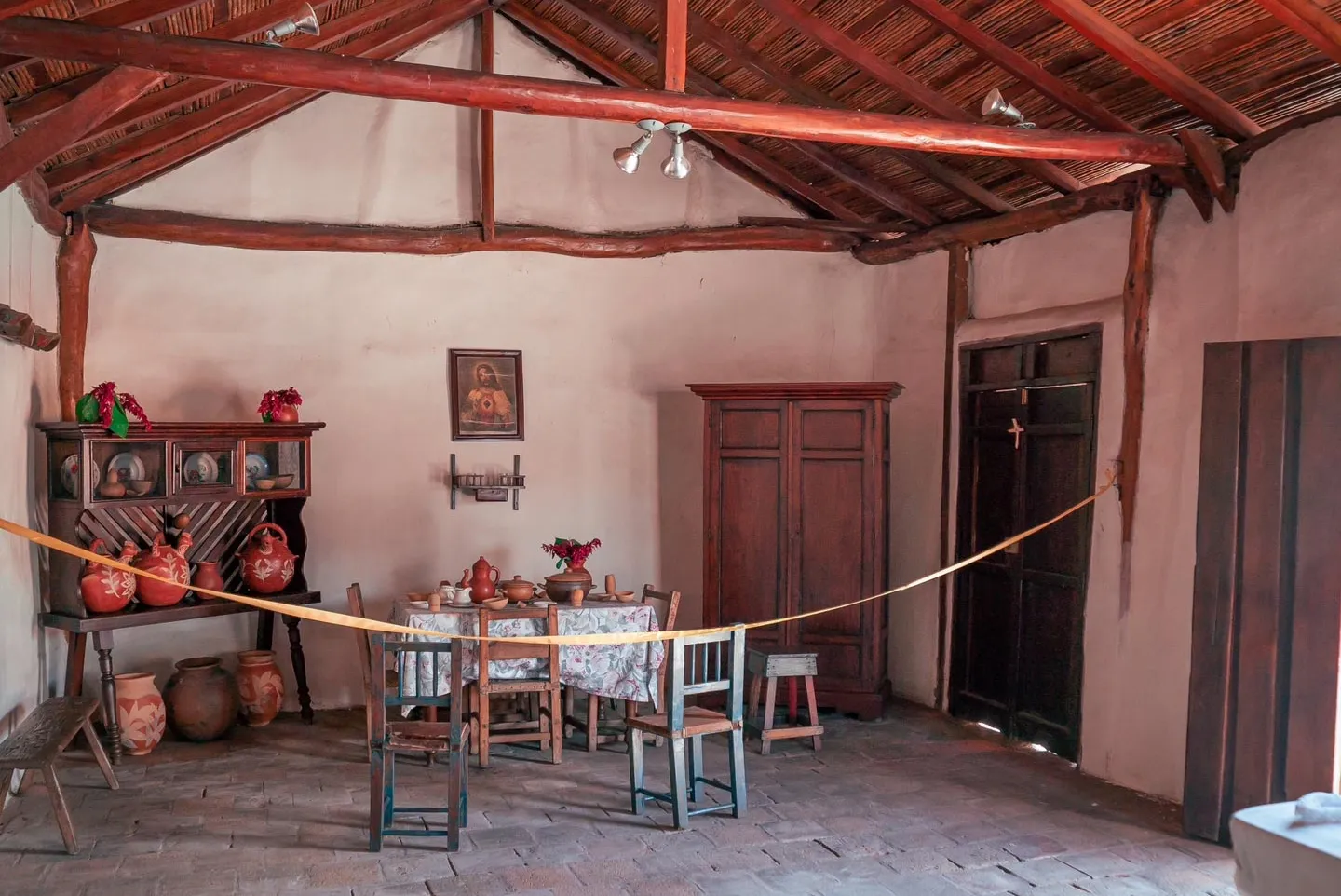
Audio Guide of Rubén Darío Museum

¿Sabías que el poeta que revolucionó la literatura hispana nació en una casita de adobe y terminó mendigando en las calles? Ven, te cuento los jugosos detalles.

✓ What guidebooks don't tell you
✓ Secrets other tourists miss
✓ Listen while you explore
Discover everything
00:00
00:00
Rate this audio guide

📖 Audio Guide Chapters

6 chapters

1. The prodigy born into extreme poverty

🔒 Premium Content

Subscribe to access all chapters of this audio guide.

2. Walls whispering modernist verse

🔒 Premium Content

Subscribe to access all chapters of this audio guide.

3. Family betrayals and runaway passions

🔒 Premium Content

Subscribe to access all chapters of this audio guide.

4. Oddities the guidebooks hide

🔒 Premium Content

Subscribe to access all chapters of this audio guide.

5. With a magnifying glass: marks that shout stories

🔒 Premium Content

Subscribe to access all chapters of this audio guide.

6. The legacy beating in your chest

🔒 Premium Content

Subscribe to access all chapters of this audio guide.

❓ Frequently Asked Questions

What are the opening hours of the Rubén Darío Museum, and how can I visit it?

The Rubén Darío Museum in Ciudad Darío, also known as the Birthplace of Rubén Darío, is usually open from Tuesday to Sunday, although it is advisable to check the exact hours as they may vary. We suggest contacting the museum directly to confirm. You can get there by public transport or taxi from nearby cities.More information here.

Is there an admission fee to visit the Rubén Darío Museum, or is it free?

Generally, access to the Birthplace of Rubén Darío in Ciudad Darío is free or has a symbolic fee for the maintenance of the site. However, it is always a good idea to be prepared for a small donation or a minimal entrance fee that helps preserve this important cultural legacy.

How much time should I set aside for my visit to the Rubén Darío Museum to explore it properly?

To fully enjoy the Birthplace of Rubén Darío, we recommend setting aside between 45 minutes and 1 hour and 30 minutes. This will allow you to walk through the different rooms at a relaxed pace, learn about the poet's life, and appreciate the objects on display without rushing.

How important is this museum to the history and culture of Nicaragua?

This museum is extremely important, as it is the birthplace of Rubén Darío, the 'Prince of Castilian Letters' and father of literary Modernism. Visiting it means immersing yourself in the origins of Nicaragua's greatest poet and understanding his legacy in Spanish American and world literature.

What would be the best time of day or year to visit the Rubén Darío Museum?

For a more pleasant experience, we recommend visiting the museum early in the morning or in the middle of the afternoon to avoid the strongest heat. As for the time of year, the dry season, from November to April, is usually more comfortable for traveling around Nicaragua, although the museum can be visited year-round.

Is the Rubén Darío Museum accessible for people with reduced mobility?

The Birthplace of Rubén Darío, like many historic buildings, may have some limitations for visitors with reduced mobility due to its original structure. Even so, we recommend contacting the museum directly to ask about ramps or any specific facilities they may offer. You can look for their phone number in the tourist directories of Matagalpa or Ciudad Darío.

Are there other attractions or interesting places to visit near Ciudad Darío after the museum?

Absolutely! Ciudad Darío is in the Matagalpa region, known for its coffee-growing landscapes. You can explore nearby coffee estates, visit Ciudad Darío Central Park, or even head toward the city of Matagalpa to see the Matagalpa Cathedral.

Any practical tips to make the most of my visit to the Rubén Darío Museum?

Wear comfortable shoes, as you will explore the museum on foot. If local guides are available, do not hesitate to hire them, as they will give you a richer perspective. Also, get ready to immerse yourself in the atmosphere of 19th-century Nicaragua, and do not forget your camera to capture this piece of literary history!

¿Prefieres escuchar en español?

🇪🇸 Escucha la audioguía de Rubén Darío Museum en español