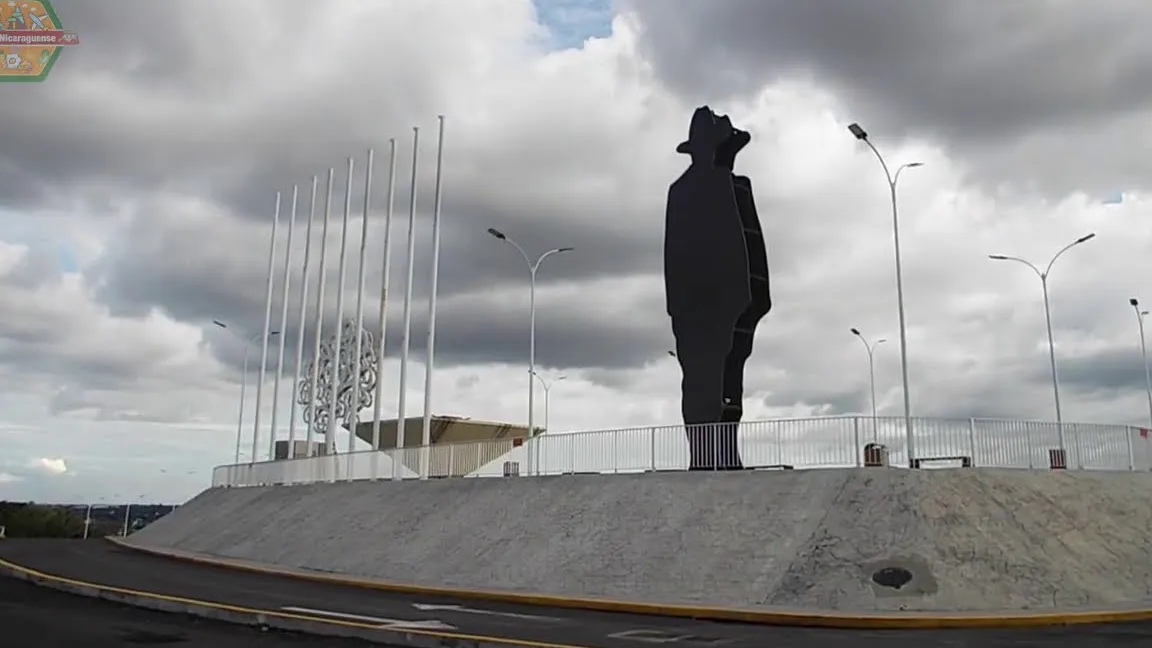


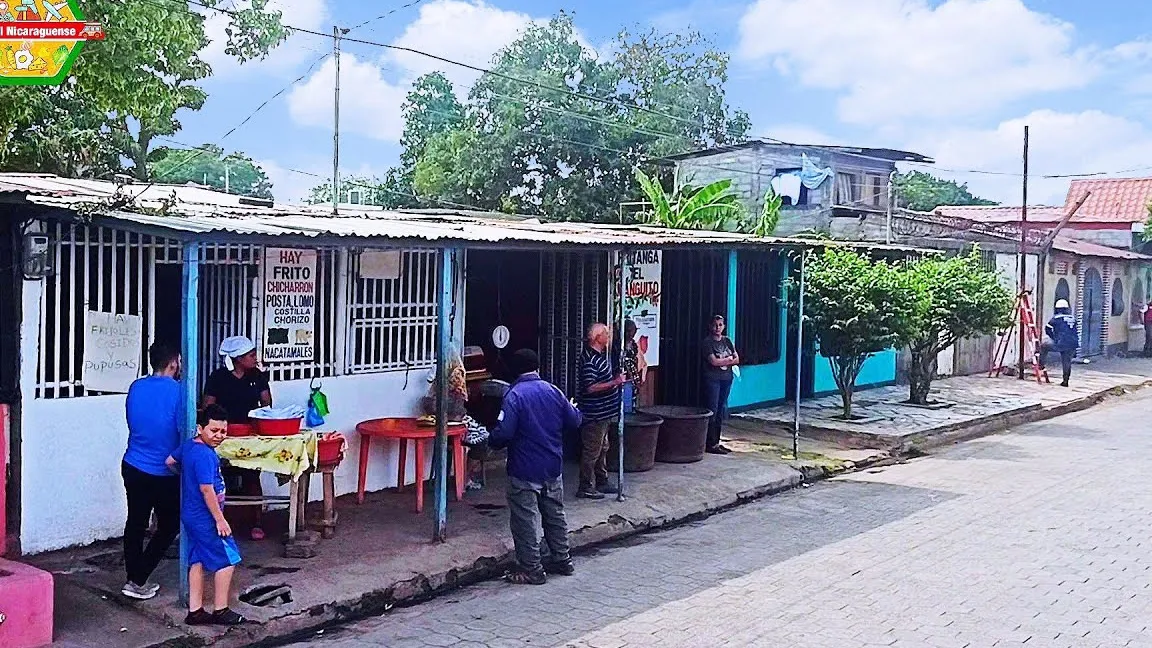
¿Sabías que un buey con sombrero derrotó a un ejército invasor? La astucia de Tipitapa que nadie olvida.
The Tipitapa Historical Museum is open Monday to Saturday, from 9:00 AM to 5:00 PM. For a smooth visit, I recommend arriving early in the morning. Although there is no official reservation system, if you are visiting in a group, it is always a good idea to contact them in advance to ensure the best experience. You can try to find their contact information through the local city hall or tourism directories.
Admission to the Tipitapa Historical Museum is generally free to the public. However, it is always an excellent idea to ask on arrival whether they accept voluntary donations for the maintenance and preservation of their collections. This helps support the museum and the sharing of local history.
To fully enjoy the exhibitions at the Tipitapa Historical Museum, I suggest setting aside between 1 and 2 hours. This will allow you to calmly appreciate the artifacts, read the information, and take in the historical richness the place offers without rushing.
The Tipitapa Historical Museum is a key place for understanding the historical and cultural richness of the region. It houses collections that tell the story from pre-Columbian Indigenous settlement to significant events in the history of Nicaragua, including aspects of the Battle of Tipitapa in 1926. It is a living testimony to the community’s past.
The best time to visit the Tipitapa Historical Museum is during Nicaragua’s dry season, from November to April, when the weather is more pleasant. Regardless of the season, I recommend visiting early in the morning to avoid the midday heat and enjoy a quieter experience, especially if there are school groups.
The infrastructure of historical museums in Nicaragua can sometimes have limitations when it comes to full accessibility. Although the Tipitapa Historical Museum strives to be welcoming, it is advisable to contact them directly before your visit to ask about ramps, elevators, or any other facilities for people with reduced mobility. You can look for contact information in local tourism directories for Tipitapa.
Near the Tipitapa Historical Museum, you can explore the famous Tipitapa Bridge, an important historical landmark. I also recommend visiting the Aguas Calientes Hot Springs, known for their healing properties, and the Las Piedrecitas Natural Park, ideal for some leisure time. Do not forget to ask locals about their favorite spots; you always discover hidden gems.
For the best experience, wear comfortable shoes and bring a bottle of water, especially if you visit during the hot season. Be respectful of the museum’s rules and do not hesitate to interact with the staff or guides, as their local knowledge will enrich your visit. Consider bringing a notebook to jot down interesting facts or the names of artifacts that catch your attention. And above all, enjoy immersing yourself in the history of Tipitapa. If you enjoy history, the audio guide we can offer may make your visit even more enriching; imagine a carefully curated narrative accompanying you every step of the way.
¿Prefieres escuchar en español?
🇪🇸 Escucha la audioguía de the Monument to General José Dolores Estrada en español