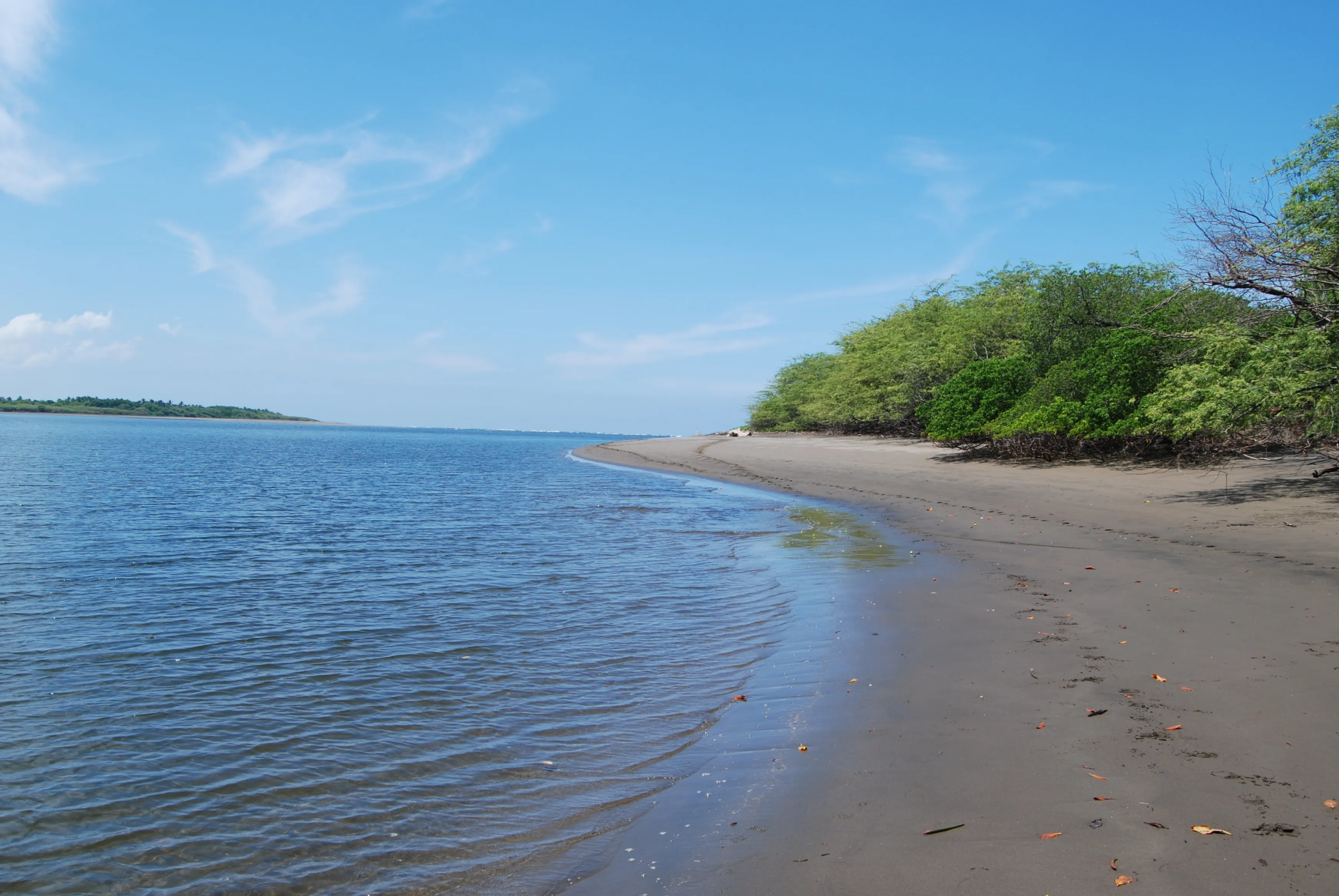
Un vasto humedal costero en Chinandega, Nicaragua, donde manglares, lagunas y bosques secos albergan una rica biodiversidad de aves, reptiles y vida marina.
The refuge is open all day year-round, but visiting between 6:00 AM and 5:00 PM is recommended for greater safety. It is reached from Chinandega (1.5 hours by vehicle) by taking the road toward El Viejo and then turning off at the community of Padre Ramos. There is no direct public transportation, so hiring local transport or going in your own vehicle is recommended.
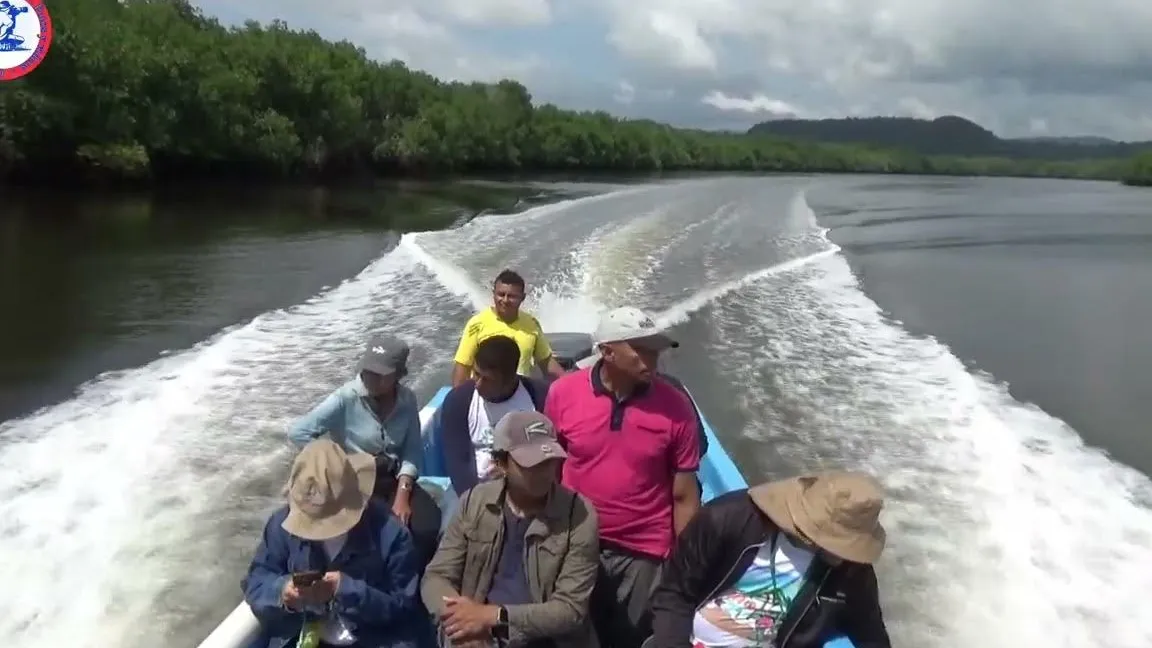
Admission is free because it is a protected area with public access. However, hiring a community guide is recommended (approximate cost: USD 15-25 per group) for mangrove tours or wildlife watching. More information on the MARENA website.
A basic visit takes 2-3 hours, but if you include kayaking through the mangroves, birdwatching, and a trip to the sea turtle nesting beaches, plan for 5-6 hours. Full excursions usually last all day.
It is the largest wetland in Central America (100 km²), listed as a Ramsar site since 2011. It shelters 70% of the olive ridley turtles on the Pacific coast that arrive in Nicaragua, as well as 23 species of mangroves and 187 types of migratory birds. Its ecosystem is vital for local communities.
From July to December (peak in September-October), especially during nighttime mass nesting events. The dry season (November-April) is ideal for birdwatching. Avoid May to October if you do not tolerate heavy rain.
No. The terrain includes uneven trails, swampy areas, and soft-sand beaches. Access to viewpoints and wooden walkways requires some physical effort. It is recommended to check with local operators about adapted tours.
Cosigüina Volcano is 40 minutes away, with a viewpoint over the Gulf of Fonseca. Also nearby are the beaches of Jiquilillo (surfing), Salinas Grandes (traditional salt flats), and El Viejo with its Minor Basilica. More info at INTUR.
Essential: sunscreen, mosquito repellent, sturdy closed-toe water-resistant shoes, binoculars, and cash in córdobas (there are no ATMs). Recommended: a rain poncho, energy snacks, and dry bags to protect electronic equipment during kayak trips.
¿Prefieres escuchar en español?
🇪🇸 Escucha la audioguía de Padre Ramos Wildlife Refuge en español