
No te vayas sin conocer la historia Suscribete
IAudioGuia iaudioguia
Audio Guides of Heerlen

Audio Guide of Thermen Museum

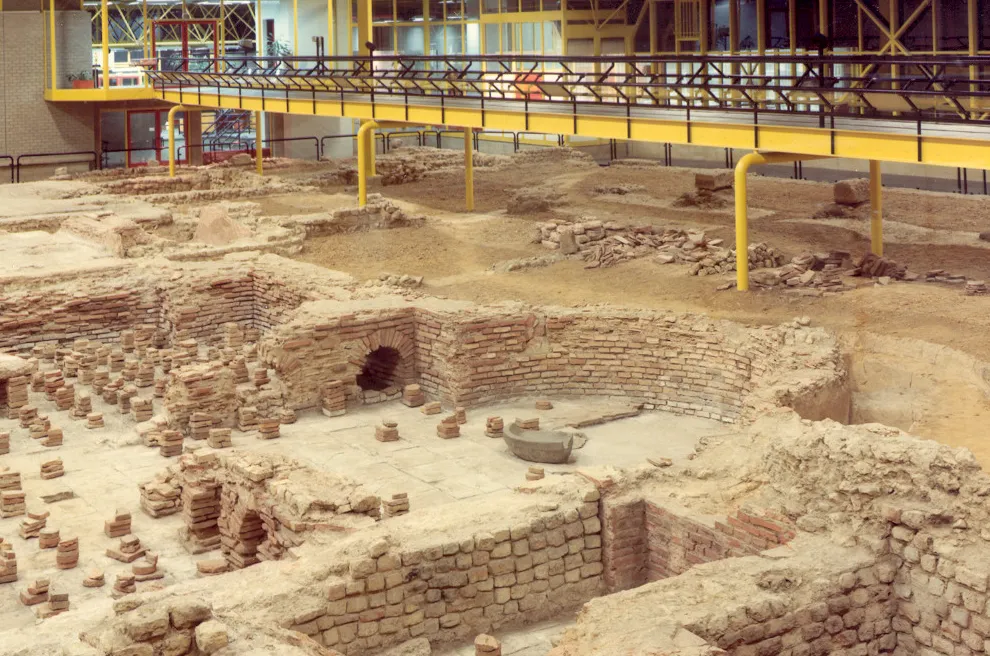
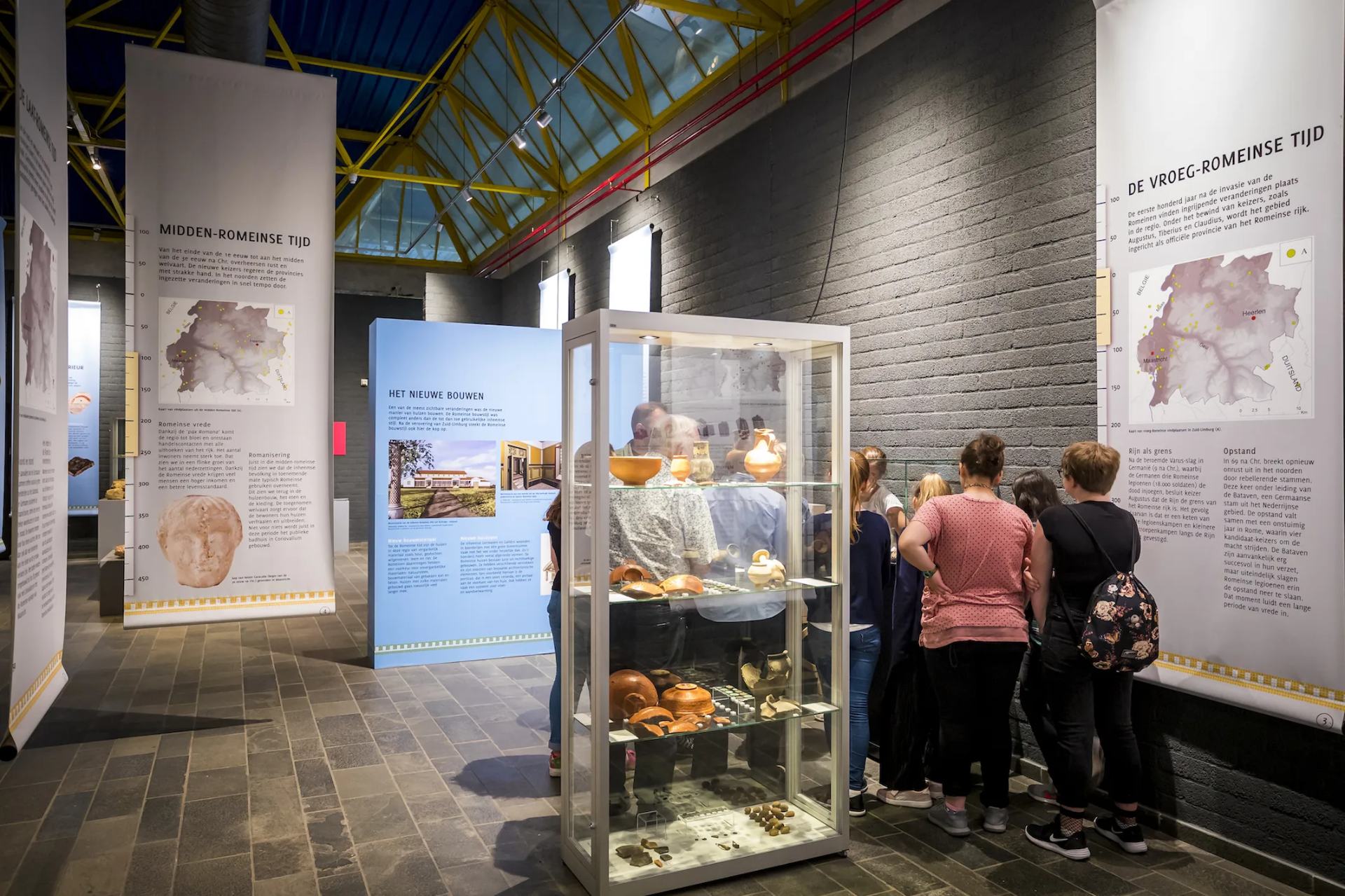
A journey into Heerlen’s Roman past, exploring the remains of the ancient public baths and everyday life in the province of Germania. A legacy of well-being and civilization in the heart of Limburg.

✓ What guidebooks don't tell you
✓ Secrets other tourists miss
✓ Listen while you explore
Discover everything
00:00
00:00
Rate this audio guide

📖 Audio Guide Chapters

6 chapters

1. Introduction and History

🔒 Premium Content

Subscribe to access all chapters of this audio guide.

2. Architecture and Design

🔒 Premium Content

Subscribe to access all chapters of this audio guide.

3. Art and Decoration

🔒 Premium Content

Subscribe to access all chapters of this audio guide.

4. Historical Figures

🔒 Premium Content

Subscribe to access all chapters of this audio guide.

5. Curiosities and Legends

🔒 Premium Content

Subscribe to access all chapters of this audio guide.

6. Cultural Importance and Legacy

🔒 Premium Content

Subscribe to access all chapters of this audio guide.

❓ Frequently Asked Questions

What are the opening hours of the Thermenmuseum and how can I get there?

The Thermenmuseum in Heerlen is open Tuesday to Sunday from 10:00 a.m. to 5:00 p.m. and is closed on Mondays. To get there, you can take the train to Heerlen station and walk about 10 minutes, or arrive by car with parking available nearby; check the map on the official website for precise directions.

How much does admission to the Thermen Museum cost, and are discounts available?

Admission costs 7.50 euros for adults, is free for children under 12, and offers discounts for students and people over 65 (around 6 euros). There is also a combined ticket for 12.50 euros that includes other Roman sites in Heerlen; check updated details on the tickets page.

How much time is needed to visit the Thermenmuseum?

It is recommended to allow between 1 and 2 hours for a full visit, depending on whether you choose the audio guide or explore at your own pace. This gives you enough time to see the Roman excavations without rushing, and if you are passionate about history, you may want to stay a little longer.

What is the historical importance of the Thermenmuseum?

The Thermenmuseum preserves the ruins of the Roman baths of Coriovallum, built in the 2nd century AD, which were a key social center in the ancient Roman province of Germania Inferior. This site offers a unique insight into everyday Roman life in the Netherlands, with well-preserved mosaics and artifacts that highlight its cultural and architectural role.

What is the best time of year or day to visit the Thermenmuseum?

Spring (April to June) or autumn (September to October) are ideal for avoiding crowds and enjoying pleasant weather in Heerlen. Visit early in the morning, around 10:00 a.m., for a quieter experience before tour groups arrive.

Is the Thermenmuseum accessible for people with reduced mobility?

Yes, the museum is accessible, with ramps, elevators, and paved paths in the outdoor excavation areas; wheelchairs are available to borrow free of charge. For specific details or assistance, contact +31 45 571 7970 or visit the accessibility section on its website.

What other attractions are near the Thermenmuseum?

Nearby you will find the Roman Bath Tower (just 200 meters away), an ancient Roman monument, and the Roman Center in Heerlen, a 10-minute walk away, with more exhibitions on Roman history. You can also explore Heerlen’s historic center or nearby Valkenburg with its caves, ideal for a full day of sightseeing.

What are some practical tips for my visit to the Thermen Museum?

Wear comfortable shoes for walking through the outdoor archaeological areas and consider renting an audio guide for 3 euros for a more immersive experience. Avoid weekends if you prefer fewer people, and book tickets online in advance at thermenmuseum.nl during high season to save time.

¿Prefieres escuchar en español?

🇪🇸 Escucha la audioguía de Thermen Museum en español