No te vayas sin conocer la historia Suscribete
IAudioGuia iaudioguia
Audio Guides of Groningen

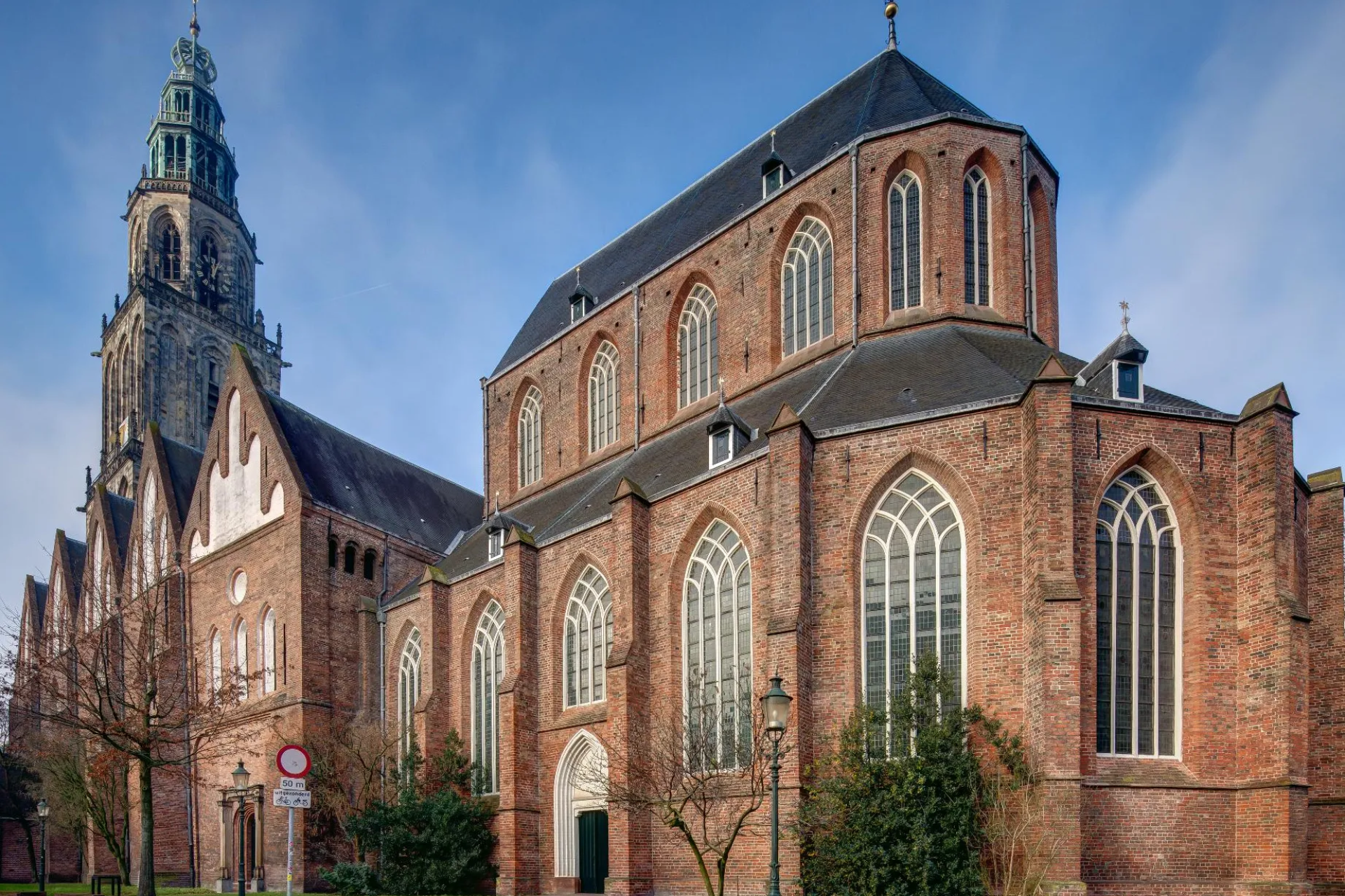
Audio Guide of the Martinikerk

¿Sabías que esta torre sobrevivió a bombas aliadas, rayos divinos y asedios épicos? Escucha sus secretos mientras paseas por su sombra imponente.

✓ What guidebooks don't tell you
✓ Secrets other tourists miss
✓ Listen while you explore
Discover everything
00:00
00:00
Rate this audio guide

📖 Audio Guide Chapters

6 chapters

1. The bomb that almost wiped it off the map

🔒 Premium Content

Subscribe to access all chapters of this audio guide.

2. Stones whispering centuries of sweat

🔒 Premium Content

Subscribe to access all chapters of this audio guide.

3. Buried nobles, forbidden loves, and betrayals

🔒 Premium Content

Subscribe to access all chapters of this audio guide.

4. The wild carillon and facts that will make you laugh out loud

🔒 Premium Content

Subscribe to access all chapters of this audio guide.

5. Sharp eyes: marks the average tourist misses

🔒 Premium Content

Subscribe to access all chapters of this audio guide.

6. Your unforgettable memory to share over dinner

🔒 Premium Content

Subscribe to access all chapters of this audio guide.

❓ Frequently Asked Questions

What are the opening hours of the Martinikerk in Groningen and how can I get there?

The Martinikerk is open for tourist visits from Tuesday to Saturday from 11:00 a.m. to 5:00 p.m., and on Sundays only for religious services. To get there, it is located in the heart of Groningen, about a 10-minute walk from the central station; check the official website for updated hours or guided tours.

How much does admission to the Martinikerk cost, and are there any free options?

Admission to the Martinikerk is free, although a voluntary donation is recommended for its upkeep. If you choose a guided tour, the cost is around 5–10 euros per person; check details on the official website.

How much time is recommended for a visit to the Martinikerk?

A typical visit lasts between 30 and 60 minutes, allowing you to explore the architecture and interior at a relaxed pace. If you also climb the tower for panoramic views, add another 20–30 minutes; plan according to your pace so you do not get tired.

What is the historical and cultural significance of the Martinikerk in Groningen?

The Martinikerk, built in the 15th century in Gothic style, is an icon of Groningen and has been the city’s religious center for centuries, hosting key events such as royal weddings and concerts. It represents the rich Protestant heritage of the Netherlands, and its 97-meter tower is a recognizable landmark; more history is available on the official website.

What is the best time of year or day to visit the Martinikerk?

The best time is during spring (April–June) or autumn (September–October), when the weather is pleasant and there are fewer tourists. Choose mornings to avoid crowds and enjoy the natural light in the stained-glass windows; avoid weekends if you are looking for peace and quiet.

Is the Martinikerk accessible for people with reduced mobility?

Yes, it has an access ramp at the main entrance and elevators to go up the tower, although some historic areas may have steps. For assistance, contact +31 50 311 1308 or visit the official website for specific details.

What other attractions near the Martinikerk are worth seeing?

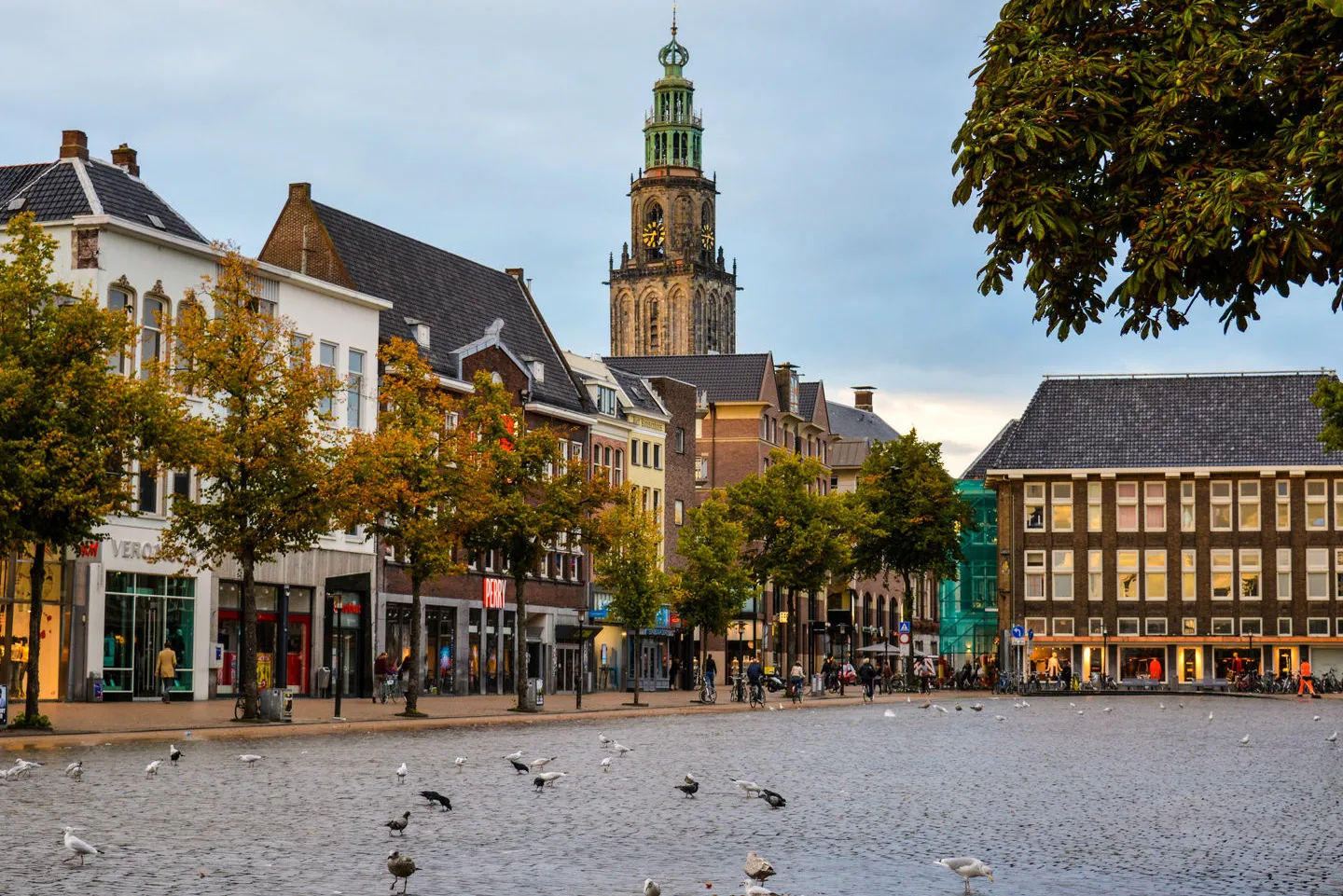
Nearby you will find the Grote Markt with its Renaissance city hall and local markets, just a few steps away. The Groningen Museum is also a 5-minute walk away, ideal for more culture; explore everything on the Groningen tourism website.

Any practical tips to make the most of my visit to the Martinikerk?

Wear comfortable shoes for walking on the stone interior floor and check whether there are concerts or special events on the official website calendar. Download an audio guide app in English if you prefer not to join a group tour, and combine the visit with a coffee in the nearby square for a complete experience.

¿Prefieres escuchar en español?

🇪🇸 Escucha la audioguía de the Martinikerk en español