No te vayas sin conocer la historia Suscribete
IAudioGuia iaudioguia
Audio Guides of Ouzoud

Audio Guide of the Traditional Water Mills of Ouzoud

Antiguos molinos hidráulicos beréberes enclavados en las cascadas de Ouzoud, Marruecos, testigos de la ingeniería tradicional y la vida rural del Atlas Medio.

✓ What guidebooks don't tell you
✓ Secrets other tourists miss
✓ Listen while you explore
Discover everything
00:00
00:00

📖 Audio Guide Chapters

6 chapters

1. Welcome to the Traditional Water Mills of Ouzoud

🔒 Premium Content

Subscribe to access all chapters of this audio guide.

2. The Architecture of the Traditional Water Mills of Ouzoud

🔒 Premium Content

Subscribe to access all chapters of this audio guide.

3. History and Figures of the Traditional Water Mills of Ouzoud

🔒 Premium Content

Subscribe to access all chapters of this audio guide.

4. Art and Details of the Traditional Water Mills of Ouzoud

🔒 Premium Content

Subscribe to access all chapters of this audio guide.

5. Secrets and Curiosities

🔒 Premium Content

Subscribe to access all chapters of this audio guide.

6. Farewell and Recommendations

🔒 Premium Content

Subscribe to access all chapters of this audio guide.

❓ Frequently Asked Questions

What time do the traditional water mills in Ouzoud open, and how can I get there?

The Traditional Water Mills in Ouzoud are essentially part of the natural landscape and local life, so they do not have fixed opening and closing hours like a museum. You can visit them during the day. They are located near the Ouzoud Waterfalls; the easiest way to get there is by private car or shared taxi from Azilal or Marrakesh, and then walk a short distance along the paths near the waterfalls. It is always advisable to hire a local guide for a more complete and safer experience. For a hassle-free visit, you can look for waterfall tour offers online, such as these trips to Ouzoud from Marrakesh: GetYourGuide Tours.

Do I have to pay an entrance fee to see the traditional water mills?

There is no specific entrance fee to see the traditional water mills, as they are part of the area's rural landscape. However, you may come across local guides who offer explanations in exchange for a tip, or nearby business owners who invite you to see them if you buy something. Consider supporting the local economy; a small tip is always appreciated.

How long does it take to visit the mills if I want to see them properly and without rushing?

Spending about 30 to 60 minutes exclusively on the mills will allow you to observe them calmly and understand how they work, especially if you interact with a local resident. However, the visit to the mills is usually part of a trip to the Ouzoud Waterfalls, where you could easily spend half a day or even a full day enjoying the scenery, the monkeys, and the local restaurants.

What is the history or cultural importance of these water mills in Ouzoud?

These traditional mills are a living testimony to local ingenuity and the resilience of Berber communities. They have been used for centuries to grind grain and produce olive oil, harnessing the power of the rivers that feed the waterfalls. Their importance lies in how they reflect human adaptation to the natural environment and the sustainability of ancestral agricultural practices in the Azilal region.

Is there a best time of year or time of day to visit the mills and enjoy the experience more?

The best time to visit is during spring, from March to May, or autumn, from September to November, when the weather is milder and nature is at its best. To avoid crowds, I recommend going early in the morning. Midday in summer can be quite hot and busier, although it is still a good time to enjoy the cool microclimate near the waterfalls. You can check the weather forecast for Ouzoud here: AccuWeather Ouzoud Forecast.

Are the mills accessible for people with reduced mobility or those using a wheelchair?

Unfortunately, the terrain around the mills and the waterfalls is quite uneven, with dirt paths, stairs, and slopes. This makes accessibility for people with reduced mobility or wheelchair users very limited or almost impossible in some areas. I suggest checking with local guides to see whether they offer any alternative or adapted route, but in general, this is not an environment prepared for that.

What other interesting things can I see or do near the water mills?

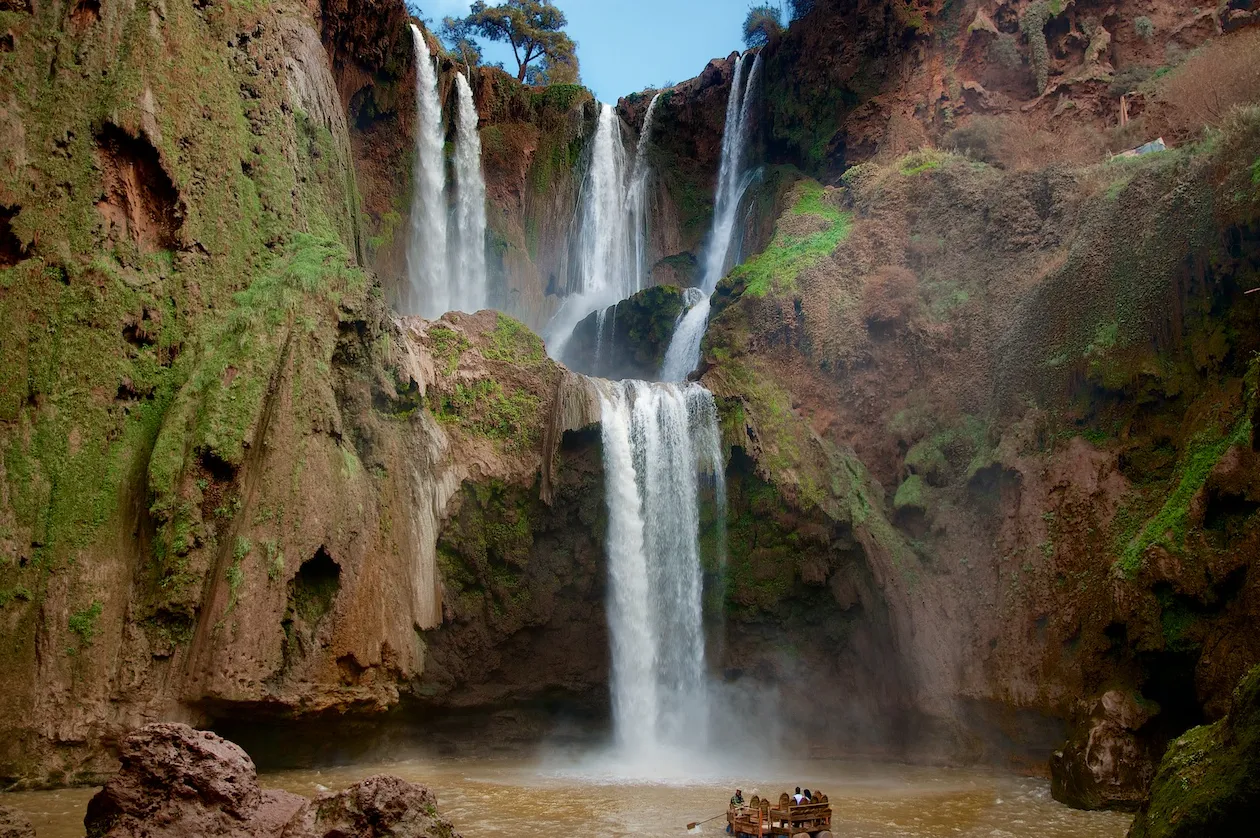
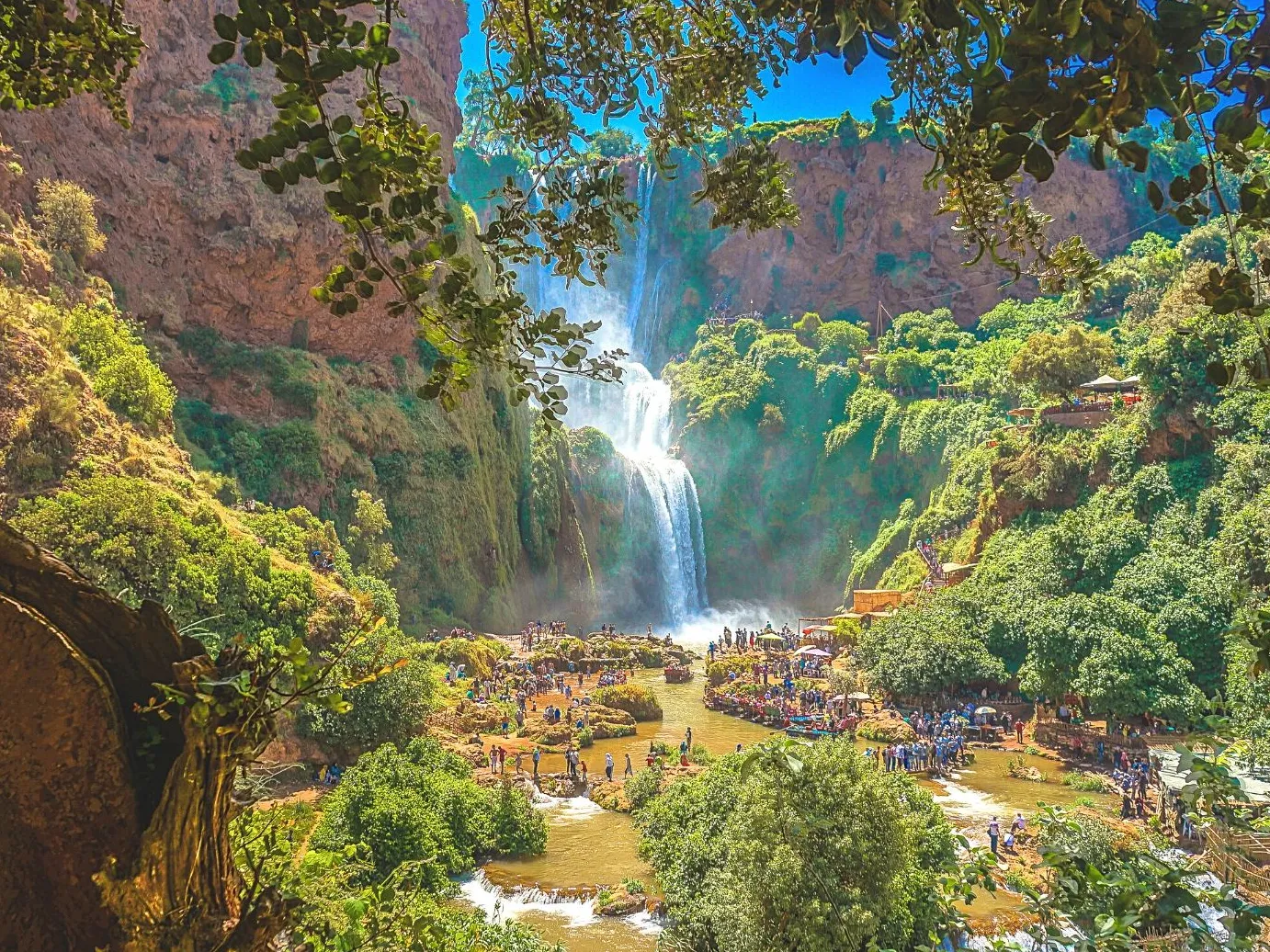
The main nearby attraction is, without a doubt, the spectacular Ouzoud Waterfalls, the highest in Morocco. In addition, you can take a boat ride at the base of the falls, spot the famous Barbary macaques, enjoy local cuisine in restaurants with panoramic views, and even swim in the natural pools. There are also small Berber villages with local markets that are worth exploring.

Any practical tips to make the most of my visit to the mills and the surrounding area?

I recommend wearing comfortable, non-slip shoes, suitable walking clothes, and a hat or cap. Do not forget your camera to capture the beauty of the place, and bring some water. If you get close to the monkeys, avoid feeding them directly and keep your belongings safe. Consider hiring a local guide for insider knowledge and, above all, immerse yourself in the tranquility of the surroundings. Also bring some cash for tips or small local purchases.

¿Prefieres escuchar en español?

🇪🇸 Escucha la audioguía de the Traditional Water Mills of Ouzoud en español