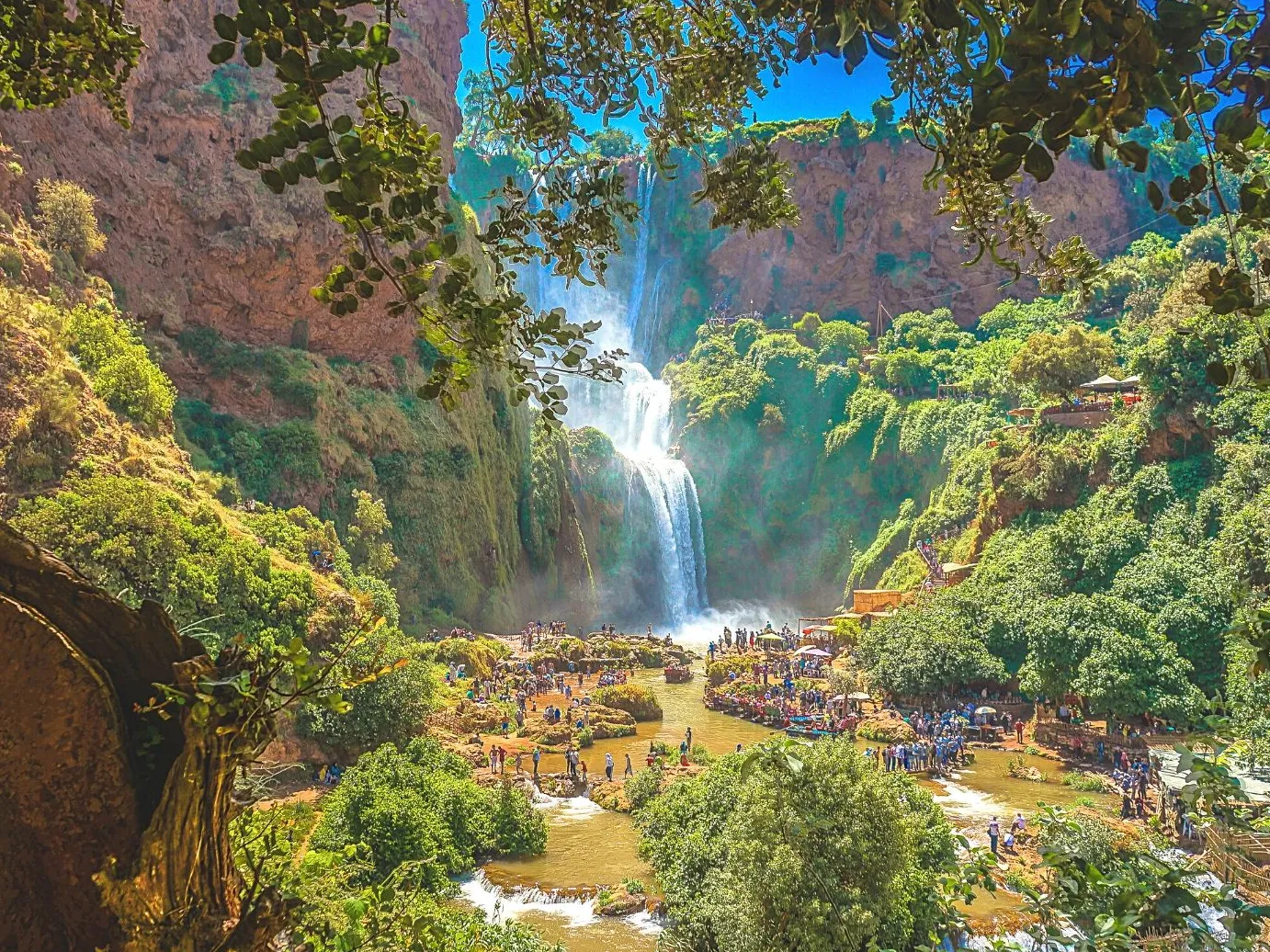
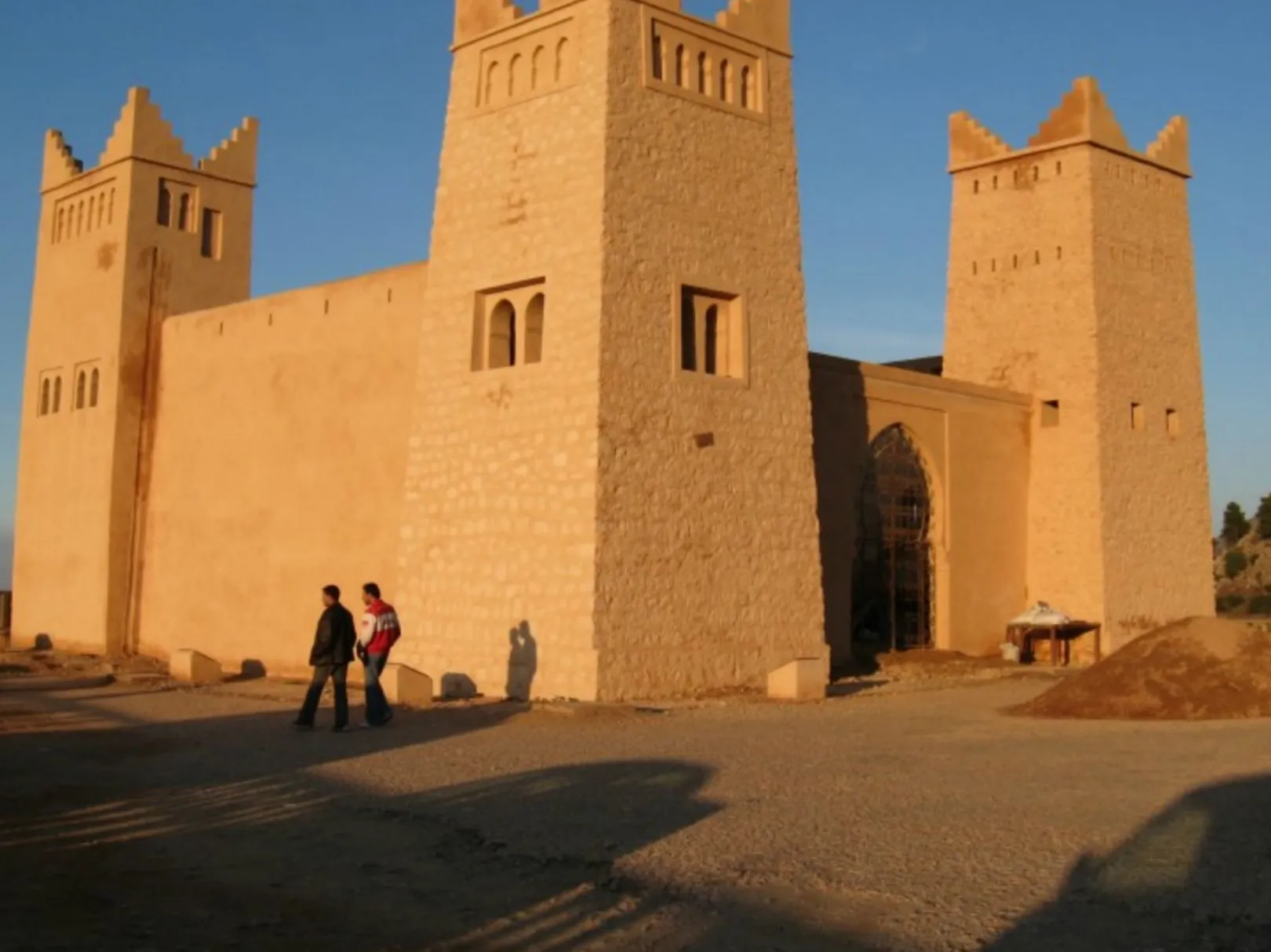
Aldea tradicional amazigh enclavada en las montañas del Atlas Medio, cerca de las cascadas de Ouzoud, donde la cultura bereber se preserva en casas de adobe y tradiciones milenarias.
As these are inhabited villages and natural areas, they do not have strict closing hours, but visiting during daylight hours is strongly recommended (approximately 9:00 a.m. to 6:00 p.m.). Access is usually on foot via trails starting from the upper or lower area of the Ouzoud Falls.
Access to the villages is completely free; there are no ticket offices or official tickets. However, it is common to leave a tip for local guides or pay for services such as traditional tea or freshly baked bread in local homes.
Ideally, you should allow between 2 and 3 hours for this part of the excursion. This gives you enough time for the hike, to enjoy the traditional architecture, and to take a break without rushing.
They represent the resilience and adaptation of Amazigh culture in the Middle Atlas. You will be able to observe ancestral construction techniques using adobe and stone, as well as an agricultural way of life that has remained authentic for centuries.
Spring (March to May) is spectacular because of the greenery of the landscape. During the day, we suggest going early in the morning to avoid the intense midday heat and find the trails less crowded.
It is not recommended. The terrain is mountainous, uneven, and full of steep slopes and natural steps, which makes comfortable passage practically impossible for wheelchairs or people with mobility difficulties.
The main attraction is undoubtedly the famous Ouzoud Falls. In addition, you can explore the river source and the extensive olive groves that give the area its name ('Ouzoud' means olive in Berber).
Wear closed sports shoes with good grip, as the ground can be slippery. Also, bring small change for tips and keep an eye on your belongings if you encounter the local macaque monkeys.
¿Prefieres escuchar en español?
🇪🇸 Escucha la audioguía de Berber Villages en español