No te vayas sin conocer la historia Suscribete
IAudioGuia iaudioguia
Audio Guides of Marrakesh

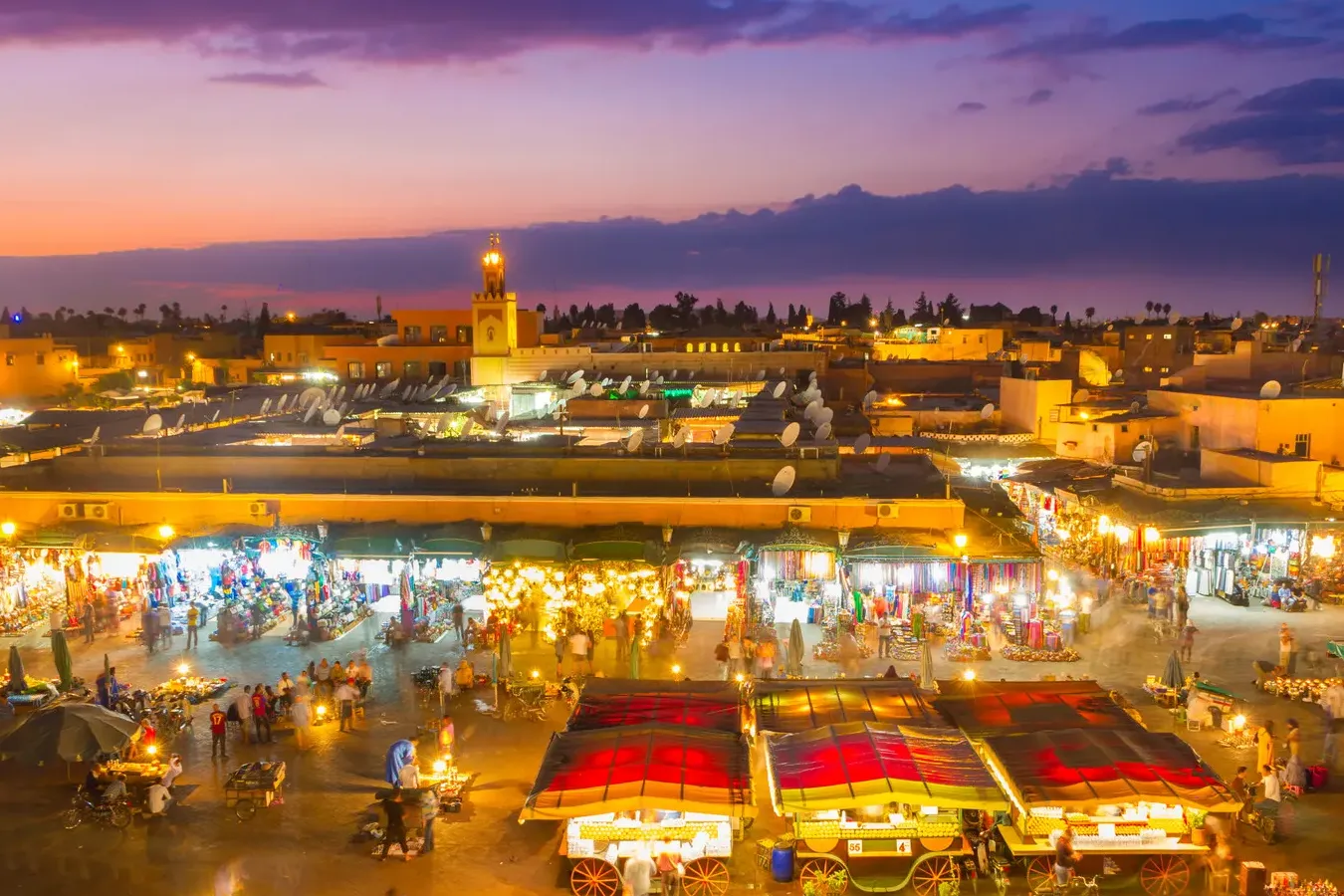
Audio Guide of Jemaa el-Fnaa Square

Donde las piedras guardan ecos de ejecuciones, estafas millonarias y 1001 noches en directo.

✓ What guidebooks don't tell you
✓ Secrets other tourists miss
✓ Listen while you explore
Discover everything
00:00
00:00

📖 Audio Guide Chapters

6 chapters

1. The Spectacle of Royal Heads

🔒 Premium Content

Subscribe to access all chapters of this audio guide.

2. The Almohad Sundial

🔒 Premium Content

Subscribe to access all chapters of this audio guide.

3. The Swindler Who Bought the Square

🔒 Premium Content

Subscribe to access all chapters of this audio guide.

4. World Heritage... Live

🔒 Premium Content

Subscribe to access all chapters of this audio guide.

5. Detective of the Invisible

🔒 Premium Content

Subscribe to access all chapters of this audio guide.

6. Tea Time with the Spirits

🔒 Premium Content

Subscribe to access all chapters of this audio guide.

❓ Frequently Asked Questions

Does Jemaa el-Fnaa Square have specific opening hours, and do you have to pay to enter?

Not at all! Jemaa el-Fnaa Square is a public space and is open 24 hours a day, 7 days a week, completely free of charge. It is the beating heart of Marrakesh, and there is always something to see, although its true magic comes alive at sunset.

I’ve heard it’s a very lively place. How much time should I plan for my visit to Jemaa el-Fnaa to really soak up the atmosphere?

To enjoy the full experience and see the square transform from day to night, I recommend setting aside at least 2 to 3 hours, especially around sunset and in the early evening. This is the peak time, when storytellers, musicians, and street food stalls are at their liveliest.

What is the history behind Jemaa el-Fnaa Square? It seems like a place with a lot of meaning.

Absolutely. Jemaa el-Fnaa Square is not just a square; it is UNESCO Intangible Cultural Heritage. Its name means 'assembly of the dead,' referring to the public executions of the past, but today it is a vibrant center of life, culture, and oral tradition. To explore more about its rich history, I suggest visiting the UNESCO page: The Cultural Space of Jemaa el-Fnaa Square.

Is there a better time of year or day to visit Jemaa el-Fnaa Square and avoid the crowds or excessive heat?

The best time to visit Marrakesh and enjoy Jemaa el-Fnaa is in spring (April-May) or autumn (September-October), when temperatures are milder. The best time of day, without a doubt, is at sunset, when the square fills with life and the temperature is more pleasant. Avoid the middle of the day in summer because of the extreme heat.

My grandmother uses a wheelchair. Is Jemaa el-Fnaa Square accessible for people with reduced mobility?

Jemaa el-Fnaa Square is, for the most part, a large open-air paved esplanade, which makes wheelchair access easier. However, the nearby souk alleyways can be uneven and crowded. For a better experience, I recommend going with someone and perhaps avoiding the busiest hours.

What other attractions or places of interest are near Jemaa el-Fnaa Square that I could visit on the same day?

You are in the heart of it all! Right next to the square, you can explore the labyrinthine Souks of Marrakesh, admire the imposing Koutoubia Mosque and its minaret (not open inside to non-Muslims, but impressive from the outside), or relax in the nearby Majorelle Garden (a short taxi ride away). Everything is within walking distance or just a few minutes away.

I want to make the most of my visit to Jemaa el-Fnaa Square. Any practical advice for a first-time visitor?

Of course! Stay aware of your surroundings, always bargain when buying something, as it is part of the culture, and be respectful when taking photographs, especially of performers and vendors; it is a good idea to ask permission or leave a small tip. Try the street food, it is delicious, but make sure it is well cooked and served hot. And enjoy the unique atmosphere!

I understand it’s a very lively place, but do you have any recommendations on where to eat or have dinner that is safe and representative of local food?

Of course! For an authentic evening experience, the food stalls in the center of Jemaa el-Fnaa are a must. Look for stalls with a 'Quality Certificate' awarded by the local authorities, and choose those that are busiest, as this is usually a good sign of freshness and flavor. Ask locals if you are unsure. And do not leave without trying harira or tanjia!

¿Prefieres escuchar en español?

🇪🇸 Escucha la audioguía de Jemaa el-Fnaa Square en español