No te vayas sin conocer la historia Suscribete
IAudioGuia iaudioguia
Audio Guides of Dakhla

Audio Guide of Khnifiss Nature Reserve

A protected natural area in Morocco, a coastal wetland of great ecological value and biodiversity.

✓ What guidebooks don't tell you
✓ Secrets other tourists miss
✓ Listen while you explore
Discover everything
00:00
00:00
Rate this audio guide

📖 Audio Guide Chapters

6 chapters

1. Introduction and History

🔒 Premium Content

Subscribe to access all chapters of this audio guide.

2. Fauna and Flora

🔒 Premium Content

Subscribe to access all chapters of this audio guide.

3. Geology and Landscape

🔒 Premium Content

Subscribe to access all chapters of this audio guide.

4. Conservation and Challenges

🔒 Premium Content

Subscribe to access all chapters of this audio guide.

5. Experiences and Activities

🔒 Premium Content

Subscribe to access all chapters of this audio guide.

6. Cultural Relevance and Future

🔒 Premium Content

Subscribe to access all chapters of this audio guide.

❓ Frequently Asked Questions

What are the opening hours and how can I get to Khnifiss Nature Reserve from Dakhla?

The reserve is open year-round, 24 hours a day, as it is a protected natural area without fixed opening times, though visiting during daylight hours is recommended for safety. To get there, drive about 30 km north of Dakhla on the N1 road to the village of Khnifiss; renting a 4x4 is best for the sandy tracks. Check local guides or the official Morocco tourism website at Visit Morocco for updated maps.

How much is admission to Khnifiss Nature Reserve? Is it free?

Entry to the reserve is free, as it is a protected area managed by the Moroccan government with no mandatory access fees. However, if you hire a local guide, the cost may range from 200 to 500 Moroccan dirhams per group. For more details, contact the Dakhla tourist office at +212 5289 47300.

How much time is needed to visit Khnifiss Nature Reserve?

It is recommended to allow at least 2 to 4 hours to explore the lagoons and observe wildlife, depending on whether you go hiking or visit by vehicle. If you are a birdwatching enthusiast, you may want to extend your visit to half a day for the best sightings. Plan extra time if you are traveling in a group so you can enjoy the visit at a relaxed pace.

What is the historical or cultural importance of Khnifiss Nature Reserve?

The reserve is a key site for the conservation of migratory birds, designated a protected area in 2006 because of its biodiversity in the Western Sahara desert, and it forms part of the African-European migratory route. Culturally, it reflects the unique ecosystem of the region’s coastal lagoons near Dakhla, with ecological value that attracts scientists and ecotourists. More information is available on the UNESCO-linked Ramsar site at Ramsar Convention.

What is the best time to visit Khnifiss Nature Reserve?

The best time is from November to March, during the bird migration season, when the lagoons are full of flamingos and other species; avoid summer because of the extreme heat. Sunrise or sunset is ideal for observing wildlife with less disturbance. Check weather forecasts and travel apps for the best conditions.

Is Khnifiss Nature Reserve accessible for people with reduced mobility?

Access is limited due to the sandy terrain and uneven tracks, so it is not recommended for standard wheelchairs; use adapted 4x4 vehicles if possible. Some areas near the lagoons may be passable with assistance, but contact local guides for tailored options. For more on accessibility in Morocco, visit TripAdvisor Morocco.

What other attractions are near Khnifiss Nature Reserve?

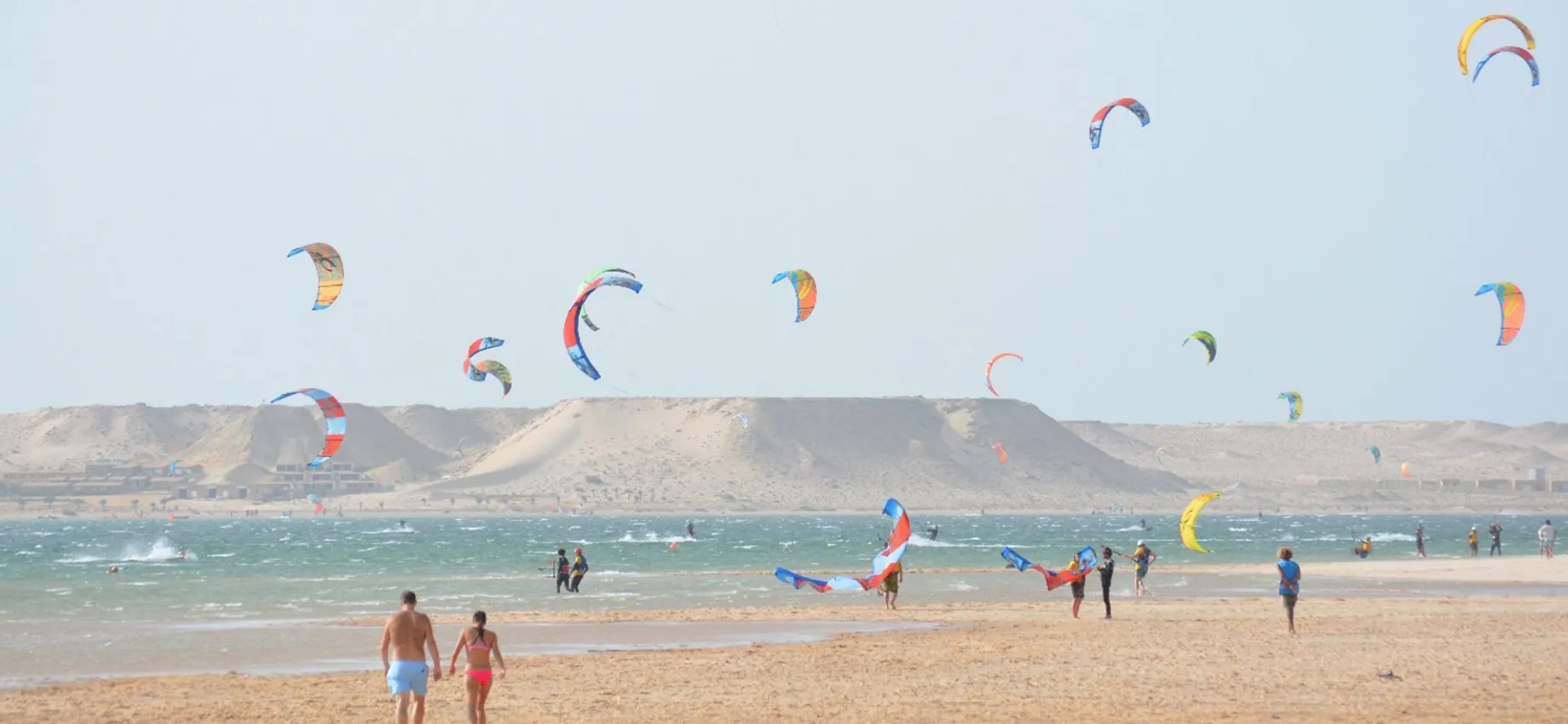
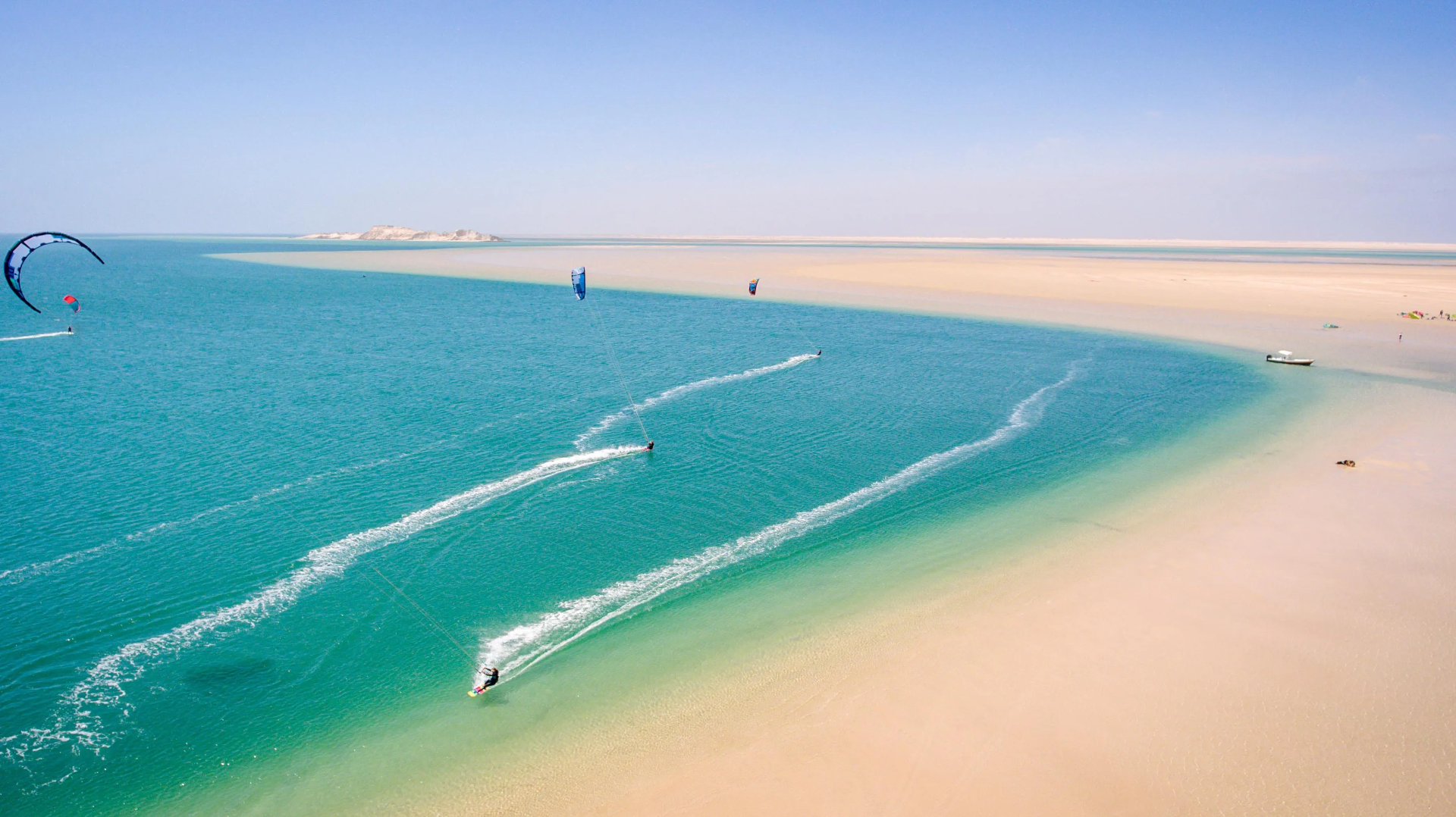
Nearby in Dakhla, you can visit Dakhla Lagoon for kitesurfing or White Beach for a relaxing seaside break, both about 30 to 40 minutes away by car. You can also explore Dakhla Port to see local fishing life. Combine your visit with a tour of Dakhla Old Town for a fuller experience.

What are some practical tips for visiting Khnifiss Nature Reserve?

Bring plenty of water, sunscreen, a hat, and binoculars for birdwatching, as there are no facilities on site; use insect repellent around the lagoons. Hire a local guide for safe routes and respect the rules about leaving no litter to help preserve the ecosystem. For tour bookings, contact agencies in Dakhla via Dakhla Tourism.

¿Prefieres escuchar en español?

🇪🇸 Escucha la audioguía de Khnifiss Nature Reserve en español