No te vayas sin conocer la historia Suscribete
IAudioGuia iaudioguia
Audio Guides of Chefchaouen

Audio Guide of Talassemtane National Park

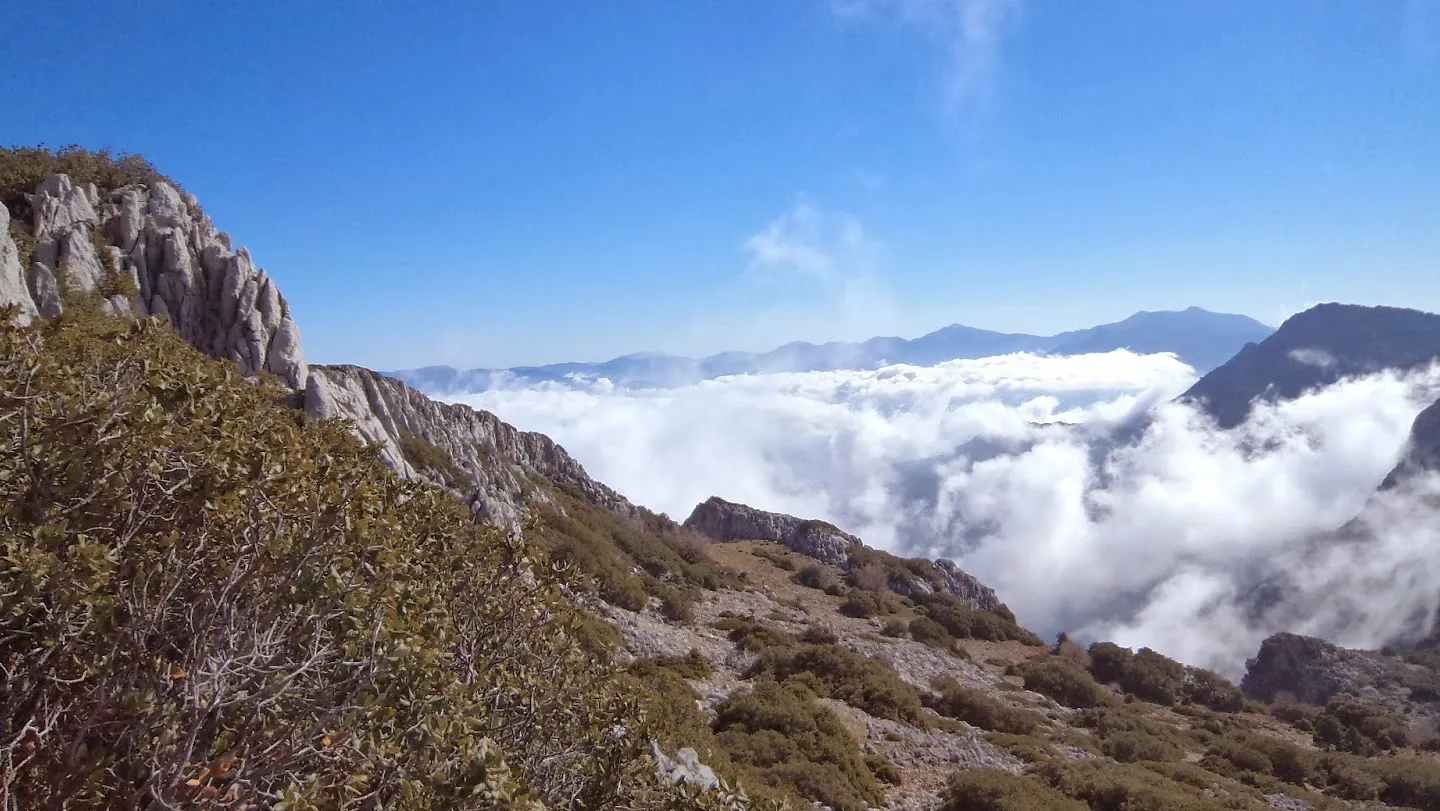
Oasis de biodiversidad en las montañas del Rif marroquí, con cedrales milenarios, cascadas y rutas de senderismo que revelan la esencia salvaje de Marruecos.

✓ What guidebooks don't tell you
✓ Secrets other tourists miss
✓ Listen while you explore
Discover everything
00:00
00:00
Rate this audio guide

📖 Audio Guide Chapters

6 chapters

1. Introduction and History

🔒 Premium Content

Subscribe to access all chapters of this audio guide.

2. Architecture and Design

🔒 Premium Content

Subscribe to access all chapters of this audio guide.

3. Art and Decoration

🔒 Premium Content

Subscribe to access all chapters of this audio guide.

4. Historical Figures

🔒 Premium Content

Subscribe to access all chapters of this audio guide.

5. Curiosities and Legends

🔒 Premium Content

Subscribe to access all chapters of this audio guide.

6. Cultural Importance and Legacy

🔒 Premium Content

Subscribe to access all chapters of this audio guide.

❓ Frequently Asked Questions

When is Talassemtane National Park open, and how can I get there?

The park is open year-round, 24 hours a day, as it is a protected natural area with no fixed closing times. To get there, the main access is by road from Tetouan or Chefchaouen; you can rent a car or take a taxi, and it is recommended to check routes on the official Moroccan tourism website. For more details, visit Visit Morocco.

How much does admission to Talassemtane National Park cost?

Entry to the park is free for all visitors, although small fees may apply for parking or local guides in certain areas. If you plan to camp or hire services, budget around 5–10 euros per person. Check for updates on the Haut-Commissariat aux Eaux et Forêts website.

How much time is recommended for visiting Talassemtane National Park?

A typical visit lasts 1 to 2 days, ideal for light hiking and wildlife observation, but if you enjoy trekking, allow 3 days to explore deeper routes such as the Cedar Forest. Plan according to your physical condition to avoid fatigue.

What is the history or cultural importance of Talassemtane National Park?

Created in 2004, the park protects one of the last Atlas cedar forests in the Moroccan Rif, with rich biodiversity that includes Barbary macaques and endemic birds, highlighting its role in ecological conservation. Culturally, it is part of the Berber heritage of northern Morocco, reflecting local traditions of living in harmony with nature.

What is the best time to visit Talassemtane National Park?

Spring (March to May) and autumn (September to November) are ideal, with mild temperatures between 15–25°C and less rain, perfect for hiking. Avoid summer because of intense heat and winter because of possible snowfall at higher elevations.

Is Talassemtane National Park accessible for people with reduced mobility?

Accessibility is limited due to the mountainous terrain and uneven hiking trails, but there are initial areas near the main entrance that are flatter and more accessible with assistance. I recommend contacting local guides for adapted options; for official information, visit Haut-Commissariat aux Eaux et Forêts or call +212 537 73 00 00.

What other places can I see near Talassemtane National Park?

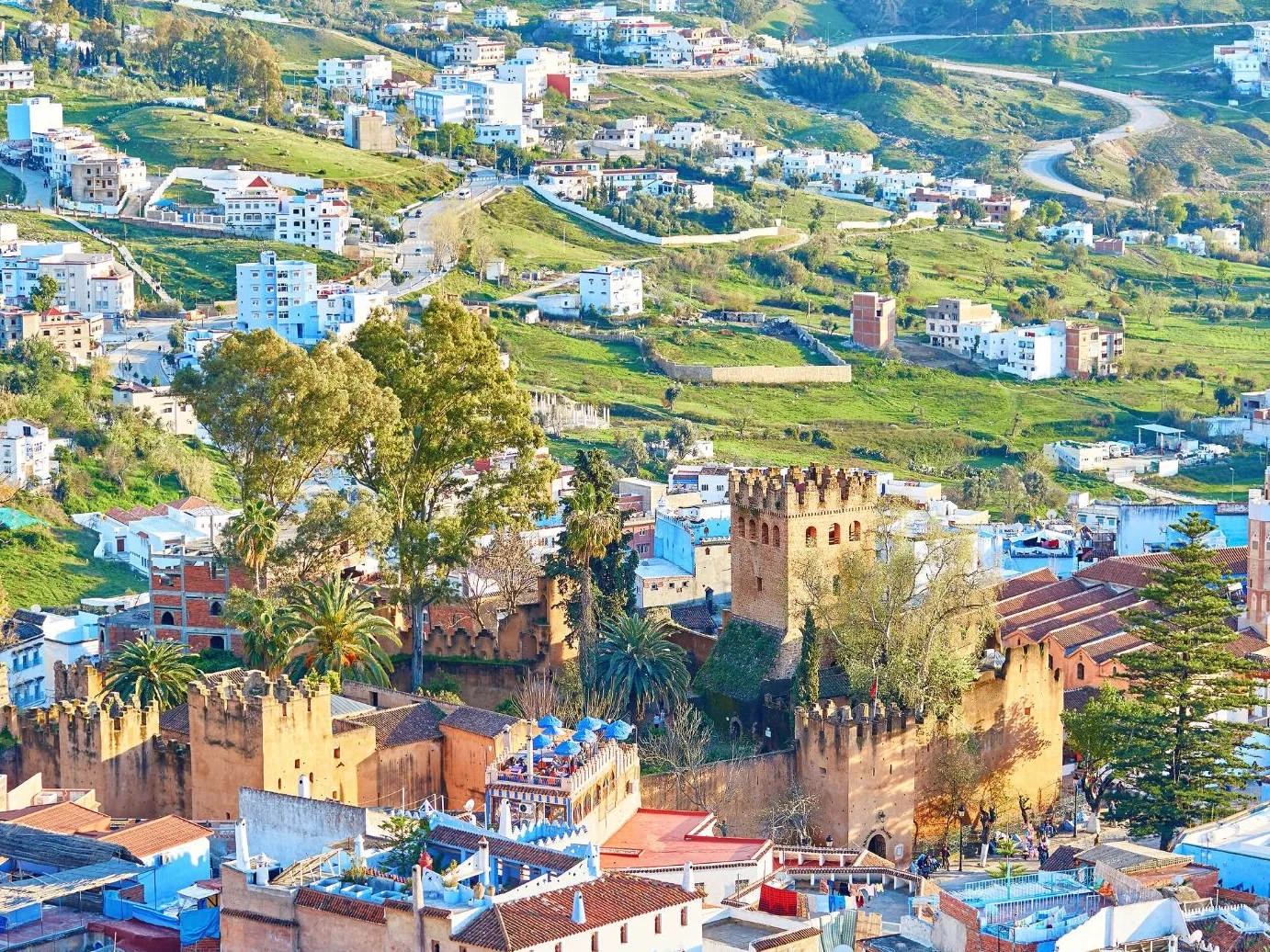
Nearby, do not miss the blue city of Chefchaouen, about 50 km away, famous for its picturesque streets, or Tetouan, with its medina listed as a UNESCO World Heritage Site. You can also explore the Martil River for a relaxing picnic, combining nature and culture in one day.

What practical tips can you give me to make the most of my visit to Talassemtane National Park?

Bring comfortable hiking shoes, plenty of water, and sunscreen, as the weather can change quickly; join a local guide to spot monkeys and learn about the flora. Respect the rules about not leaving litter and check the weather before you go for a safe and memorable experience.

¿Prefieres escuchar en español?

🇪🇸 Escucha la audioguía de Talassemtane National Park en español