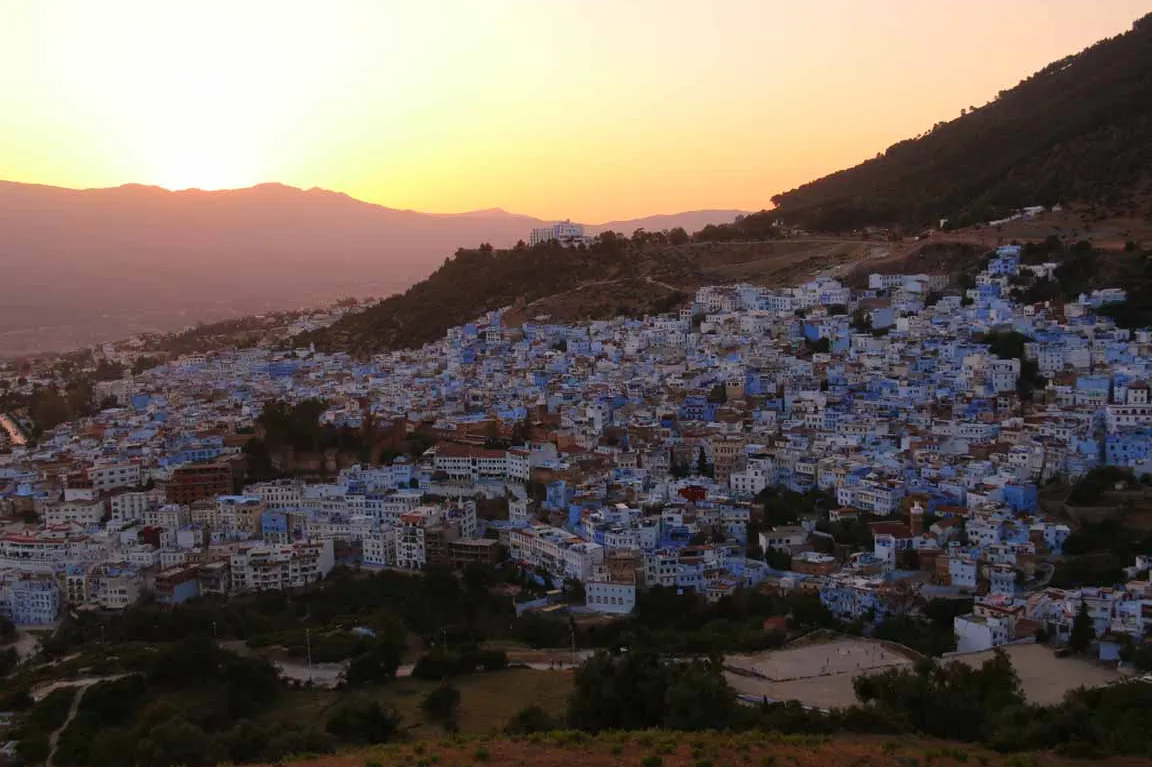
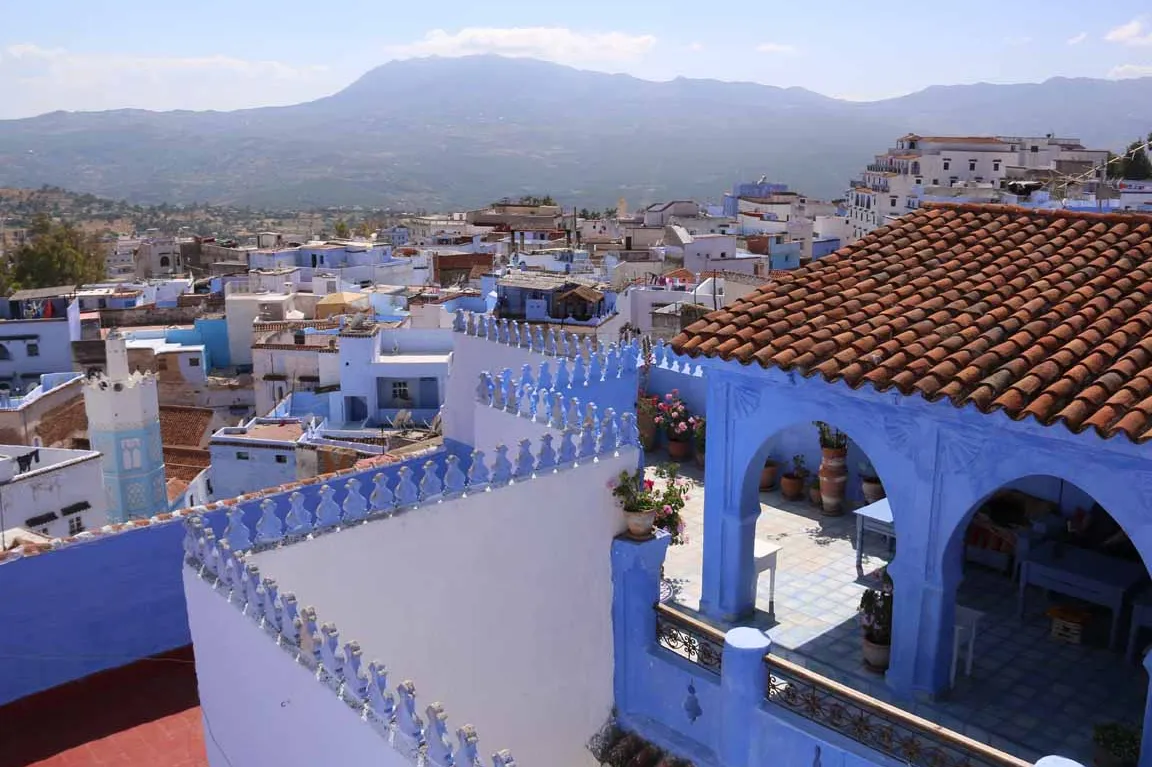
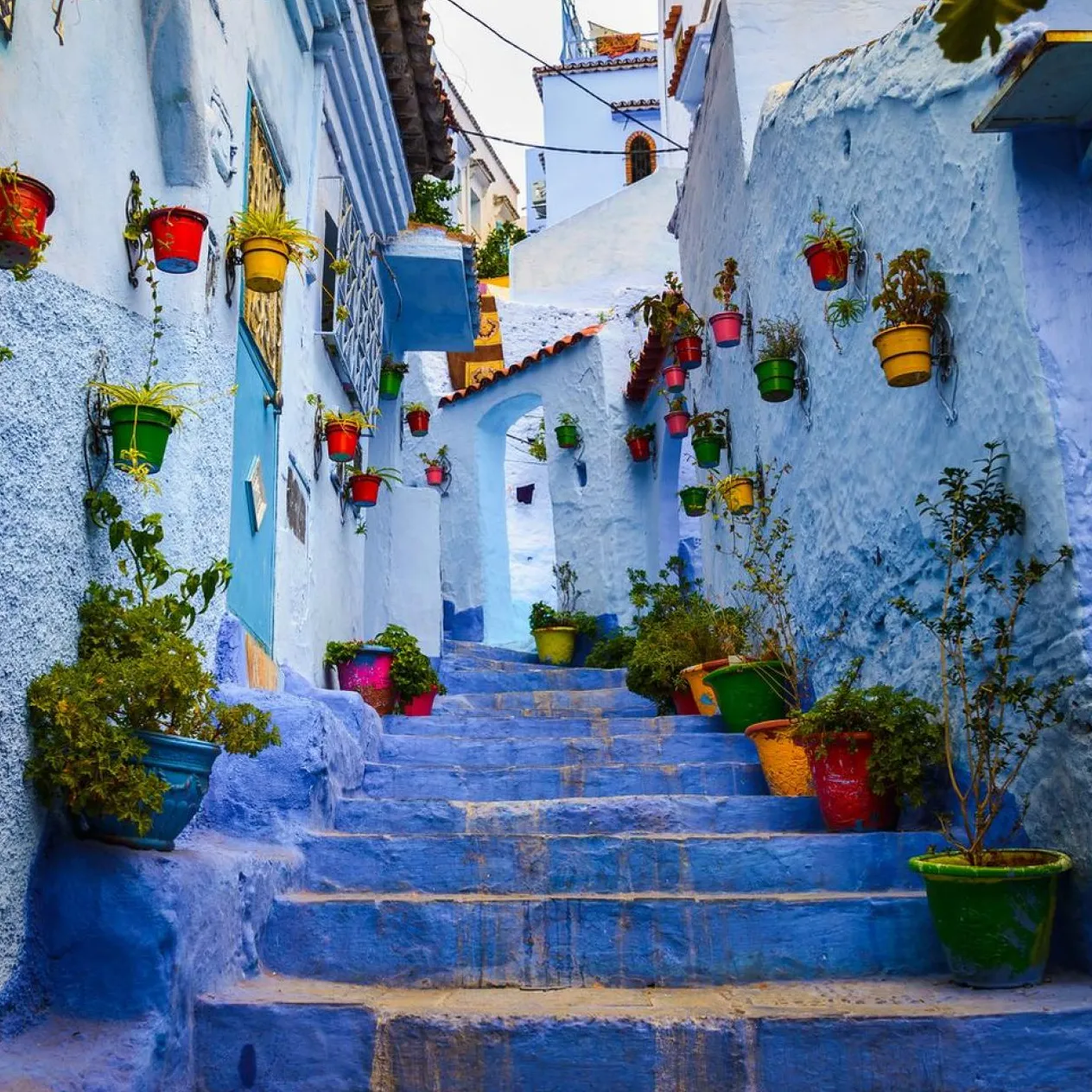
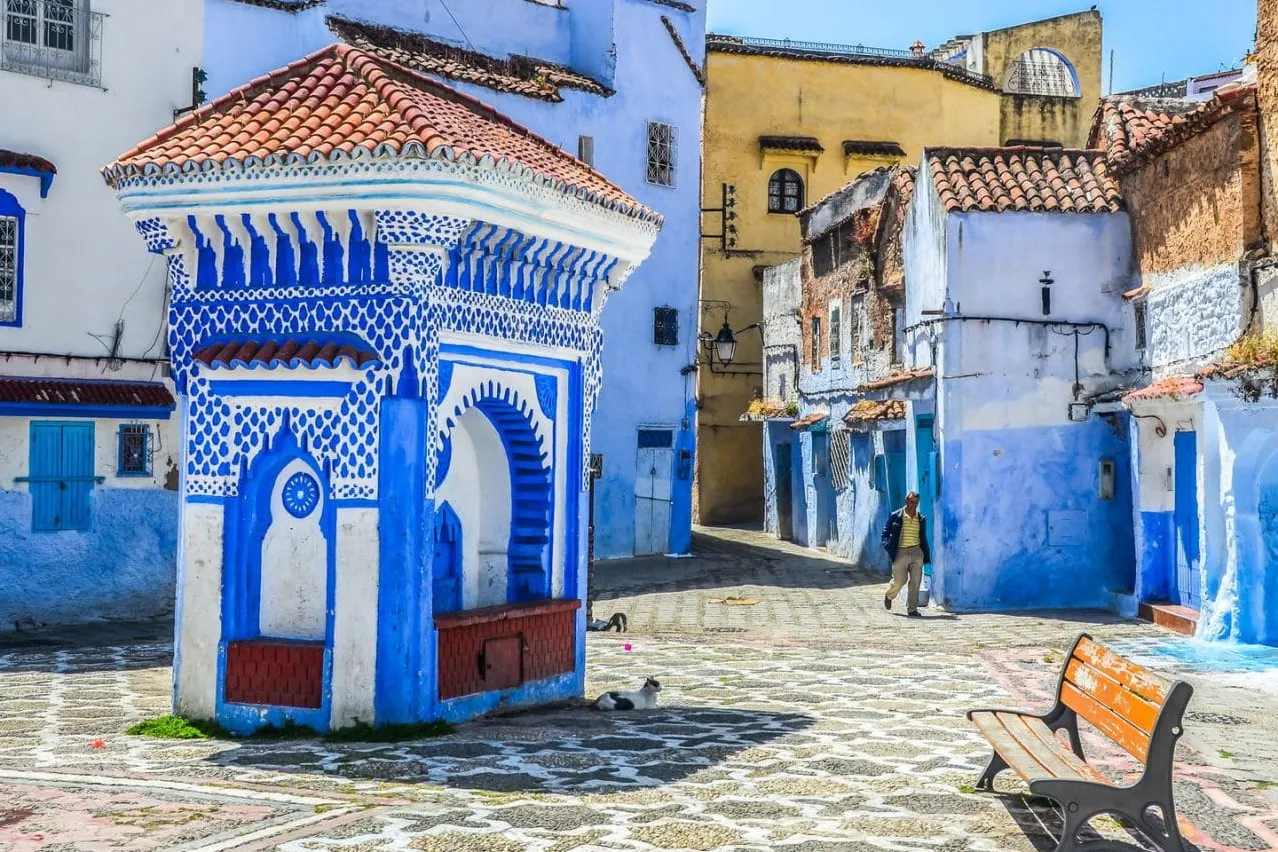
A vital meeting point in Chefchaouen, where nature and history intertwine to create a landscape of unique beauty.
Ras El Maa is a natural area and a waterfall, so it is accessible 24 hours a day, 7 days a week, with no closing time. It is a short and pleasant walk from the medina of Chefchaouen, following the river. It is easy to find, and most residents can point you in the right direction. There is no official website for the attraction itself, as it is a natural site.
No! Visiting Ras El Maa is completely free. There are no ticket booths or admission tickets, as it is a natural spring and waterfall on the edge of the medina. You can enjoy the surroundings at no cost.
Usually, about 30 to 60 minutes is enough to enjoy the setting, see the waterfall, the washhouse, and the picnic areas. If you feel like having tea at one of the nearby cafés or simply relaxing by the water, your visit could extend to a couple of hours. It is perfect for a relaxing stop during your visit to Chefchaouen.
Ras El Maa, which means 'head of the water,' is the spring that supplies water to Chefchaouen and has been vital to the city's life since its beginnings. Historically, it has been a meeting point and a center of community life, especially for women who traditionally used, and to a lesser extent still use, its public washhouses. It is the city's water heart and an essential part of the identity of the Blue City.
Spring (March to May) and autumn (September to November) are ideal because of the mild weather and water flow. As for the time of day, I suggest going early in the morning, before 10:00, or late in the afternoon, after 17:00. That way, you can enjoy the peace of the place and avoid the busiest tourist hours.
The main access to Ras El Maa is relatively easy from the medina, but the ground around the spring and waterfall can be uneven, with steps and dirt paths. It is not specifically designed for people with reduced mobility or wheelchairs. It is better to go with someone if mobility is a challenge.
You are right next to the medina of Chefchaouen, where you can explore its blue streets, Outa el Hammam Square, the Kasbah, and the Great Mosque. You might also consider a longer walk along the surrounding trails or a visit to the historic laundry area. For more information, I recommend consulting the Chefchaouen travel guide from the Moroccan National Tourist Office.
Wear comfortable shoes, as there may be slippery areas near the water. Consider bringing a bottle of water, especially if you are visiting in summer. There are small cafés and tea stalls nearby where you can relax. And do not forget your camera; the views are beautiful. If you have any questions or need help while you are there, local guides and residents are usually very friendly and willing to help. You can find additional information and inspiration on travel blogs such as Chefchaouen.ma.
¿Prefieres escuchar en español?
🇪🇸 Escucha la audioguía de Head of the Water en español