No te vayas sin conocer la historia Suscribete
IAudioGuia iaudioguia
Audio Guides of Merida

Audio Guide of the Giant Letters of Merida

Ícono urbano moderno en el corazón de Mérida, Yucatán, que celebra la identidad de la ciudad con letras monumentales ideales para fotos y recuerdos turísticos.

✓ What guidebooks don't tell you
✓ Secrets other tourists miss
✓ Listen while you explore
Discover everything
00:00
00:00
Rate this audio guide

📖 Audio Guide Chapters

6 chapters

1. Introduction and History

🔒 Premium Content

Subscribe to access all chapters of this audio guide.

2. Architecture and Design

🔒 Premium Content

Subscribe to access all chapters of this audio guide.

3. Art and Decoration

🔒 Premium Content

Subscribe to access all chapters of this audio guide.

4. Historical Figures

🔒 Premium Content

Subscribe to access all chapters of this audio guide.

5. Curiosities and Legends

🔒 Premium Content

Subscribe to access all chapters of this audio guide.

6. Cultural Importance and Legacy

🔒 Premium Content

Subscribe to access all chapters of this audio guide.

❓ Frequently Asked Questions

What are the opening hours of the main sites in Merida and how can I access them?

Merida is a city open 24 hours a day, but key sites such as Paseo de Montejo or the Cathedral are generally accessible from 8:00 AM to 8:00 PM, with variations depending on the place. To get there, use Manuel Crescencio Rejon International Airport (MID) and then local buses or taxis; the official tourism website offers maps at visitemerida.mx.

How much does it cost to visit Merida? Are there entrance fees or is it free?

Most of Merida’s streets and squares are free, but places such as the Ateneo de Yucatan Museum of Contemporary Art charge around 50-100 MXN per ticket. If you plan multiple visits, consider a combined pass; check updated prices on the tourism portal yucatan.travel.

How much time is needed to visit Merida?

At least 3 to 5 days are recommended to explore the historic center, markets, and nearby sites without rushing. If you only have one day, focus on Paseo 60 and the Cathedral, but two days allow for a fuller and more relaxed experience.

What is the history or cultural importance of Merida?

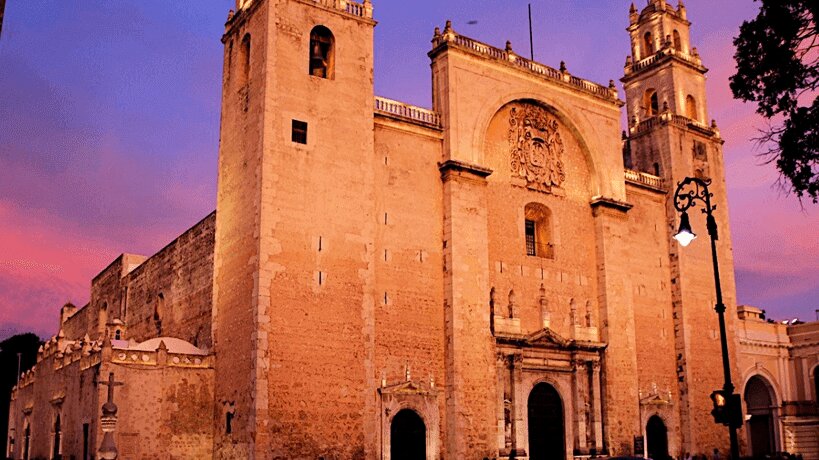
Founded in 1542 on Maya ruins, Merida is the 'White City' for its colonial architecture and represents the fusion of Maya and Spanish cultures. It is the capital of Yucatan and a vibrant cultural center, with festivals such as the Maya culture festival highlighting its Indigenous heritage.

When is the best time to visit Merida?

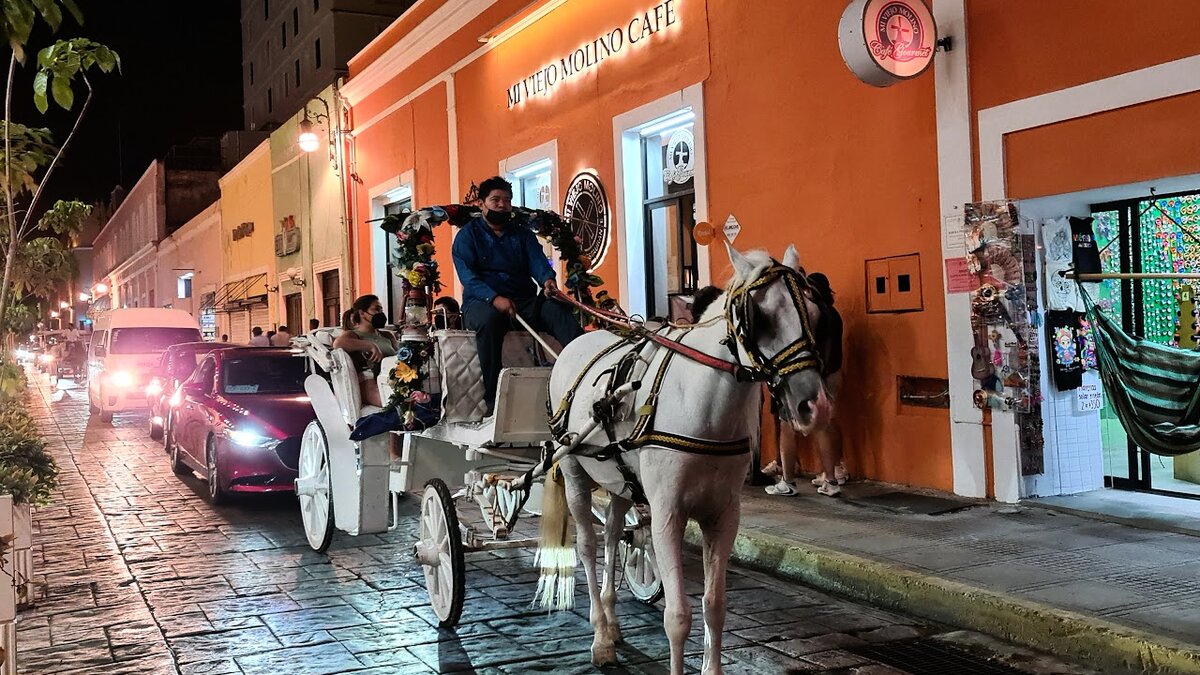
The best time is from November to April, during the dry season with pleasant temperatures of 25-30°C, avoiding the summer rains. At sunset, the historic center comes alive with lights and music, ideal for evening walks.

Is Merida accessible for people with reduced mobility?

The historic center has uneven sidewalks, but many places such as Santa Lucia Park offer ramps and adapted access; use taxis or services like Uber to make getting around easier. For more information, contact the city council at (999) 942-0000 or visit merida.gob.mx for accessibility guides.

What other attractions are near Merida?

Nearby, 45 minutes away, is the archaeological site of Dzibilchaltun with Maya pyramids; in the city, do not miss Lucas de Galvez Market for handicrafts. For cenotes, Chichen Itza is 2 hours away; plan a tour from visitemerida.mx.

What are some practical tips for visiting Merida?

Bring mosquito repellent, use sunscreen, and try local food such as cochinita pibil in authentic restaurants. Download the Yucatan tourism app for offline navigation and book accommodation in the center for easy walking; the warm climate suggests light clothing and morning visits.

¿Prefieres escuchar en español?

🇪🇸 Escucha la audioguía de the Giant Letters of Merida en español