No te vayas sin conocer la historia Suscribete
IAudioGuia iaudioguia
Audio Guides of Guadalajara

Audio Guide of Plaza Tapatía

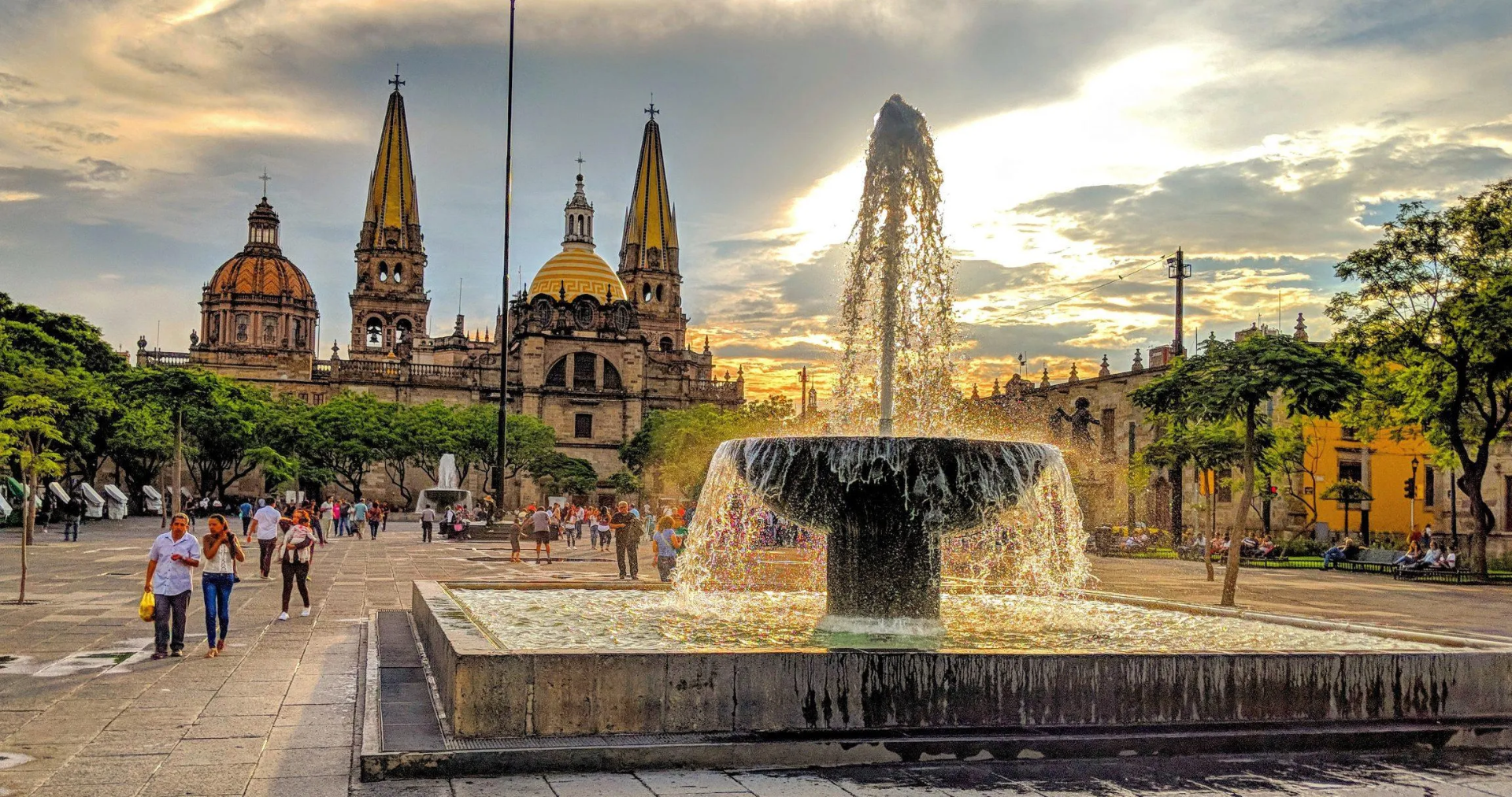
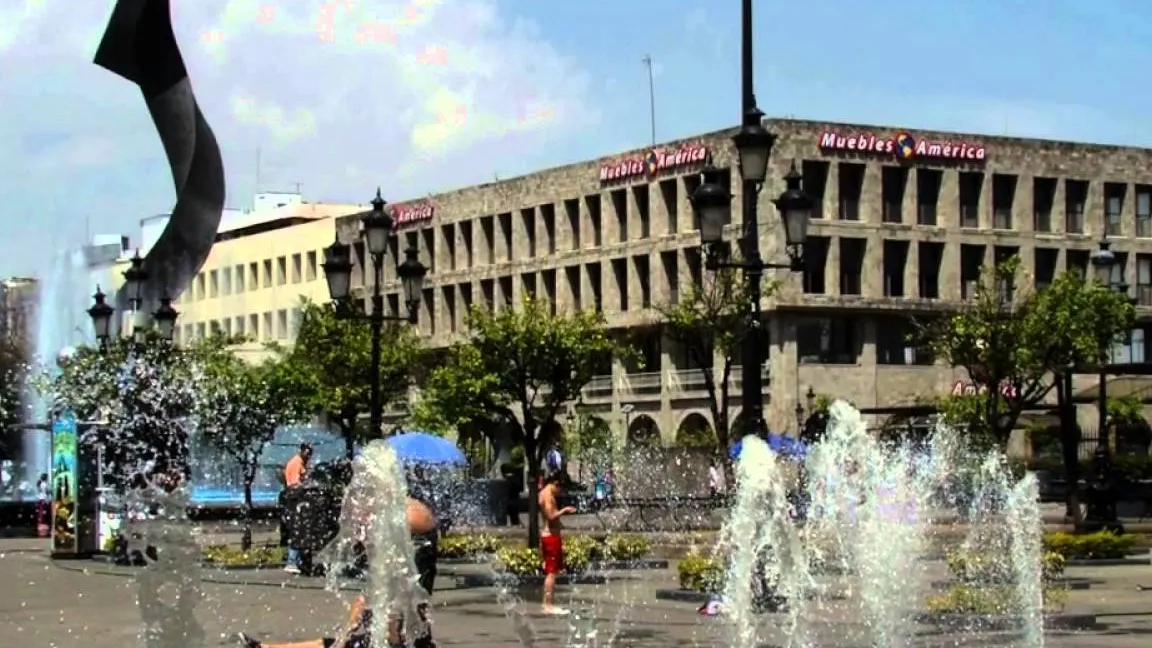
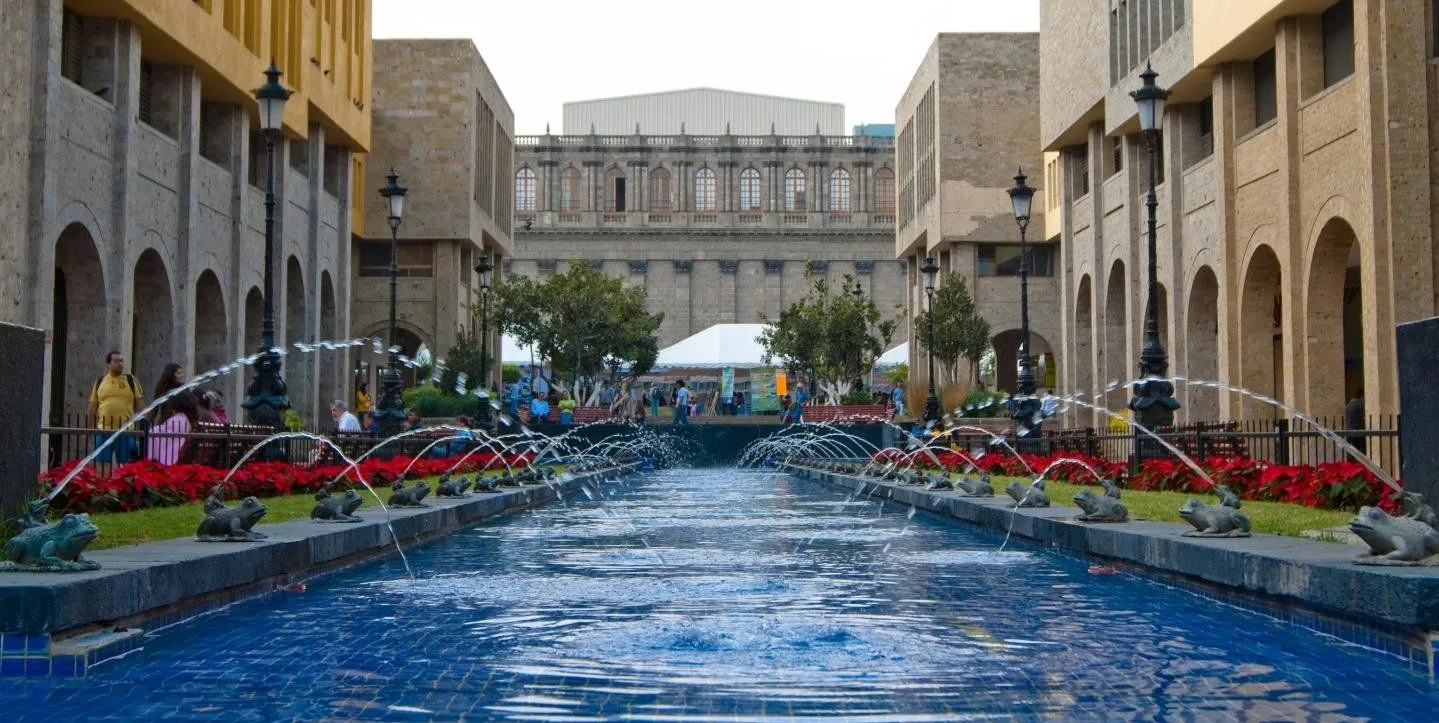
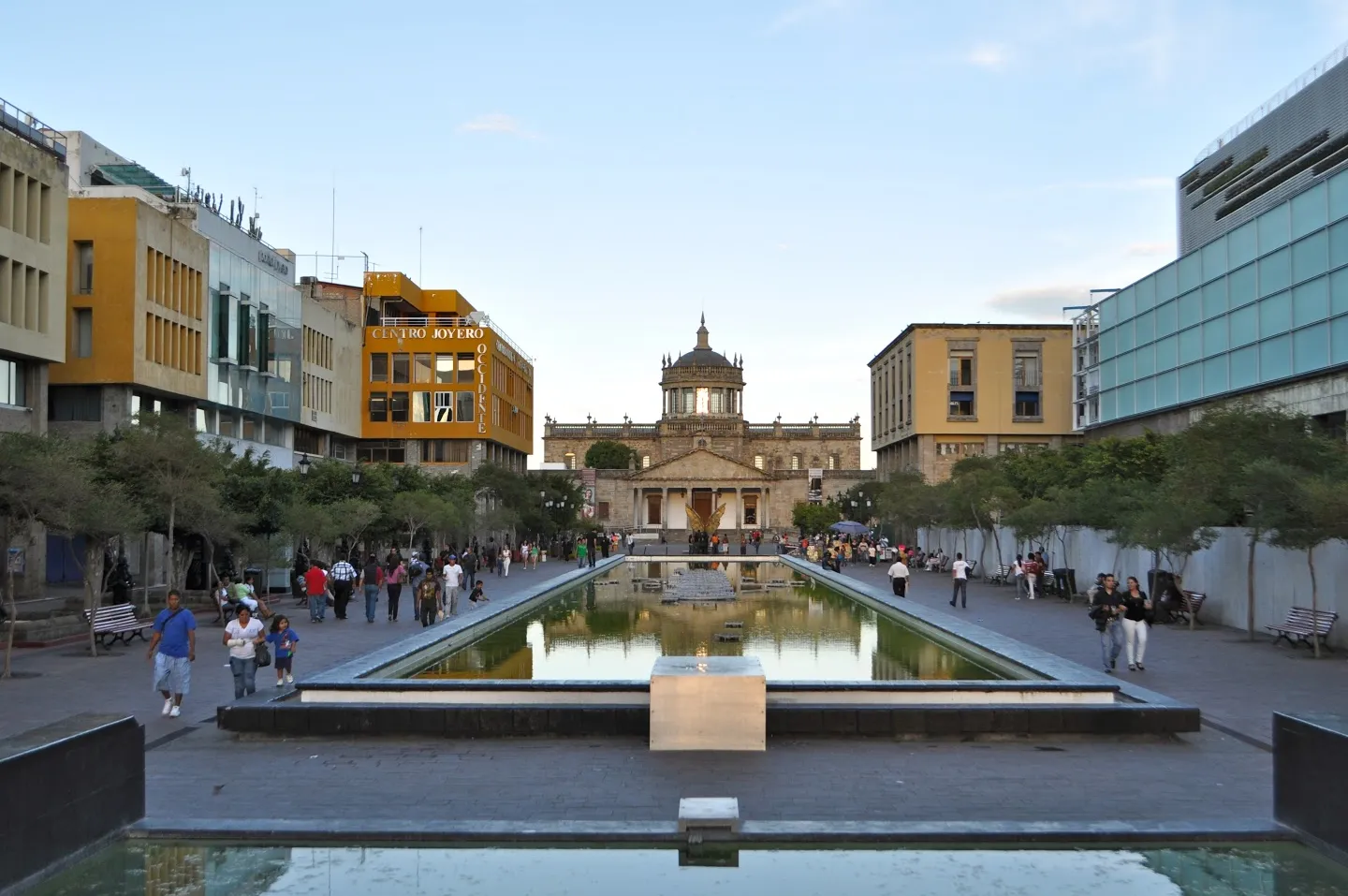
A vibrant pedestrian promenade in the heart of Guadalajara that connects history, art, and everyday life.

✓ What guidebooks don't tell you
✓ Secrets other tourists miss
✓ Listen while you explore
Discover everything
00:00
00:00
Rate this audio guide

📖 Audio Guide Chapters

6 chapters

1. Introduction and History

🔒 Premium Content

Subscribe to access all chapters of this audio guide.

2. Architecture and Design

🔒 Premium Content

Subscribe to access all chapters of this audio guide.

3. Art and Decoration

🔒 Premium Content

Subscribe to access all chapters of this audio guide.

4. Historical Figures

🔒 Premium Content

Subscribe to access all chapters of this audio guide.

5. Curiosities and Legends

🔒 Premium Content

Subscribe to access all chapters of this audio guide.

6. Cultural Importance and Legacy

🔒 Premium Content

Subscribe to access all chapters of this audio guide.

❓ Frequently Asked Questions

What are Plaza Tapatía's opening hours and how can I get there?

Plaza Tapatía is a public space open 24 hours a day, every day of the year, although it is recommended to visit during the day or at sunset for greater safety. You can easily get there by bus (routes that pass through downtown), taxi, or on foot from the historic center; use Google Maps for precise directions. More info on the official Guadalajara tourism website.

How much does it cost to enter Plaza Tapatía, and are there any fees?

Admission to Plaza Tapatía is completely free, as it is an open-air public space. You do not need tickets or payment to access the fountains or common areas; just consider transportation or nearby food expenses.

How much time is needed to visit Plaza Tapatía?

It is recommended to spend between 1 and 2 hours enjoying the dancing fountains, strolling, and taking photos. If you combine it with nearby attractions, you can extend your visit to half a morning or a full afternoon.

What is the history or cultural importance of Plaza Tapatía?

Opened in 1981, Plaza Tapatía is a modern icon of Guadalajara that celebrates local identity through its Dancing Fountains, inspired by mariachi culture and local folklore. It represents the festive spirit of Jalisco and is a meeting point for cultural and social events.

When is the best time to visit Plaza Tapatía?

The best time is at sunset or in the evening (after 7 pm) to see the fountains' light and water show, especially on weekends. Avoid midday because of the heat; spring or autumn are ideal thanks to the pleasant weather.

Is Plaza Tapatía accessible for people with reduced mobility?

Yes, it has ramps and flat paved paths throughout most of the area, making wheelchair access easier. However, check specific areas with local staff if you need assistance; Guadalajara promotes inclusive tourism.

What can I see near Plaza Tapatía?

Nearby you will find Hospicio Cabañas (a 5-minute walk away), Guadalajara Cathedral, and Degollado Theater. Explore the historic center for a full route; check maps at Visit Guadalajara.

What practical tips can you give me for my visit to Plaza Tapatía?

Bring water, sunscreen, and comfortable shoes; try local Guadalajara snacks at nearby stands. Go with a group at night and download an audio guide at IAudioguia to enrich the experience with local stories.

¿Prefieres escuchar en español?

🇪🇸 Escucha la audioguía de Plaza Tapatía en español