No te vayas sin conocer la historia Suscribete
IAudioGuia iaudioguia
Audio Guides of Los Cabos

Audio Guide of San José del Cabo Estuary

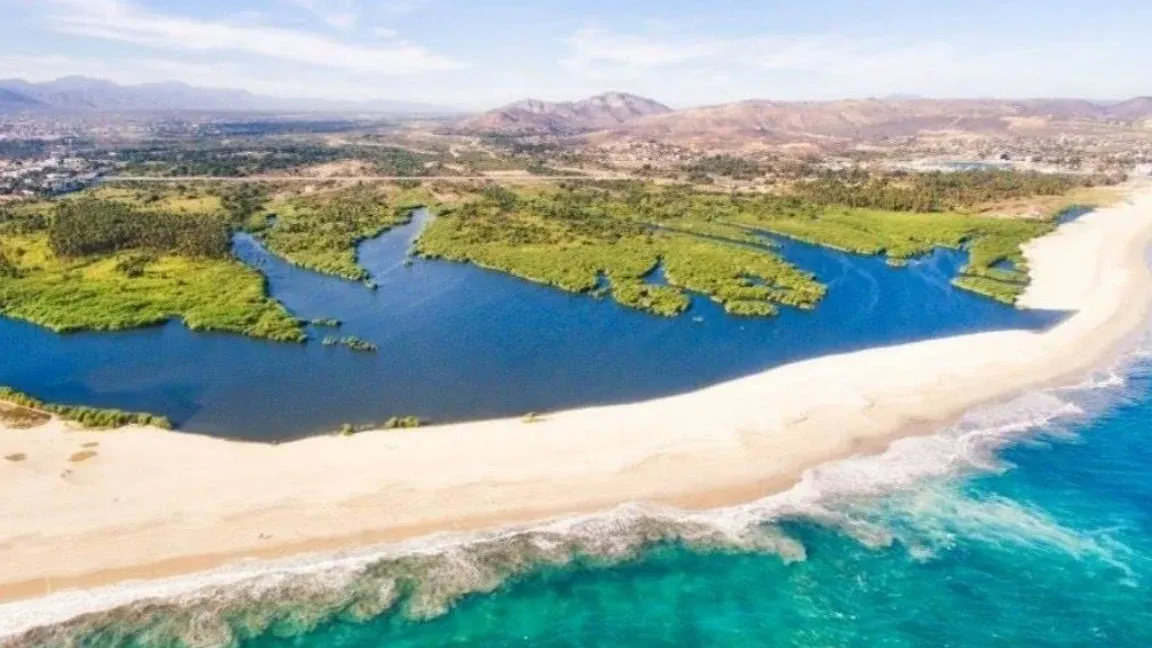
A natural refuge and wildlife sanctuary, this freshwater oasis is vital to the biodiversity of Baja California Sur.

✓ What guidebooks don't tell you
✓ Secrets other tourists miss
✓ Listen while you explore
Discover everything
00:00
00:00

📖 Audio Guide Chapters

6 chapters

1. An Oasis in the Desert: Origins and History of the Estuary

🔒 Premium Content

Subscribe to access all chapters of this audio guide.

2. Natural Architecture: Boundaries and Components of the Ecosystem

🔒 Premium Content

Subscribe to access all chapters of this audio guide.

3. A Palette of Vivid Colors: Flora and Fauna of the Estuary

🔒 Premium Content

Subscribe to access all chapters of this audio guide.

4. Guardians of the Estuary: Key Figures and the Local Community

🔒 Premium Content

Subscribe to access all chapters of this audio guide.

5. Mysteries and Challenges: Curiosities and the Fight for Conservation

🔒 Premium Content

Subscribe to access all chapters of this audio guide.

6. A Natural Legacy: Ecological and Cultural Importance for the Future

🔒 Premium Content

Subscribe to access all chapters of this audio guide.

❓ Frequently Asked Questions

What time can I visit the San José del Cabo Estuary, and how do I get there?

The San José del Cabo Estuary is open to the public from sunrise to sunset, giving you flexibility for your visit. You can reach the estuary on foot from downtown San José del Cabo or by car, with parking available nearby. We recommend checking a local map or Google Maps for the most convenient route.

Do I have to pay anything to enter the San José del Cabo Estuary?

No, admission to the San José del Cabo Estuary is completely free! It is a natural treasure open at no cost to all visitors, making it a great option for enjoying nature without affecting your budget.

How much time is recommended for a proper visit to the estuary?

To fully enjoy the estuary, I suggest setting aside between 1 and 2 hours. This will allow you to walk the trails, observe birds and local flora at a relaxed pace, and soak in the serene atmosphere of this natural sanctuary.

What is the historical or ecological importance of the San José del Cabo Estuary?

The San José del Cabo Estuary is a unique freshwater wetland ecosystem in a desert region, crucial for bird migration and home to various endemic species. Historically, it has been a vital water source. It is part of the Ramsar Sites list because of its ecological importance.

What is the best time of year or day to visit the San José del Cabo Estuary?

For birdwatching, the winter months from November to March are ideal because of migration. Early morning or late afternoon are the best times of day to avoid the heat and enjoy the greatest wildlife activity. The light is fantastic for photos.

Is the San José del Cabo Estuary accessible for people with reduced mobility?

Accessibility at the estuary may be limited in certain areas because of the natural dirt trails and terrain. Although some stretches are flat, not all are adapted for wheelchairs. We recommend being prepared or contacting the local tourism office for more detailed information about accessible routes.

What other nearby attractions can I visit after the estuary?

Very close to the estuary, you can explore the charming San José del Cabo Art District, famous for its galleries and evening events. I also recommend visiting the Mission of San José del Cabo, which offers insight into local history. And do not forget the nearby beaches!

Do you have any practical tips to make the most of my visit to the estuary?

Absolutely! I suggest bringing binoculars for birdwatching, good sunscreen, a hat, insect repellent, and plenty of water. Wear comfortable walking shoes. Also, remember to stay calm, do not feed the animals, and follow the marked trails to help preserve this beautiful natural environment.

¿Prefieres escuchar en español?

🇪🇸 Escucha la audioguía de San José del Cabo Estuary en español