No te vayas sin conocer la historia Suscribete
IAudioGuia iaudioguia
Audio Guides of Kuala Lumpur

Audio Guide of Kuala Lumpur Chinatown

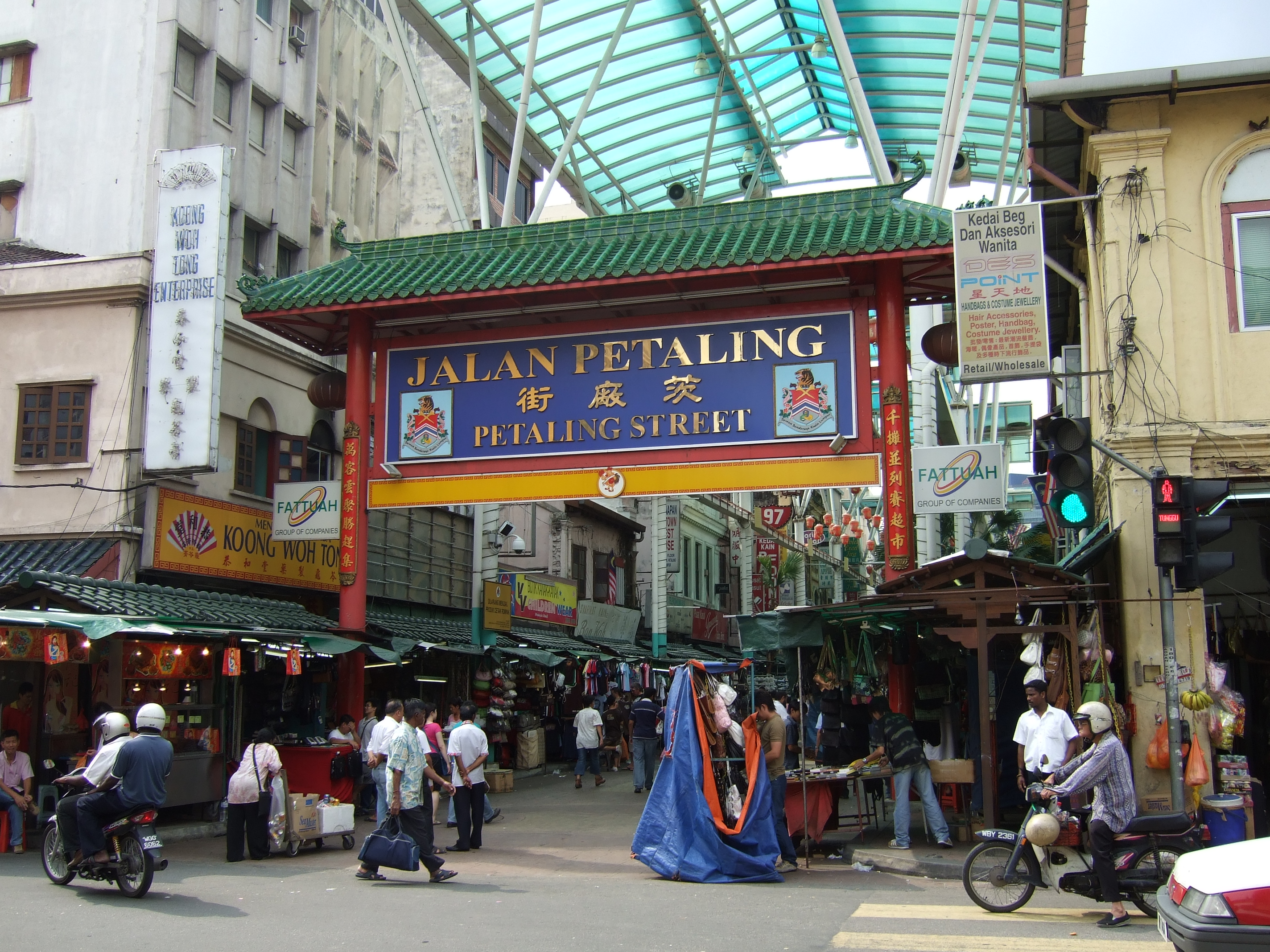
El Barrio Chino de Kuala Lumpur, centrado en Petaling Street, es un vibrante enclave histórico que fusiona tradición china con la multiculturalidad malaya. Descubre sus calles llenas de historia, templos y mercados mientras paseas.

✓ What guidebooks don't tell you
✓ Secrets other tourists miss
✓ Listen while you explore
Discover everything
00:00
00:00

📖 Audio Guide Chapters

6 chapters

1. Welcome to Kuala Lumpur Chinatown

🔒 Premium Content

Subscribe to access all chapters of this audio guide.

2. The Architecture of Kuala Lumpur Chinatown

🔒 Premium Content

Subscribe to access all chapters of this audio guide.

3. History and Figures of Kuala Lumpur Chinatown

🔒 Premium Content

Subscribe to access all chapters of this audio guide.

4. Art and Details of Kuala Lumpur Chinatown

🔒 Premium Content

Subscribe to access all chapters of this audio guide.

5. Secrets and Curiosities

🔒 Premium Content

Subscribe to access all chapters of this audio guide.

6. Farewell and Recommendations

🔒 Premium Content

Subscribe to access all chapters of this audio guide.

❓ Frequently Asked Questions

When is Chinatown in Kuala Lumpur open and how can I get there?

Chinatown, also known as Petaling Street, is an area open 24 hours a day, but the night market and shops are most active from 10:00 to 22:00. You can easily get there by MRT to Pasar Seni station or by monorail to Maharajalela station, from where it is a short walk; if you go by taxi, it is easily accessible from central Kuala Lumpur.

How much does it cost to visit Chinatown in Kuala Lumpur? Is there an entrance fee?

Visiting Chinatown is completely free, since it is an open-air neighborhood and market. You will only pay for shopping, food, or souvenirs at the stalls, where prices usually range from 5 to 50 MYR per item.

How much time is recommended to explore Chinatown in Kuala Lumpur?

It is recommended to spend between 2 and 3 hours walking through the main streets, visiting the market, and trying the street food. If you want to shop or take detailed photos, you could extend it to half a day, but it is ideal as a short and lively visit.

What is the history and cultural significance of Chinatown in Kuala Lumpur?

Chinatown was established in the 1870s by Chinese immigrants who arrived as miners during the tin rush in British Malaya, becoming the commercial heart of the Chinese community. Today it represents Malaysia’s cultural diversity, with temples, traditional architecture, and a blend of customs that reflect Chinese-Malay heritage; it is a key place for understanding Asian migration.

What is the best time of day or year to visit Chinatown in Kuala Lumpur?

The best time of day is at sunset or at night, when the night market comes alive with lights, street food, and less heat; avoid midday because of the intense sun. As for the year, visit during Chinese New Year (January or February) for vibrant celebrations, or in the dry season from March to October for more pleasant weather.

Is Chinatown in Kuala Lumpur accessible for people with reduced mobility?

The main streets such as Petaling Street are mostly flat and accessible for wheelchairs, but some areas have uneven paving or crowds that can make movement difficult. I recommend using the MRT to get there, as nearby stations have elevators; for more details on accessible routes, check the official Malaysia tourism website at Malaysia Tourism.

What other attractions are near Chinatown in Kuala Lumpur?

Near Chinatown you will find Central Market just a 5-minute walk away, ideal for handicrafts and Malaysian culture; also Sri Mahamariamman Temple, the oldest in Kuala Lumpur, and Independence Square (Merdeka Square) about 10 minutes away on foot. These attractions perfectly complement a visit to Chinatown for a full day of historical exploration.

What practical tips can help me make the most of my visit to Chinatown in Kuala Lumpur?

Bring cash in ringgit (MYR) since many stalls do not accept cards, and bargain politely for better prices on souvenirs. Try street food such as satay or dim sum, but choose busy places for better hygiene; use sunscreen and comfortable shoes for walking, and download a map app such as Google Maps to get around. If you are looking for guides, check resources at TripAdvisor Chinatown KL.

¿Prefieres escuchar en español?

🇪🇸 Escucha la audioguía de Kuala Lumpur Chinatown en español