No te vayas sin conocer la historia Suscribete
IAudioGuia iaudioguia
Audio Guides of Yamagata

Audio Guide of Risshaku-ji Temple (Yamadera)

Donde los escalones cuentan historias y las rocas susurran secretos samuráis.

✓ What guidebooks don't tell you
✓ Secrets other tourists miss
✓ Listen while you explore
Discover everything
00:00
00:00

📖 Audio Guide Chapters

6 chapters

1. The Poet Who Cursed the 1,015 Steps

🔒 Premium Content

Subscribe to access all chapters of this audio guide.

2. The Thief Turned to Stone

🔒 Premium Content

Subscribe to access all chapters of this audio guide.

3. The War of the Copper Roofs

🔒 Premium Content

Subscribe to access all chapters of this audio guide.

4. The Bell That Must Not Wake the Sleeping God

🔒 Premium Content

Subscribe to access all chapters of this audio guide.

5. The Slabs That Laugh in Echo

🔒 Premium Content

Subscribe to access all chapters of this audio guide.

6. The Crack That Saved 100 Lives

🔒 Premium Content

Subscribe to access all chapters of this audio guide.

❓ Frequently Asked Questions

What are the opening hours of Risshaku-ji and how do I get there?

Risshaku-ji Temple, also known as Yama-dera, is generally open to the public from sunrise to sunset. To get there, you can take a JR Senzan Line train from Yamagata Station to Yamadera Station, which is about a 5-minute walk from the entrance. You can check train schedules on the JR East website: JR East Official Site

Is there an entrance fee to visit Risshaku-ji?

Yes, there is an entrance fee to access the main part of the temple, which includes the steps that climb the mountain and the upper buildings. The fee is usually around 300 yen. I recommend bringing some cash, although some places may accept cards.

How much time should I set aside for my visit to Risshaku-ji?

To fully enjoy Risshaku-ji, including climbing the thousand steps and exploring the different temples and panoramic views, I suggest setting aside at least 2 to 3 hours. If you stop to take photos or simply contemplate the landscape, it could be even longer.

What is the historical or cultural significance of Risshaku-ji?

Risshaku-ji is a Buddhist temple known for its antiquity and stunning location. It was founded in the year 860 by the monk Ennin (Jikaku Daishi) and is famous for being the place where the haiku poet Matsuo Bashō composed one of his most celebrated poems. It is a place of deep spiritual and cultural connection in Japan.

What is the best time to visit Risshaku-ji for the best views?

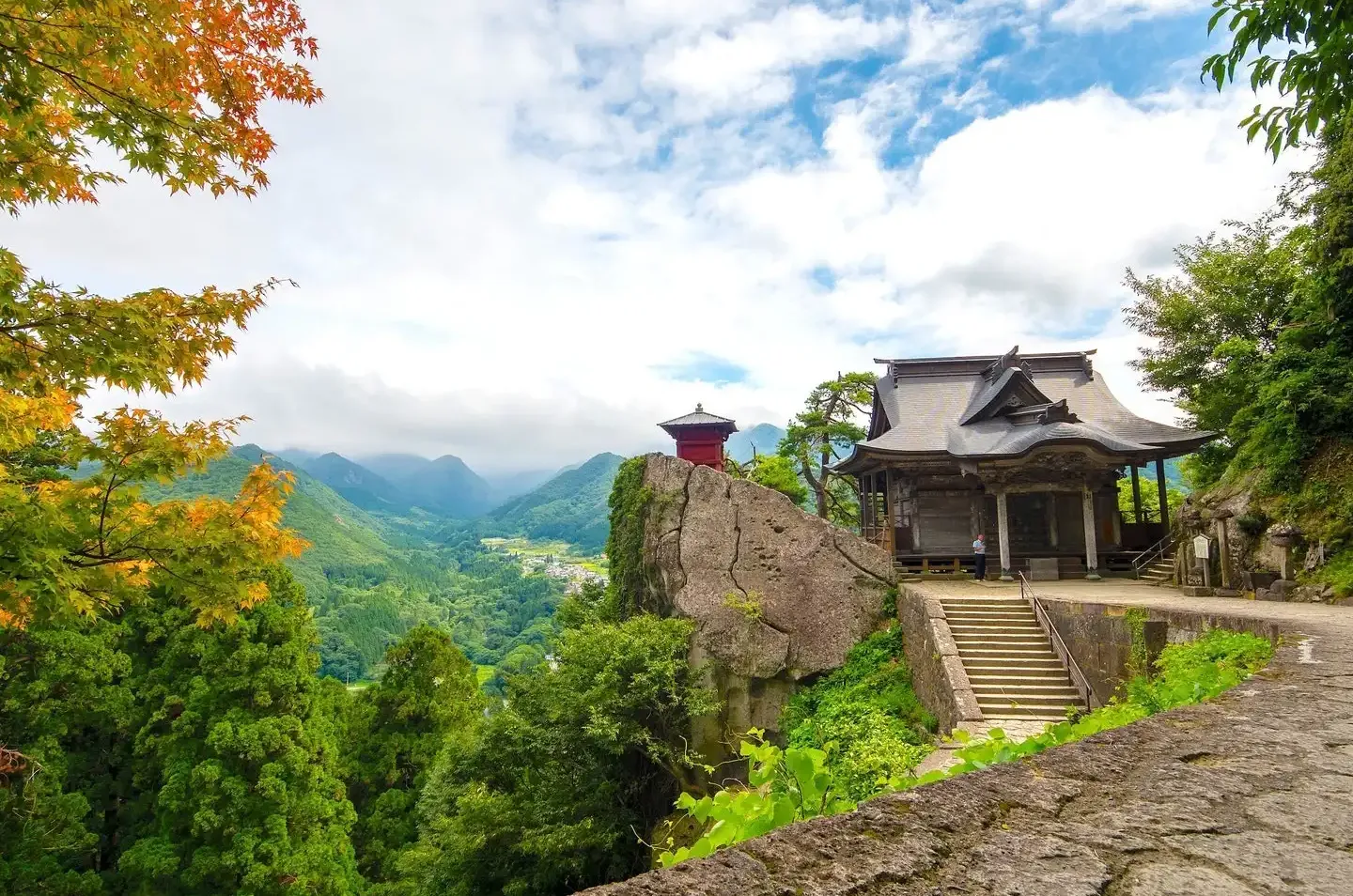
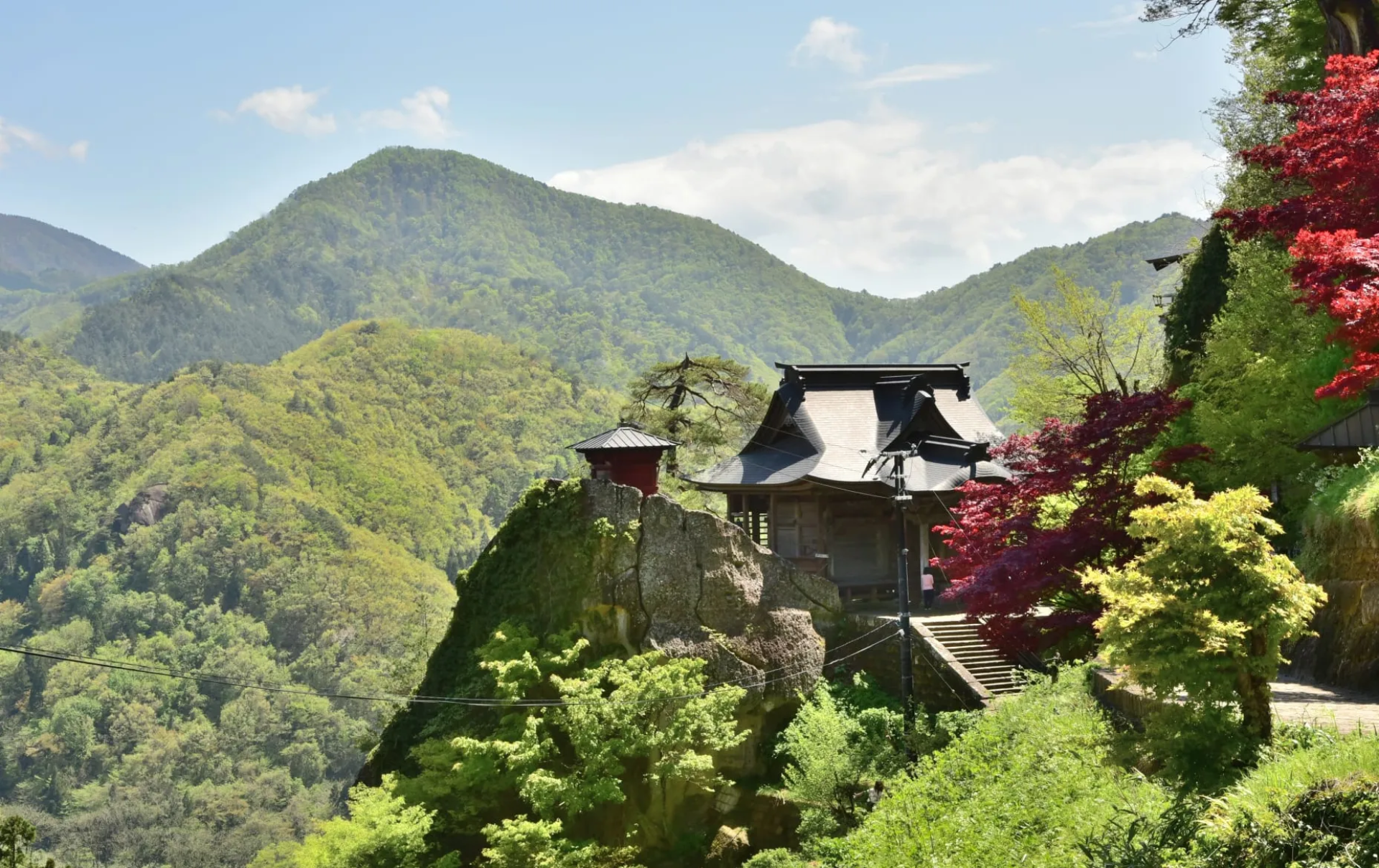
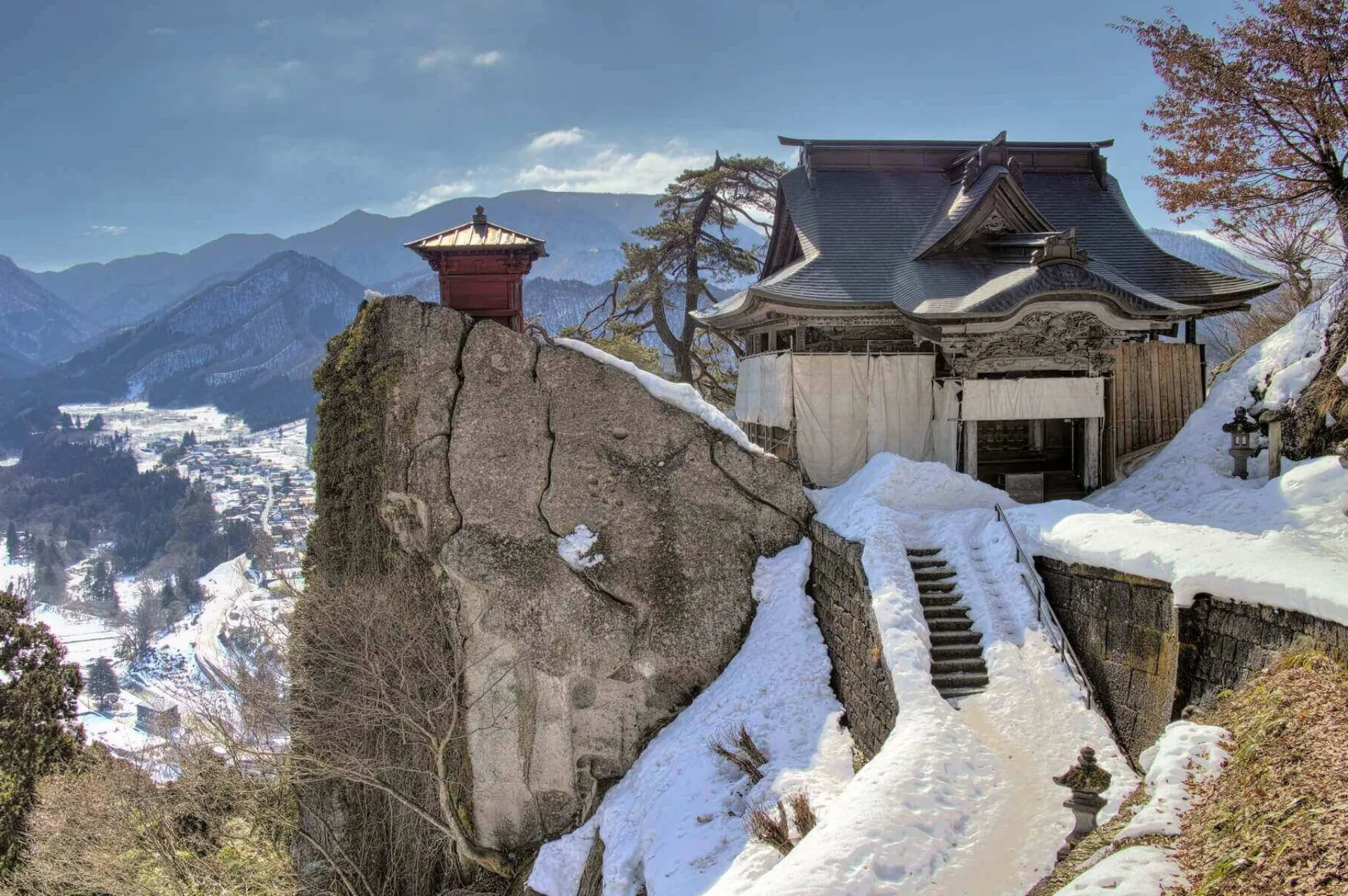
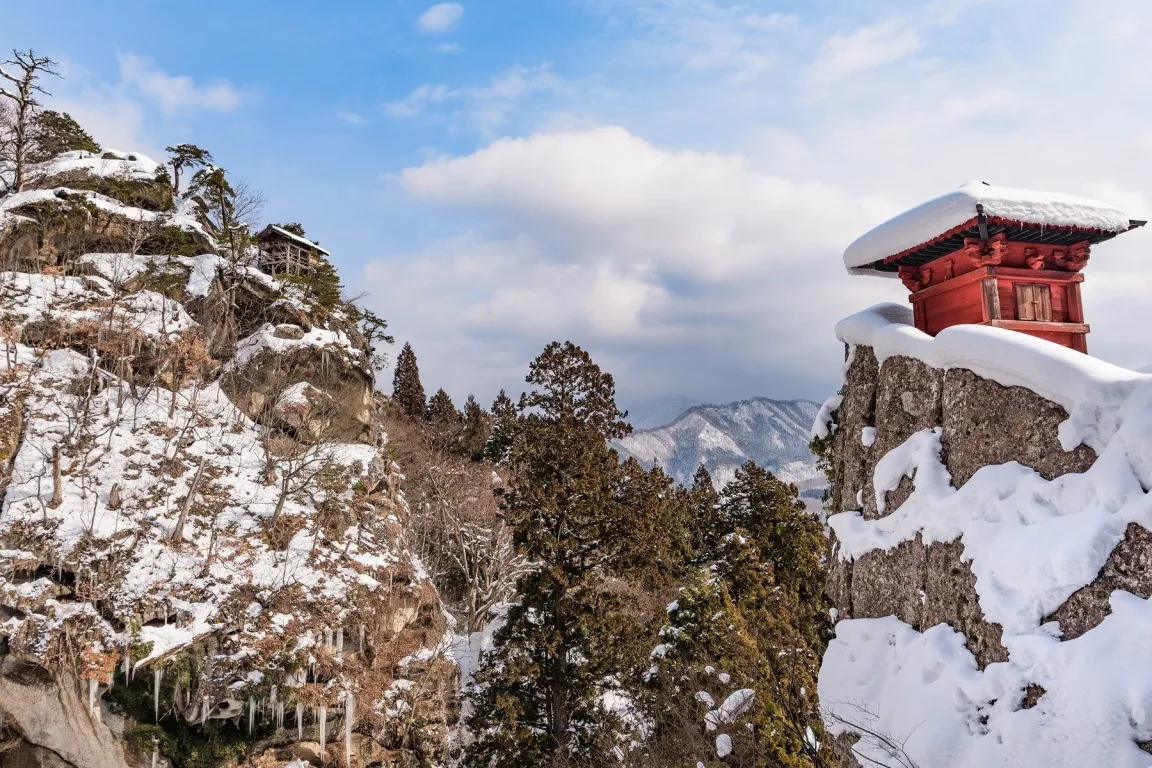
Risshaku-ji is beautiful in any season. Spring offers cherry blossoms, summer lush greenery, autumn spectacular fall foliage, and winter snowy landscapes. Many visitors prefer autumn for its vibrant colors. If you want to avoid crowds, try going early in the morning.

Is Risshaku-ji accessible for people with reduced mobility or in wheelchairs?

Unfortunately, most of Risshaku-ji, especially the climb to the main temples via the stone steps, is very steep and not accessible for people with reduced mobility or in wheelchairs. The area at the base of the temple and the train station are accessible. For more details on accessibility in Japan, you can consult sites such as Accessible Japan.

What other attractions or places of interest are near Risshaku-ji?

Near Risshaku-ji, you can find some souvenir shops and local restaurants at the base of the mountain. If you have time, the city of Yamagata, with its castle and the Yamagata Museum of Art, is not far away by train. The Yamagata region is also known for its onsen (hot springs), such as those at Tendo Onsen.

Do you have any practical tips to make the most of my visit to Risshaku-ji?

Of course! Wear comfortable walking shoes, as there are many steps. If you go in summer, don't forget water and sun protection. In winter, warm clothing is essential. Take your time climbing and enjoy the views. And don't forget your camera, the photo opportunities are countless. Enjoy the peace and beauty!

¿Prefieres escuchar en español?

🇪🇸 Escucha la audioguía de Risshaku-ji Temple (Yamadera) en español