No te vayas sin conocer la historia Suscribete
IAudioGuia iaudioguia
Audio Guides of Sendai

Audio Guide of Osaki Hachimangu Shrine

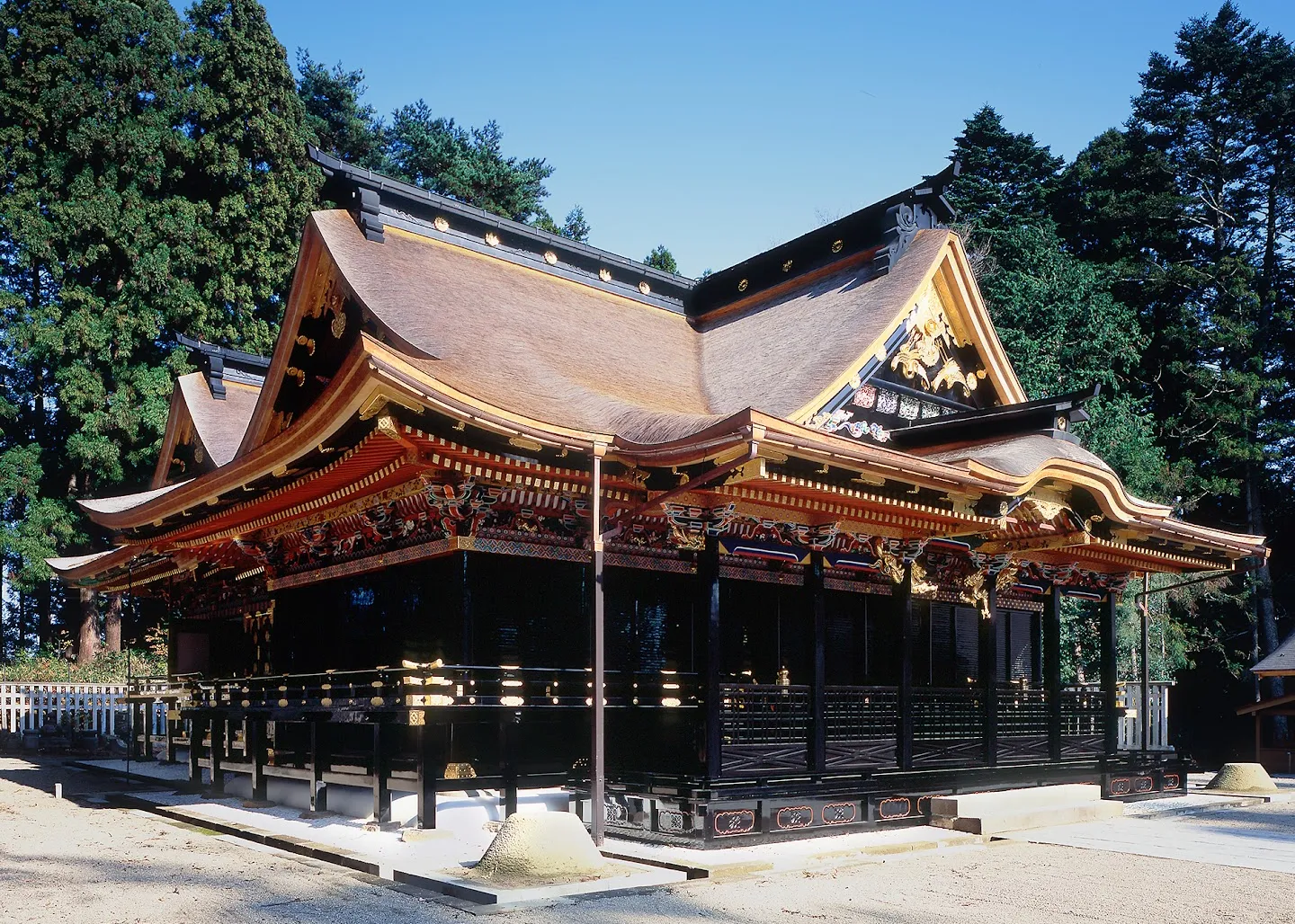
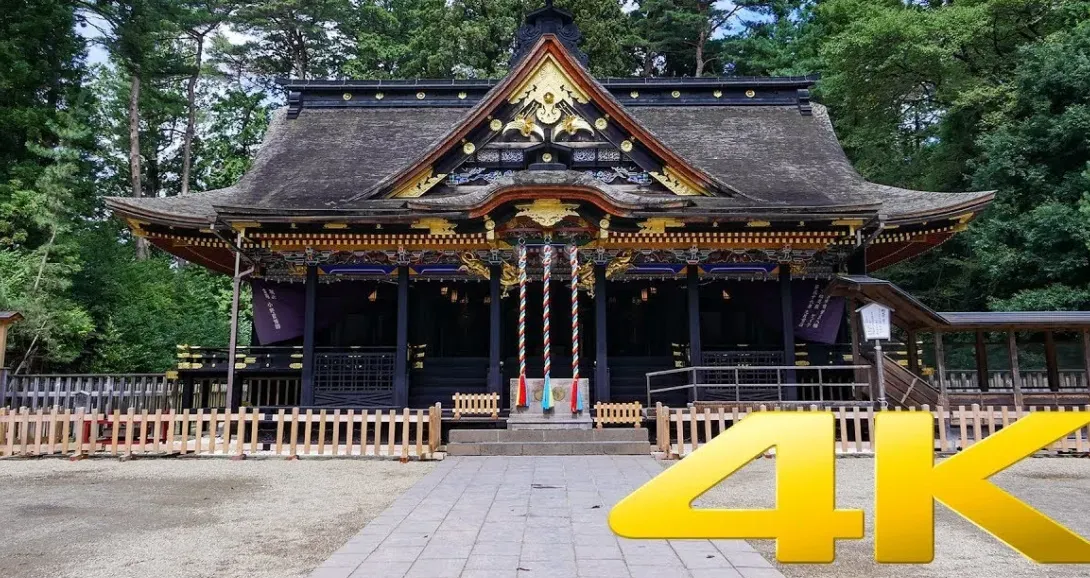
El Santuario Osaki Hachimangu es un tesoro shintoísta en Sendai, Japón, erigido en el siglo XVII como símbolo de poder y protección divina para la región de Tohoku.

✓ What guidebooks don't tell you
✓ Secrets other tourists miss
✓ Listen while you explore
Discover everything
00:00
00:00

📖 Audio Guide Chapters

6 chapters

1. Introduction and History

🔒 Premium Content

Subscribe to access all chapters of this audio guide.

2. Architecture and Design

🔒 Premium Content

Subscribe to access all chapters of this audio guide.

3. Art and Decoration

🔒 Premium Content

Subscribe to access all chapters of this audio guide.

4. Historical Figures

🔒 Premium Content

Subscribe to access all chapters of this audio guide.

5. Curiosities and Legends

🔒 Premium Content

Subscribe to access all chapters of this audio guide.

6. Cultural Importance and Legacy

🔒 Premium Content

Subscribe to access all chapters of this audio guide.

❓ Frequently Asked Questions

What are the opening hours of Osaki Hachimangu Shrine, and how can I get there?

Osaki Hachimangu Shrine in Sendai is generally open to the public 24 hours a day, although the main building and shrine office usually operate on a more limited schedule, typically from 9:00 AM to 5:00 PM. To get there, the most convenient option is to take a bus from Sendai Station, such as the Loople Sendai line, which stops directly at the shrine. You can check the details on the official Sendai tourism website.

Is there an admission fee or charge to visit Osaki Hachimangu Shrine?

No, admission to Osaki Hachimangu Shrine is completely free, allowing you to explore the grounds and admire its impressive architecture at no cost. However, if you would like to make an offering, buy amulets (omamori), or take part in a special ceremony, those services do involve a fee. You can find the relevant information on the shrine’s main notice board or on its website. Although we do not have a direct link to the shrine, you can review the Japan travel guide for useful information.

How much time should I set aside for my visit to Osaki Hachimangu?

To fully enjoy Osaki Hachimangu Shrine and appreciate its architecture, gardens, and atmosphere, I recommend setting aside between 1 and 1.5 hours. This will give you enough time to explore the different areas, take photographs, and perhaps buy a talisman or souvenir. If you are interested in specific ceremonies, the length of your visit may vary.

What makes Osaki Hachimangu so historically and culturally important?

Osaki Hachimangu is a National Treasure of Japan, famous for its Gongen-zukuri architectural style, which combines the main hall and prayer hall under a single roof. It was built by Date Masamune, the great daimyo who founded Sendai, and represents a perfect blend of military power and artistic culture from the Azuchi-Momoyama period. Its importance lies in being a protective shrine for the region and an exceptional example of early 17th-century Japanese art and architecture, making it an essential cultural site in Sendai tourism. You can learn more on the official Japan tourism website.

What is the best time of year or day to visit Osaki Hachimangu?

The best time to visit Osaki Hachimangu is in autumn, when the surrounding foliage puts on a display of vibrant colors, or in spring, when the cherry trees bloom. To avoid crowds, I suggest going early in the morning or late in the afternoon. In Japan, shrines are usually quieter outside the busy midday hours and on weekdays. Festivals are also a great time to visit, such as the Donto-sai Festival in January.

Is Osaki Hachimangu Shrine accessible for people with reduced mobility or wheelchair users?

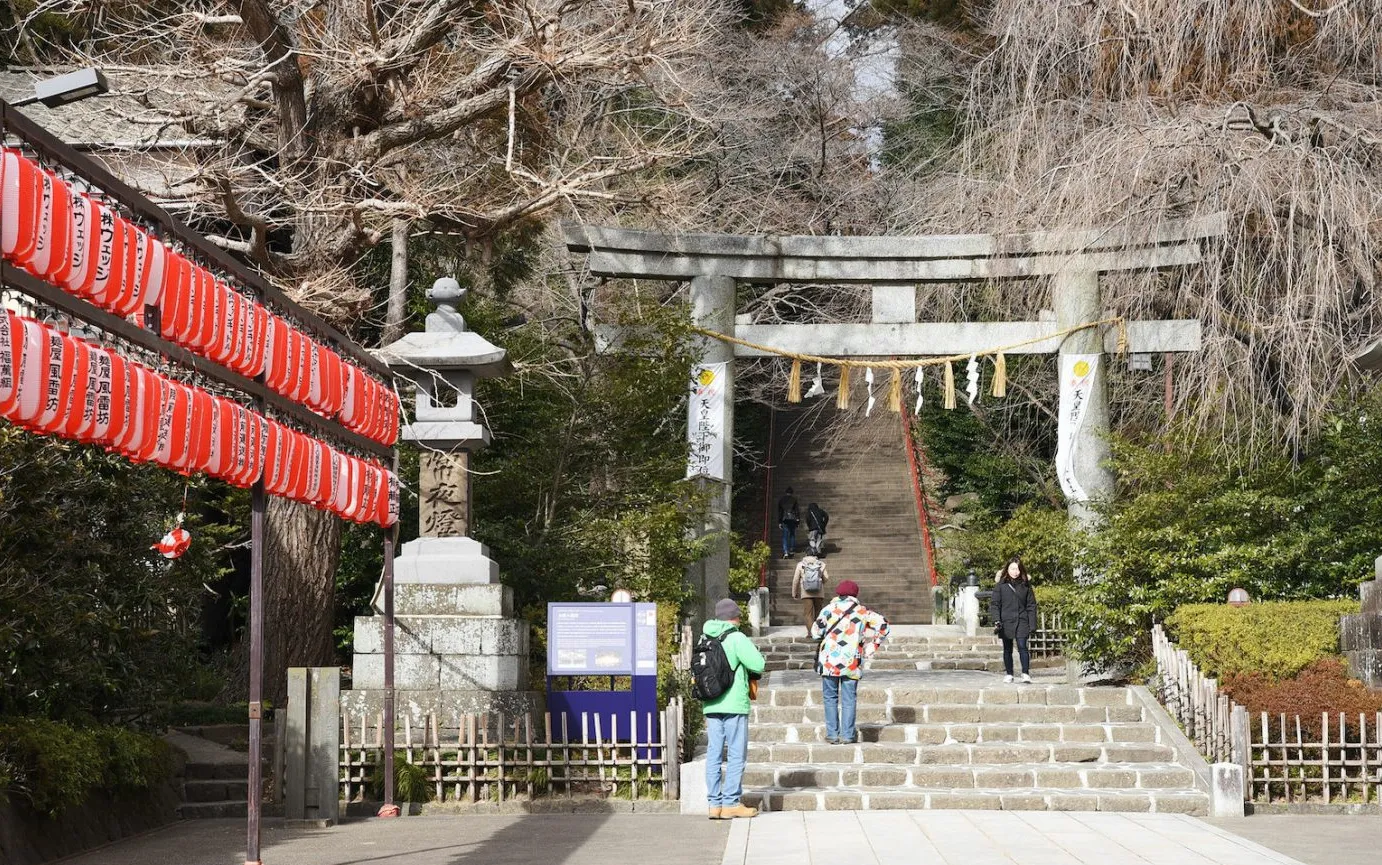
The main access to Osaki Hachimangu Shrine involves climbing a long staircase, which can be challenging for people with reduced mobility or wheelchair users. However, there is an alternative accessible path from the rear or side of the shrine, although it may be less direct. I recommend contacting the shrine directly or checking specific accessibility guides to confirm the latest details. Unfortunately, we do not have a direct phone number or email for tourists, but the Tohoku tourism office may be able to provide more accurate information.

What other attractions or places of interest are near Osaki Hachimangu that are worth visiting?

Very close to Osaki Hachimangu, you can explore the Sendai Castle Site (Aoba Castle Site), which offers panoramic views of the city and is a key place in the history of Date Masamune. The Sendai City Museum will also allow you to delve deeper into local history. Both are easily accessible on the same Loople Sendai sightseeing bus, which connects the city’s main attractions. You may also consider the Tohoku Botanical Garden if you enjoy nature.

Do you have any practical tips to make the most of my visit to Osaki Hachimangu?

Of course! To make the most of your visit, wear comfortable shoes, as there are stairs and some walking involved. Arrive early to avoid crowds and capture the beauty in good light. Dress respectfully, as this is a sacred place. If you are interested in culture, consider buying a goshuin-cho to collect shrine stamps, a beautiful Japanese tradition that records your visits to temples and shrines. And don’t forget your camera!

¿Prefieres escuchar en español?

🇪🇸 Escucha la audioguía de Osaki Hachimangu Shrine en español