¿Sabías que este rincón escondido de Aomori protegió un castillo entero de espíritus vengativos? Escucha los secretos que los cerezos susurran.
Gosha Shrine is generally open 24 hours a day, although access to the main halls or office may have specific hours, usually from 9:00 a.m. to 5:00 p.m. To get there, the most convenient option is to take a bus from Aomori Station or, if you are coming by car, parking is available. I recommend checking the exact hours on its official website before your visit to avoid surprises: Gosho-no-Okami Jingu on Japan Travel.
Entry to Gosha Shrine itself is free, allowing you to explore the grounds and enjoy its spiritual atmosphere. However, if you wish to take part in a special ceremony, receive a blessing (o-harai), or purchase an amulet (omamori), these services do have an associated cost. I suggest bringing some cash if you are interested in any of these additional experiences.
For a relaxed visit, exploring the buildings, gardens, and taking in the tranquility of the place, I would recommend setting aside between 30 minutes and 1 hour. If you are interested in photography, taking part in a small ceremony, or simply enjoying the atmosphere, you could stay a bit longer. It really depends on your level of interest and curiosity.
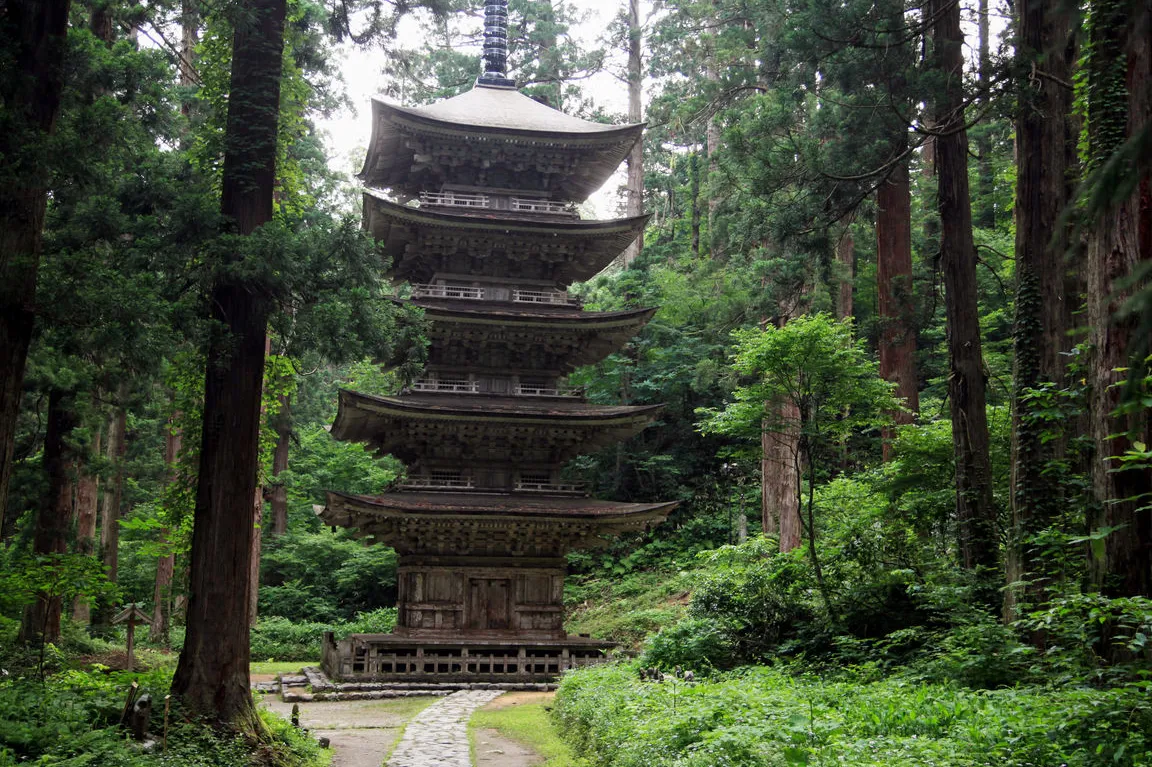
Gosha Shrine, although perhaps not as famous as other shrines in Japan, has deep local and spiritual significance. 'Gosha' means 'five shrines,' which often indicates that it is dedicated to several Shinto deities or that it combines the worship of multiple smaller shrines into one. These shrines are often associated with protecting the local community, bringing good fortune, and supporting agricultural or fishing prosperity. It is a place where people come to pray for their own well-being and that of their families.
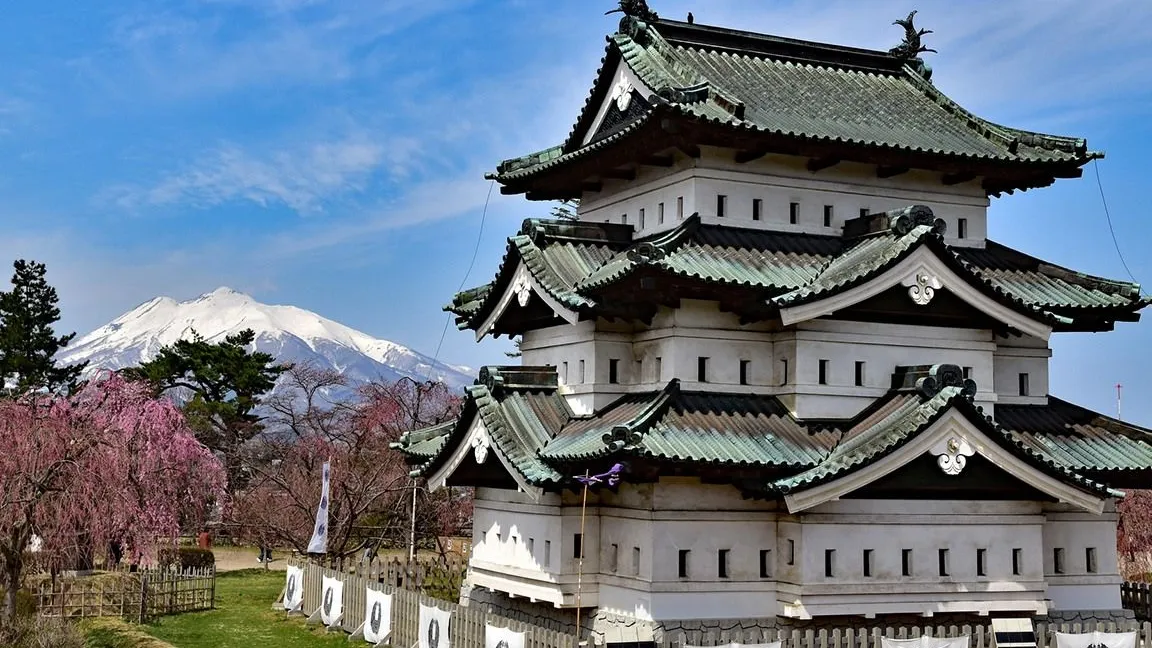
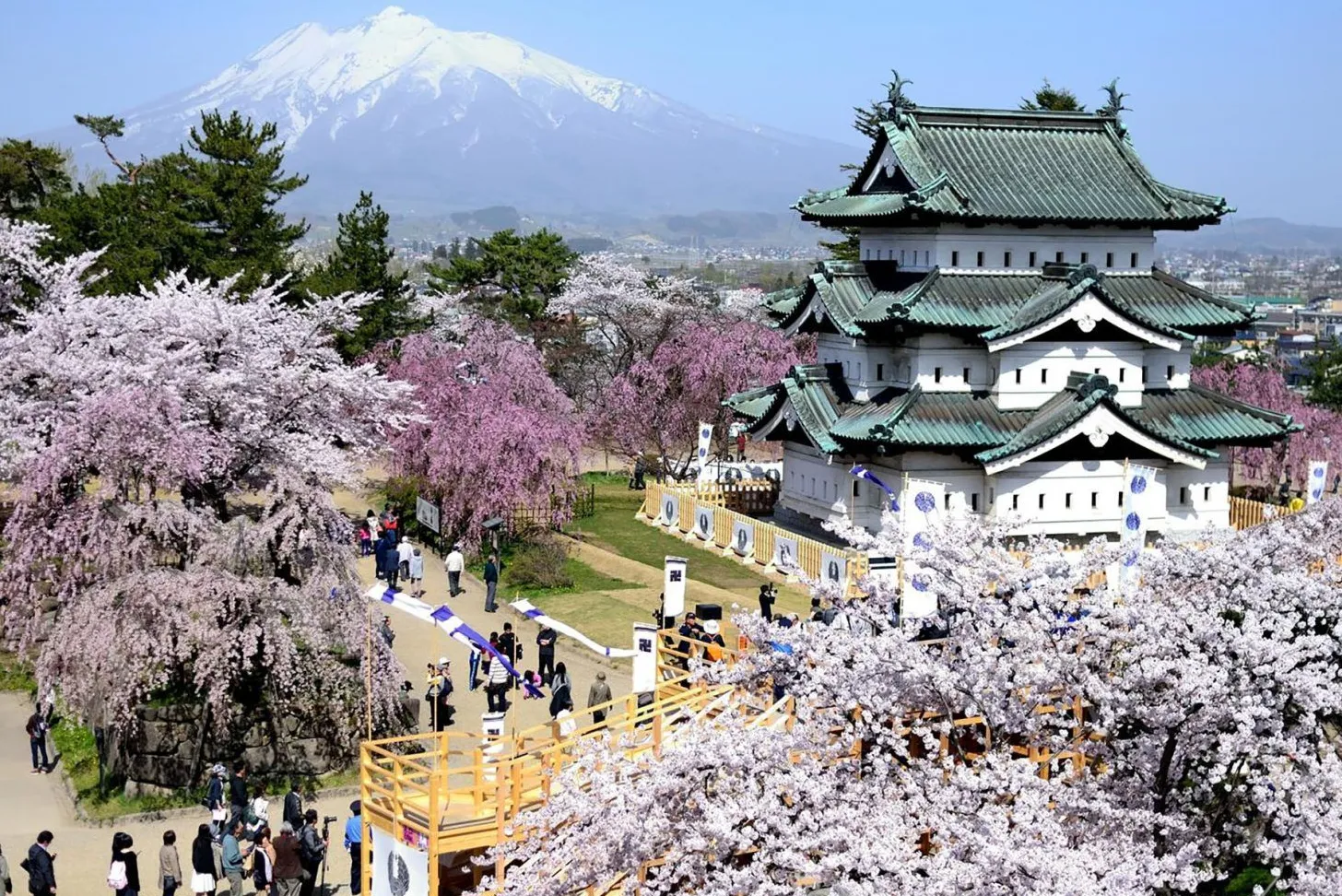
Spring, especially during cherry blossom season, and autumn, with the vibrant maple foliage, are visually spectacular times to visit Gosha Shrine. However, any time of year is a good time to go. To avoid crowds and enjoy a more serene atmosphere, I recommend going early in the morning. Morning light is also ideal for photography. If you go at sunset, the lighting can also be very special.
As a traditional Japanese shrine, many of its structures may include steps and gravel paths, which can make wheelchair access challenging. However, shrines often have at least one main route that is more accessible or temporary ramps. I suggest contacting the shrine directly before your visit to get more precise accessibility information. Here you can find information about Aomori: Aomori on Japan Travel.
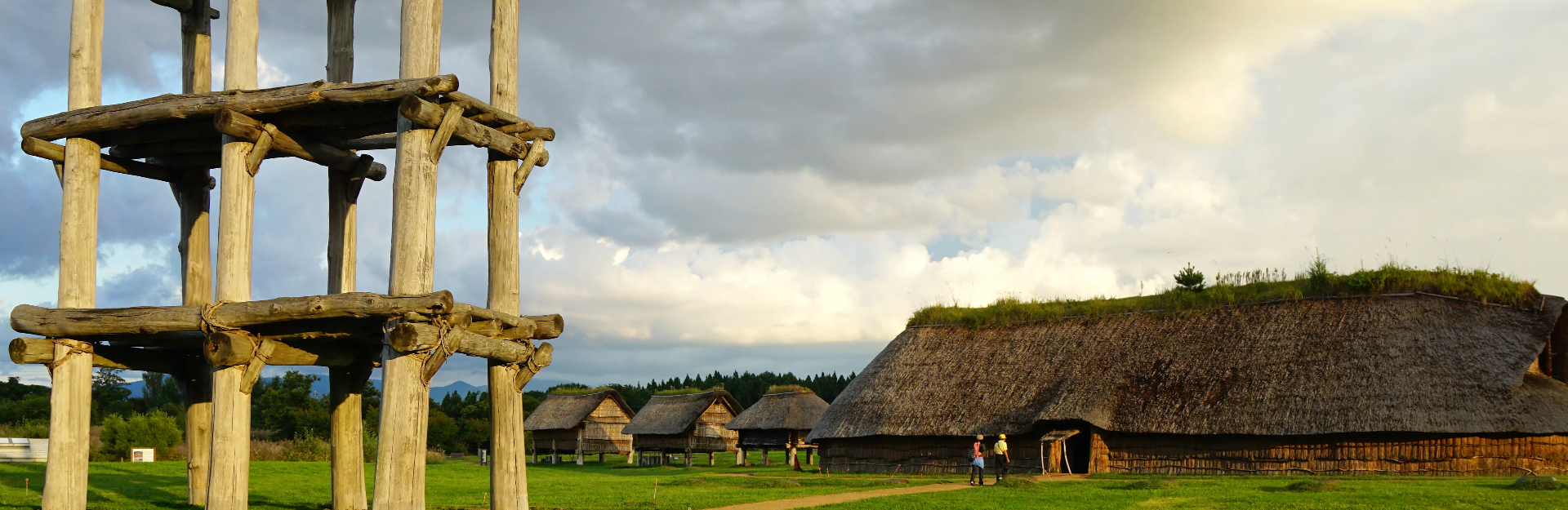
Aomori has a lot to offer! Near Gosha Shrine, you can visit Nebuta Museum WA RASSE, the Aomori Museum of Art, famous for its Aomori-ken dogs, or the ASPAM building with its panoramic observation deck and local products. If you are interested in nature, the Sannai-Maruyama Jomon site is a fascinating archaeological site. Here is a link to explore more options in Aomori: Aomori on Experience Tohoku.
Of course—here are a few tips: wear comfortable clothing and shoes, as you will likely do some walking. Be respectful of local customs by bowing slightly when entering through the torii gates and purifying yourself at the temizuya fountain by washing your hands and mouth before approaching the main hall. Bring a camera, but ask before photographing people or during specific ceremonies. Most importantly, take your time to enjoy the serenity of the place and absorb its atmosphere.
¿Prefieres escuchar en español?
🇪🇸 Escucha la audioguía de Gosha Shrine en español