Discover the history and secrets of this place with our audio guide.
The Sannai-Maruyama Ruins are open from 9:00 AM to 5:00 PM (last admission at 4:30 PM). You can get there by bus from JR Aomori Station, taking the Aomori Noria-i bus line (青森市営バス) bound for Sannai-Maruyama Iseki (三内丸山遺跡), or by car, as parking is available. For more details on how to get there, you can visit their access page.
Admission to the historic Sannai-Maruyama Ruins site is free. However, the Jomon Jiyukan Museum, located within the complex, has an admission fee of 410 yen for adults. Parking is also free. All fare and access information can be found in their information section.
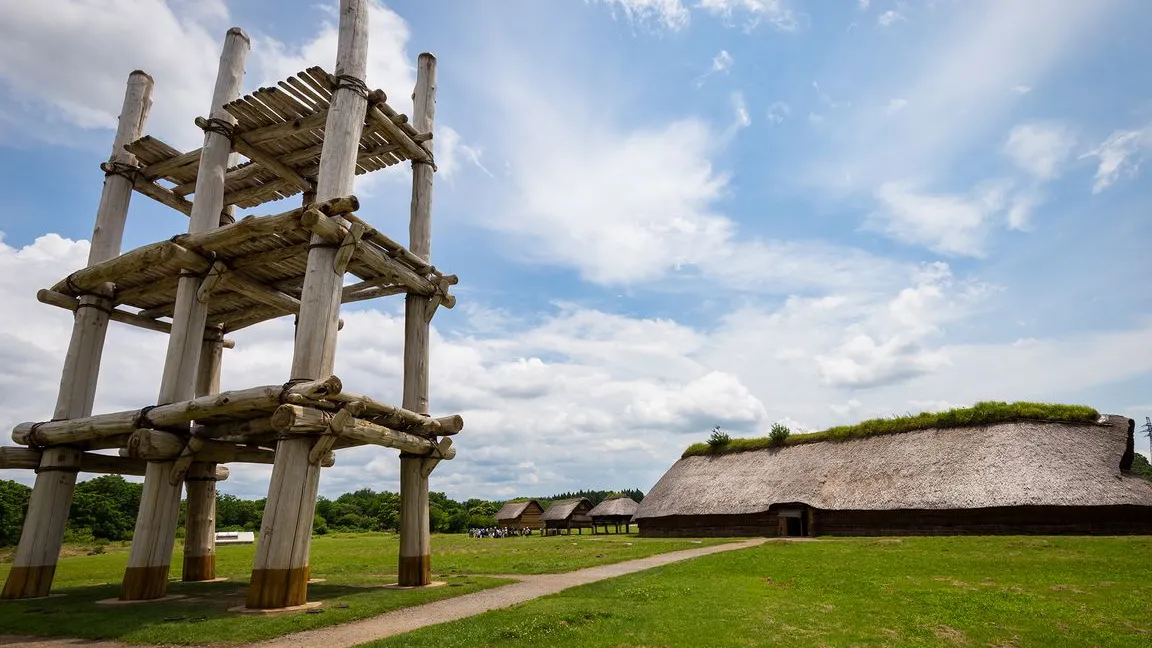
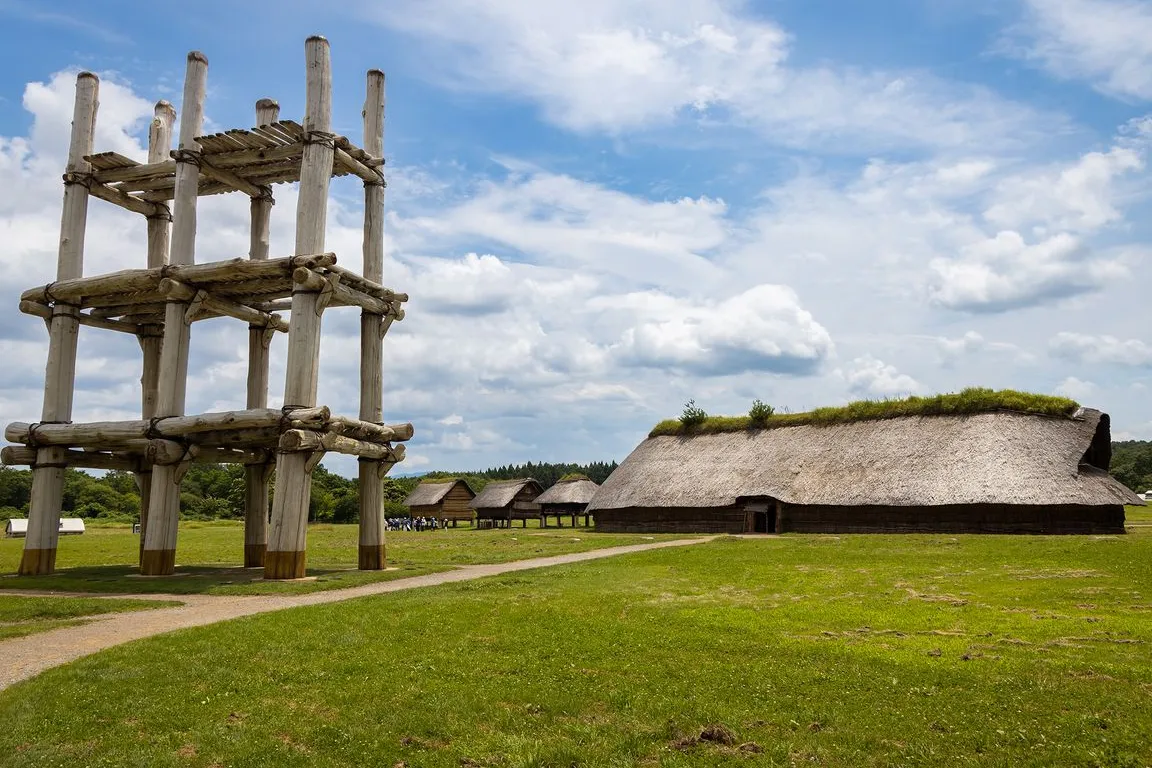
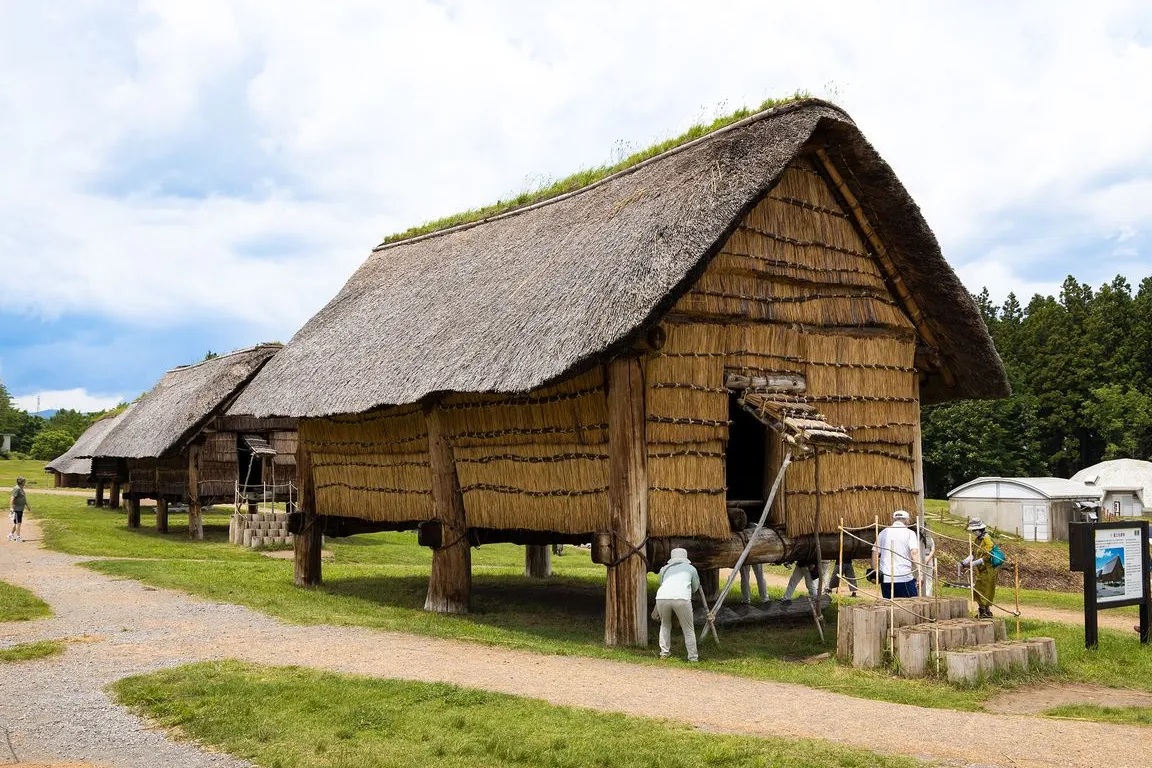
For a full experience exploring both the outdoor ruins and the Jomon Jiyukan Museum, we recommend allowing 2 to 3 hours for your visit. This will give you enough time to enjoy the reconstructed dwellings, learn about Jomon culture, and see the exhibitions and archaeological finds.
The Sannai-Maruyama Ruins are one of Japan’s most important archaeological sites, dating to the Middle Jomon period (about 5,900 to 4,200 years ago). They reveal a large settlement that was permanently inhabited for a long period, challenging the idea that hunter-gatherers were nomadic. They were designated a UNESCO World Heritage Site in 2021 as part of the "Jomon Prehistoric Sites in Northern Japan."
Spring and autumn are the best seasons to visit because of the pleasant temperatures and natural scenery. Summer can be hot, and in winter the site is covered in snow, although that offers a different kind of landscape. Visiting first thing in the morning (9:00 AM) will help you avoid crowds and enjoy a quieter experience.
Yes, the Sannai-Maruyama Ruins are designed to be accessible. There are ramps, elevators, and accessible restrooms in the Jomon Jiyukan Museum, and the paths in the outdoor area are mostly flat or have surfaces suitable for wheelchairs and strollers. You can find more details about accessibility on the official website or by calling +81-17-766-8282.
Of course! After visiting the ruins, you can stop by the Aomori Museum of Art, right next door, which features an impressive collection of contemporary art, including Yoshitomo Nara’s famous "Aomori-ken" giant dog. You can also explore the nearby Aomori Traditional Crafts Center to learn more about local culture.
I recommend starting at the Jomon Jiyukan Museum to get historical context and see the exhibits before exploring the outdoor ruins. Consider using an audio guide if available, or look up information in English before you go. Wear comfortable shoes, as you will be walking quite a bit, and bring water, especially in summer. For current information on events or closures, always check their official website.
¿Prefieres escuchar en español?
🇪🇸 Escucha la audioguía de Sannai-Maruyama Ruins en español