No te vayas sin conocer la historia Suscribete
IAudioGuia iaudioguia
Audio Guides of Naha

Audio Guide of Fukushuen Garden

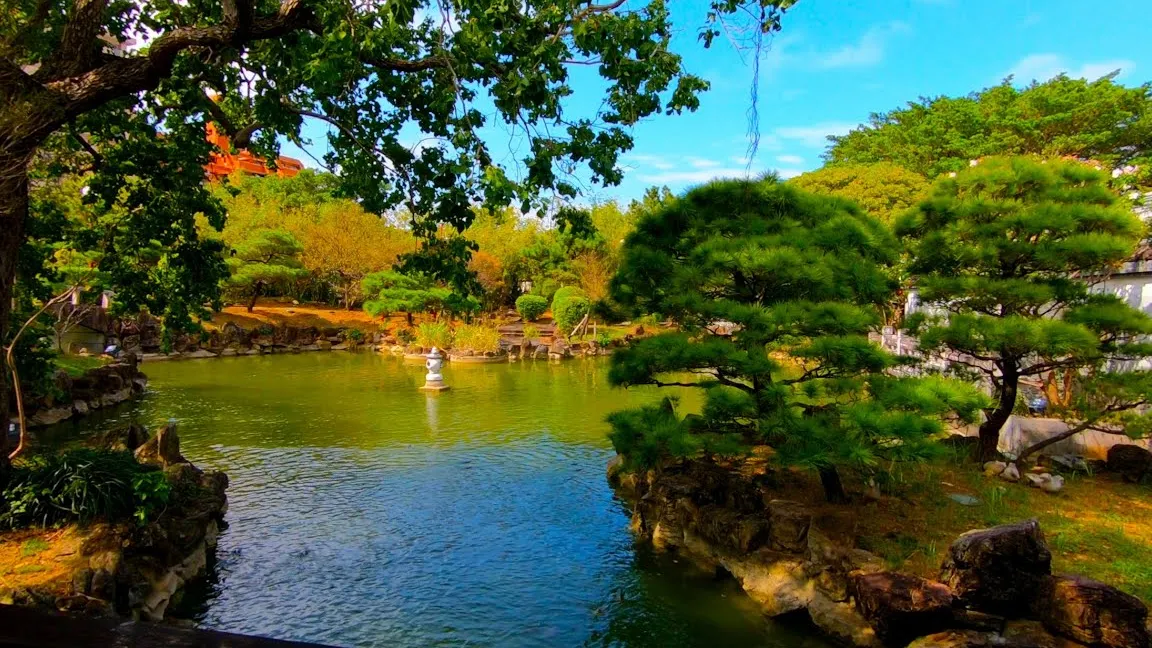
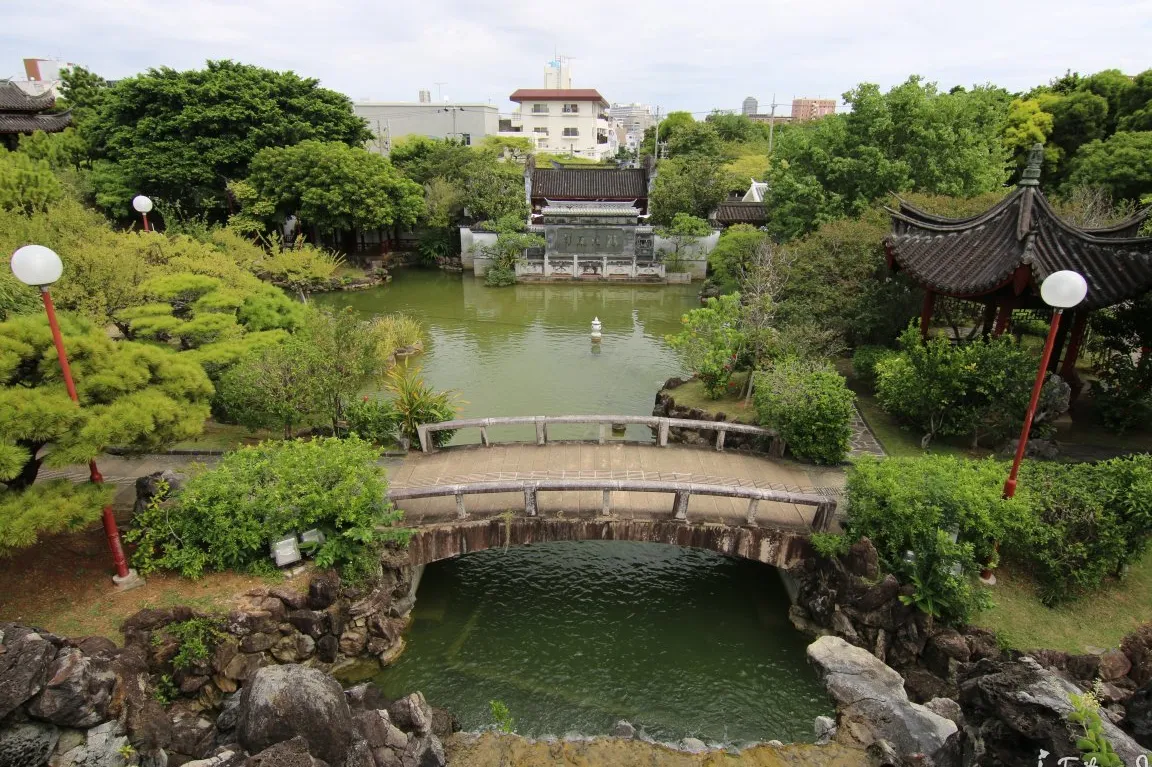
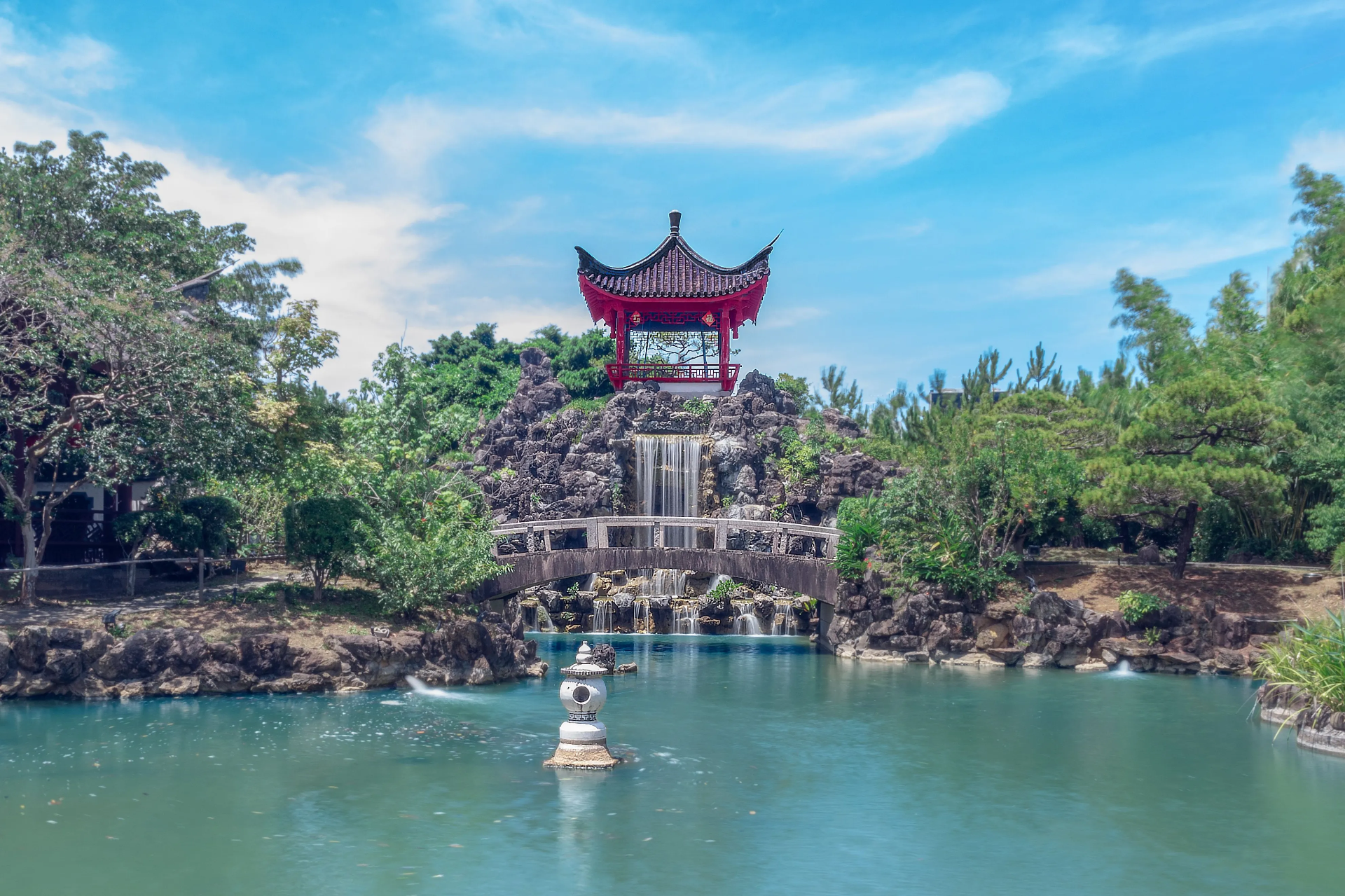
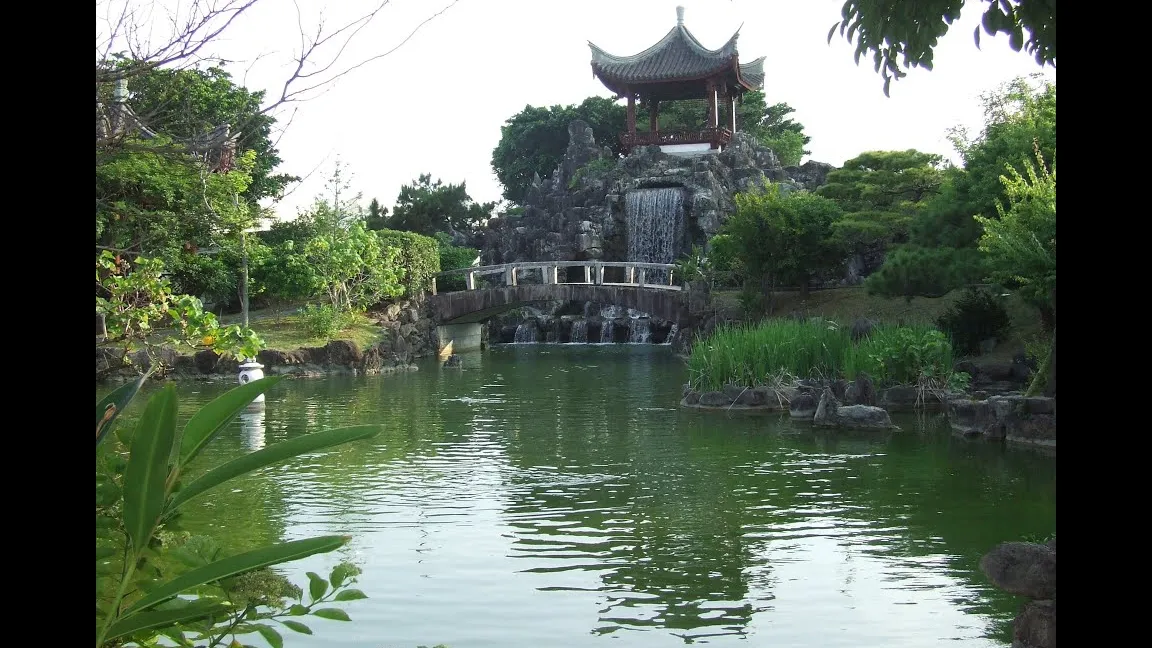
El jardín chino que cruzó el mar para convertirse en un oasis de ironías históricas en Okinawa.

✓ What guidebooks don't tell you
✓ Secrets other tourists miss
✓ Listen while you explore
Discover everything
00:00
00:00
Rate this audio guide

📖 Audio Guide Chapters

6 chapters

1. A dragon on hostile ground

🔒 Premium Content

Subscribe to access all chapters of this audio guide.

2. Bridges that outwit ghosts

🔒 Premium Content

Subscribe to access all chapters of this audio guide.

3. The builders who talked to fish

🔒 Premium Content

Subscribe to access all chapters of this audio guide.

4. The mystery of the drunken trees

🔒 Premium Content

Subscribe to access all chapters of this audio guide.

5. Search for the invisible bat

🔒 Premium Content

Subscribe to access all chapters of this audio guide.

6. Take this secret with you

🔒 Premium Content

Subscribe to access all chapters of this audio guide.

❓ Frequently Asked Questions

I’ll be in Naha. What are the opening hours of Fukushuen Garden, and what is the best way to get there?

The garden is open every day from 9:00 a.m. to 6:00 p.m., except on Wednesdays, when it is closed for maintenance. The easiest way to get there is to walk about 10 minutes from Kencho-mae Monorail Station or from the Kokusai Dori shopping area.

Do I have to pay admission to visit the garden, or is it free?

Yes, there is currently a very affordable admission fee: 200 yen for adults and 100 yen for children (prices subject to change). You can buy your tickets directly at the ticket window at the main entrance.

How much time should I set aside in my itinerary to explore the entire park at a relaxed pace?

A full visit usually takes between 45 minutes and one hour, which is enough time to stroll along the paths and enjoy the waterfall. It is a compact space, ideal for a relaxing break, yet full of photogenic corners you will want to capture.

I’m surprised by the architectural style. What is the history behind this garden, and why does it look Chinese?

The garden opened in 1992 to celebrate the friendship between Naha and the Chinese city of Fuzhou, using materials and craftsmen brought directly from China. It is a cultural symbol honoring centuries of trade and diplomatic relations between the Ryukyu Kingdom and China.

What is the best time of day or year to enjoy the garden without crowds?

I recommend visiting early in the morning or at sunset, when the light enhances the beauty of the pagoda and the ponds. Spring and autumn are ideal in terms of weather, although as a subtropical-style garden, it stays green and vibrant all year round.

I’m traveling with someone with reduced mobility. Is the park accessible for wheelchairs?

Most of the main paths are flat and accessible, allowing visitors to enjoy the general views of the garden and the pond. However, keep in mind that reaching the top of the artificial hill or crossing certain stepped bridges may not be possible in a wheelchair.

Since I’ll be in the Kume area, what other interesting places can I visit near the garden?

Less than a 10-minute walk away is the famous Naminoue Shrine, spectacularly perched on a cliff beside the beach. You are also very close to Naminoue Beach if you feel like taking a quick swim after your cultural stroll.

What practical tip would you give me to get the most out of my visit and my photos?

Buy a bag of fish food at the entrance; feeding the colorful koi carp and turtles from the bridges will give you the best photos and videos. Also, do not miss the view from behind the artificial waterfall for a unique perspective of the garden.

¿Prefieres escuchar en español?

🇪🇸 Escucha la audioguía de Fukushuen Garden en español