No te vayas sin conocer la historia Suscribete
IAudioGuia iaudioguia
Audio Guides of Nagasaki

Audio Guide of Suwa Shrine

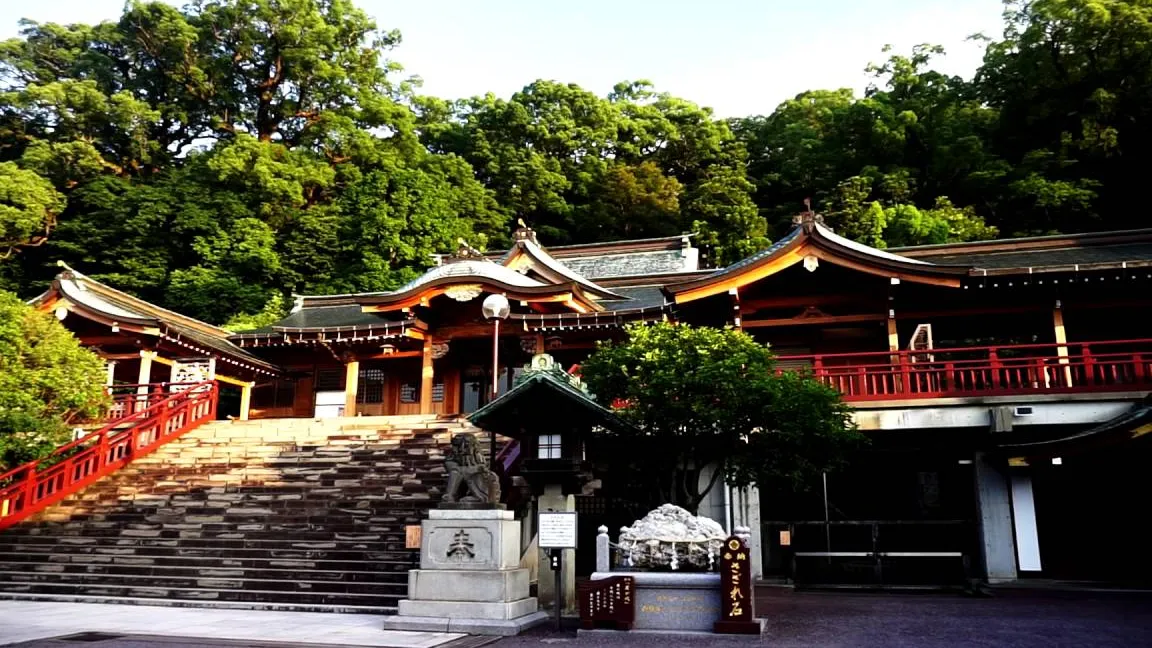
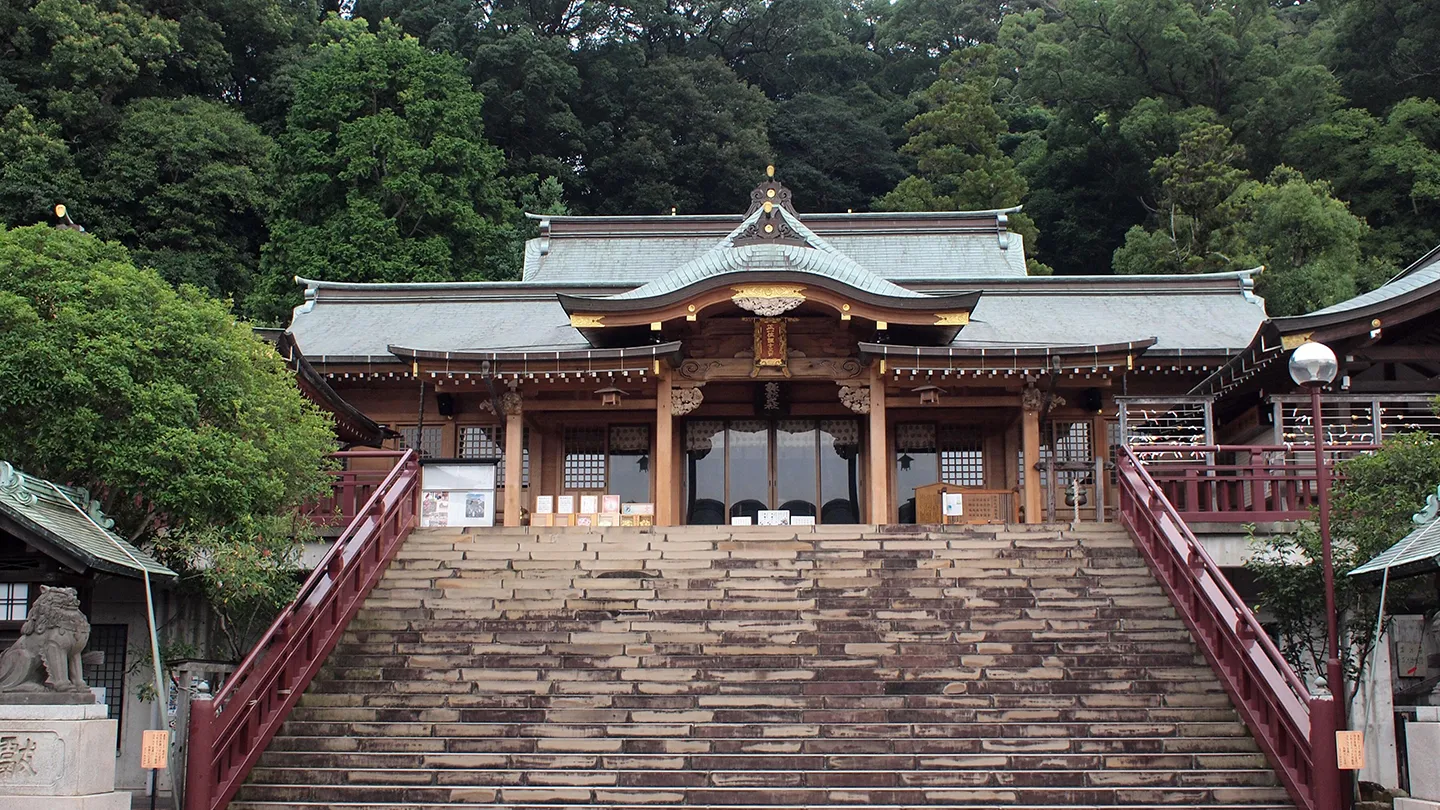
Suwa Shrine is the main Shinto shrine of Nagasaki, a place of deep reverence and rich history that rises majestically above the city.

✓ What guidebooks don't tell you
✓ Secrets other tourists miss
✓ Listen while you explore
Discover everything
00:00
00:00

📖 Audio Guide Chapters

6 chapters

1. Introduction and History

🔒 Premium Content

Subscribe to access all chapters of this audio guide.

2. Architecture and Design

🔒 Premium Content

Subscribe to access all chapters of this audio guide.

3. Deities and Festivities

🔒 Premium Content

Subscribe to access all chapters of this audio guide.

4. Connection with Nagasaki

🔒 Premium Content

Subscribe to access all chapters of this audio guide.

5. Curiosities and Highlights

🔒 Premium Content

Subscribe to access all chapters of this audio guide.

6. Legacy and Current Relevance

🔒 Premium Content

Subscribe to access all chapters of this audio guide.

❓ Frequently Asked Questions

What are the opening hours of Suwa Shrine and how can I get there?

Suwa Shrine is open 24 hours a day, although the shrine office is usually open from 09:00 to 17:00. You can get there easily by Nagasaki tram: take Line 3 to the 'Suwa-jinja Mae' stop (Stop information). From there, it is just a short walk and a set of stairs to the main entrance.

Is there an admission fee to visit Suwa Shrine?

No, it is completely free! You can explore Suwa Shrine and its grounds without buying a ticket. However, offerings for the upkeep of the shrine are always appreciated.

How much time should I allow for a visit to Suwa Shrine?

Generally, 1 to 2 hours is enough to explore the main shrine, admire its buildings, see the koi ponds, and enjoy the peaceful atmosphere. If you are interested in the finer details, you may want to stay a little longer.

What is the historical or cultural importance of Suwa Shrine in Nagasaki?

Suwa Shrine is the most important Shinto shrine in Nagasaki and is known for hosting the famous Nagasaki Kunchi Festival every autumn. It was built in 1641 to restore the Shinto faith in the region and eliminate Christianity, which had spread strongly. It is a symbol of the city's rich history and cultural resilience (More about the shrine).

When is the best time to visit Suwa Shrine?

The best time is during the Kunchi Festival season in October for a vibrant cultural experience, although it is more crowded. For a quieter visit, early morning or late afternoon is ideal, especially outside the peak season, to enjoy the serenity of the place and avoid the crowds.

Is Suwa Shrine accessible for people with reduced mobility?

The main access to Suwa Shrine involves climbing many stairs, which can be challenging for visitors with reduced mobility. However, there is a side entrance with an elevator and an access ramp to make it easier to reach the main shrine area. You can ask about the 'elevator entrance' when you arrive (Check accessibility).

Are there other interesting attractions near Suwa Shrine?

Yes, very close by you can visit the charming Garden of the Cranes ('Chinzei Grand Crane Garden'), a peaceful place with a crane statue. Also, the Nagasaki Museum of History and Culture is within walking distance, offering an in-depth look at local history. And on the way down, you are close to the tram area for reaching other points of interest in Nagasaki.

What are the best practical tips to make the most of my visit to Suwa Shrine?

Wear comfortable shoes, as there are quite a few stairs and you will need to walk. Consider going early to enjoy the peaceful atmosphere. If you are interested in calligraphy, you can get a Goshuin (stamp seal) at the shrine office for your stamp book. And do not forget your camera for the stunning views and architecture!

¿Prefieres escuchar en español?

🇪🇸 Escucha la audioguía de Suwa Shrine en español