No te vayas sin conocer la historia Suscribete
IAudioGuia iaudioguia
Audio Guides of Tokio

Audio Guide of Sensō-ji

Discover the history and secrets of this place with our audio guide.

✓ What guidebooks don't tell you
✓ Secrets other tourists miss
✓ Listen while you explore
Discover everything
00:00
00:00

📖 Audio Guide Chapters

6 chapters

1. Introduction

🔒 Premium Content

Subscribe to access all chapters of this audio guide.

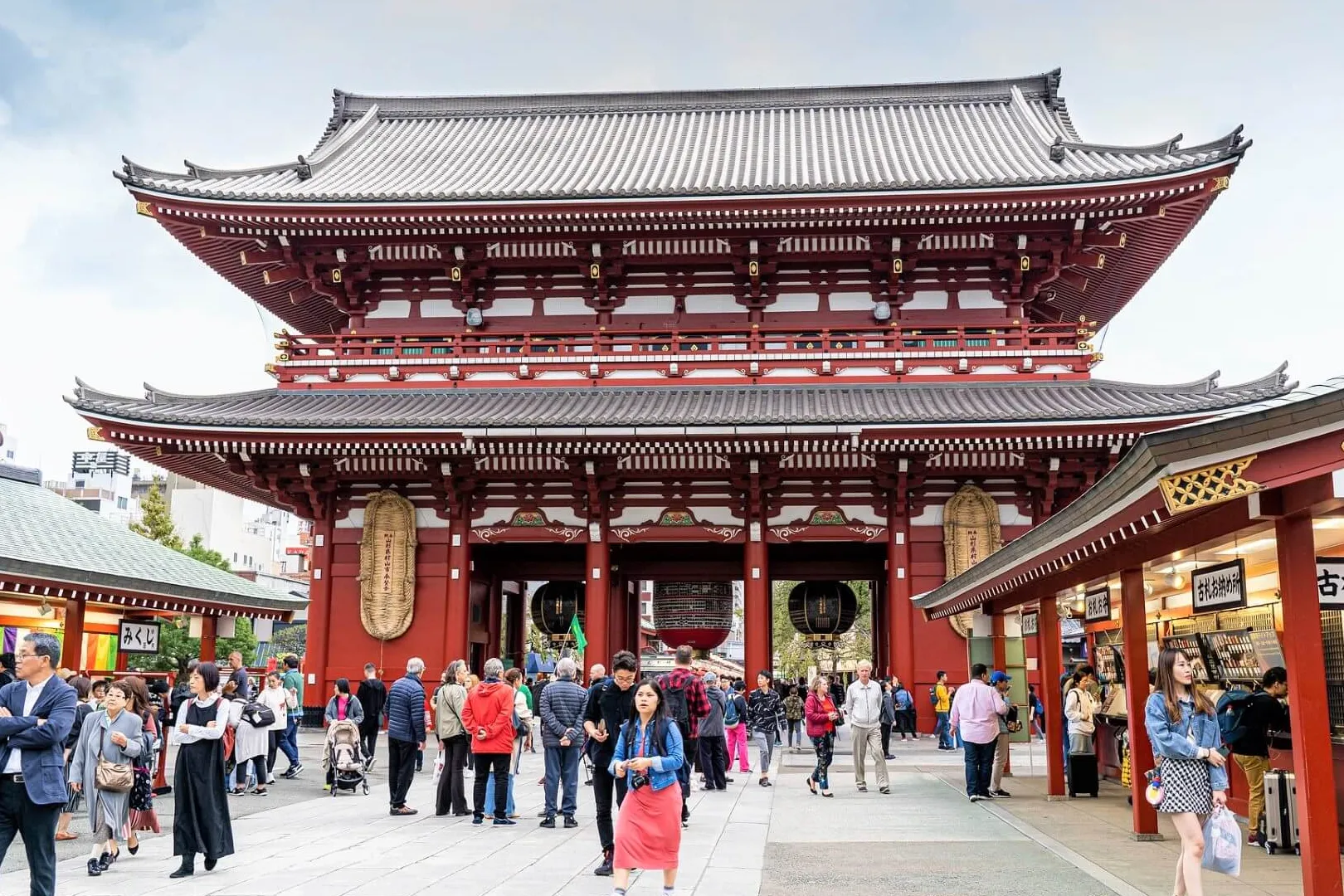
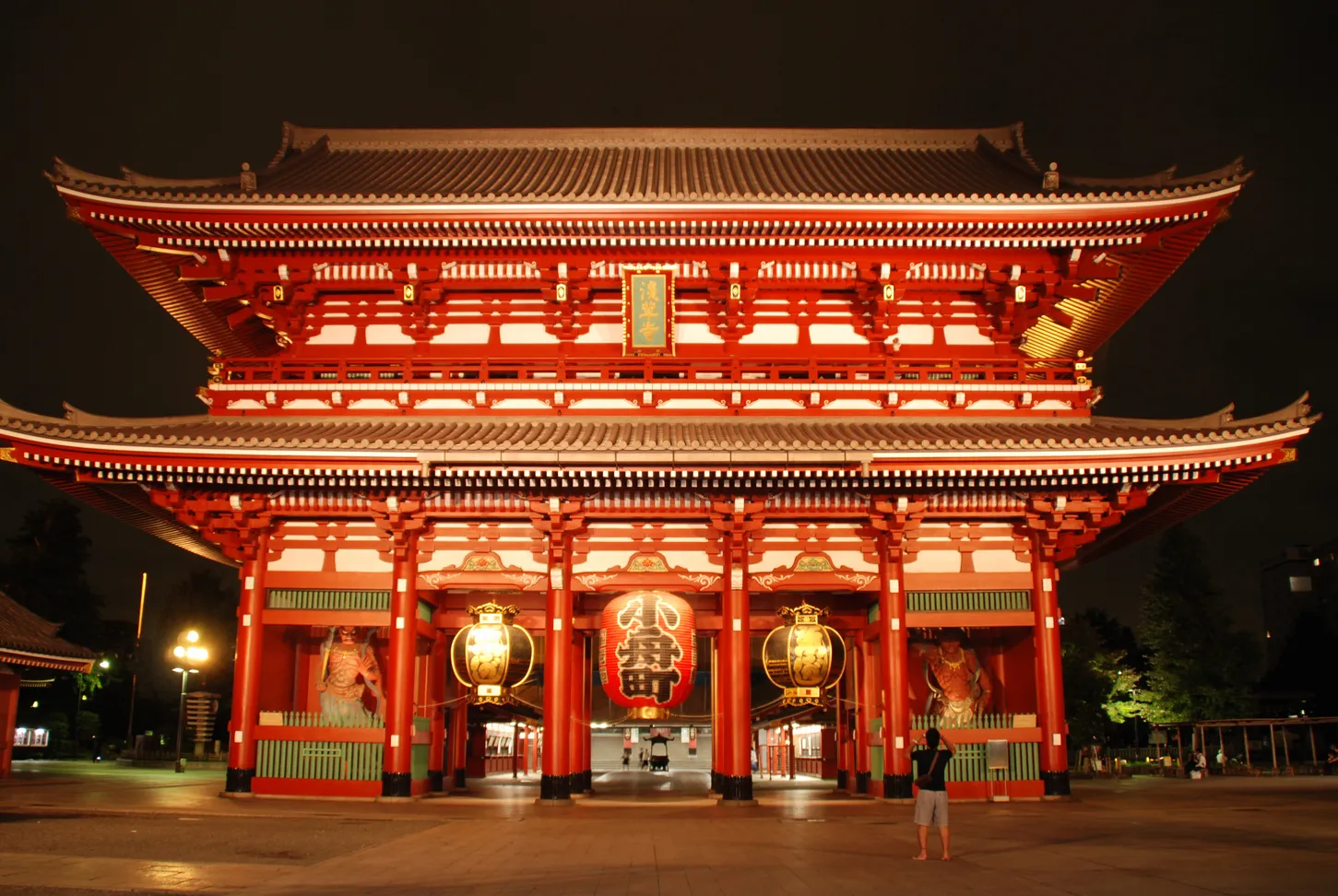
2. Kaminarimon Gate

🔒 Premium Content

Subscribe to access all chapters of this audio guide.

3. Nakamise Street

🔒 Premium Content

Subscribe to access all chapters of this audio guide.

4. Hondō Hall

🔒 Premium Content

Subscribe to access all chapters of this audio guide.

5. Temple Garden

🔒 Premium Content

Subscribe to access all chapters of this audio guide.

6. Final Reflections

🔒 Premium Content

Subscribe to access all chapters of this audio guide.

❓ Frequently Asked Questions

What are the opening hours of Sensō-ji, and what do I need to know before visiting?

Sensō-ji and its grounds are open 24 hours a day, every day of the year, allowing for flexible access. However, the Main Hall (Hondō) is open daily from 6:00 a.m. to 5:00 p.m. (from 6:30 a.m. October to March). I recommend checking the official website for any schedule updates: senso-ji.jp.

Is there an admission fee to visit Sensō-ji?

Good news! Admission to Sensō-ji and its grounds is completely free. You can explore this impressive complex without paying any entrance fee, making it a very accessible option for all travelers.

How much time is recommended for a full visit to Sensō-ji?

To fully enjoy Sensō-ji, including Nakamise Street and its shops, most visitors spend between 1 and 2 hours. If you enjoy taking photos or exploring at a relaxed pace, you may want to stay a bit longer, especially if you visit the adjoining garden or pond.

What is the history and cultural significance of Sensō-ji?

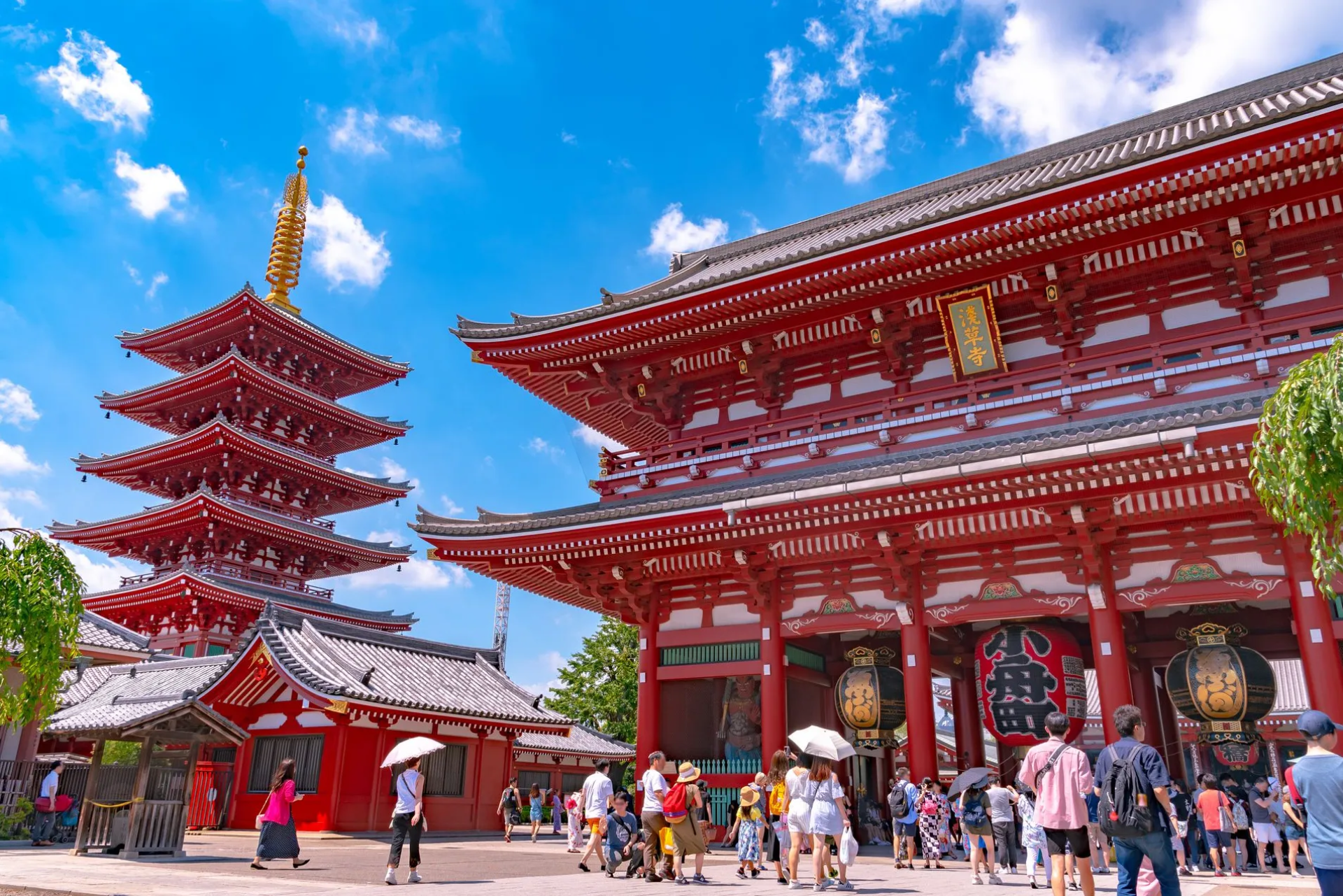
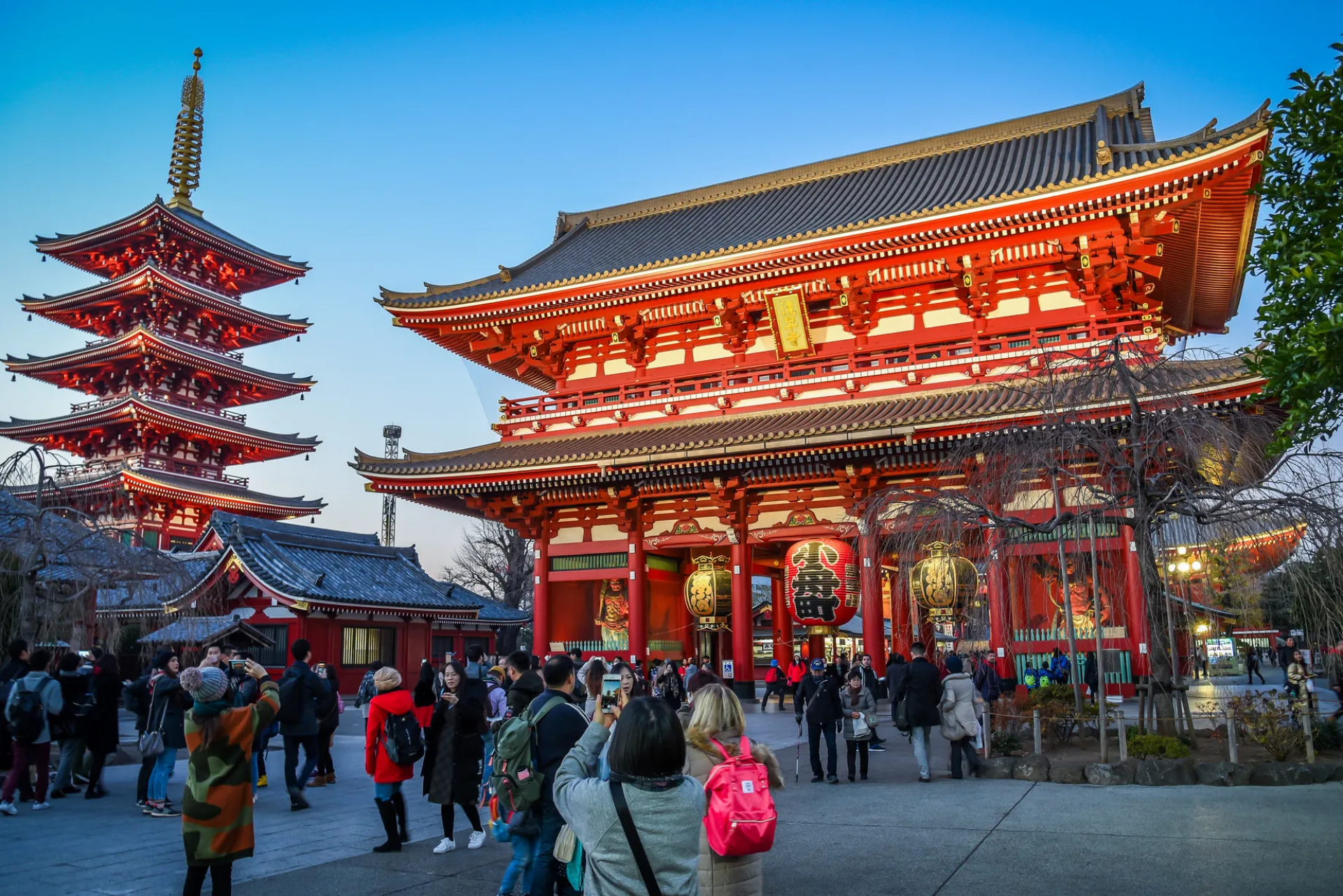
Sensō-ji is Tokyo’s oldest Buddhist temple, founded in 645 AD. It was built in honor of Kannon, the goddess of mercy, whose statue is said to have been miraculously found by two fishermen. It is a symbol of Japanese faith and culture, and a gathering place for festivals such as Sanja Matsuri, one of the largest in Tokyo.

What is the best time of year or time of day to visit Sensō-ji and avoid the crowds?

To avoid large crowds, I suggest visiting Sensō-ji early in the morning, just after the Hondō opens, or at sunset. Spring (March to May) and autumn (September to November) are ideal for the weather, but they are also peak seasons. If you want fewer people around, weekdays outside the high season are your best option.

Is Sensō-ji accessible for people with reduced mobility or wheelchair users?

Yes, Sensō-ji is quite accessible. The main paths and Nakamise Street are mostly flat. Ramps and elevators are available to reach some areas, such as the Main Hall. I recommend checking the accessibility section on the official website or contacting them directly for specific details if you have particular needs: senso-ji.jp.

What other attractions or places of interest can I visit near Sensō-ji?

Asakusa is a lively district with plenty to offer. Very close to the temple, you can visit Tokyo Skytree for panoramic views, take a relaxing boat ride on the Sumida River, or explore the traditional Kappabashi Street district, famous for its food replicas. There are also many restaurants and local shops that let you experience the authentic spirit of Tokyo.

Any practical tips or recommendations to make the most of my visit to Sensō-ji?

Of course! Arrive early to enjoy the peaceful atmosphere and take photos without heavy crowds. Dress comfortably and wear suitable footwear, as you will do quite a bit of walking. Keep temple etiquette in mind when visiting (remove your shoes if you enter the Hondō, and do not eat or drink inside). And of course, be sure to try the traditional sweets on Nakamise Street!

¿Prefieres escuchar en español?

🇪🇸 Escucha la audioguía de Sensō-ji en español