No te vayas sin conocer la historia Suscribete
IAudioGuia iaudioguia
Audio Guides of Tokio

Audio Guide of Roppongi Hills

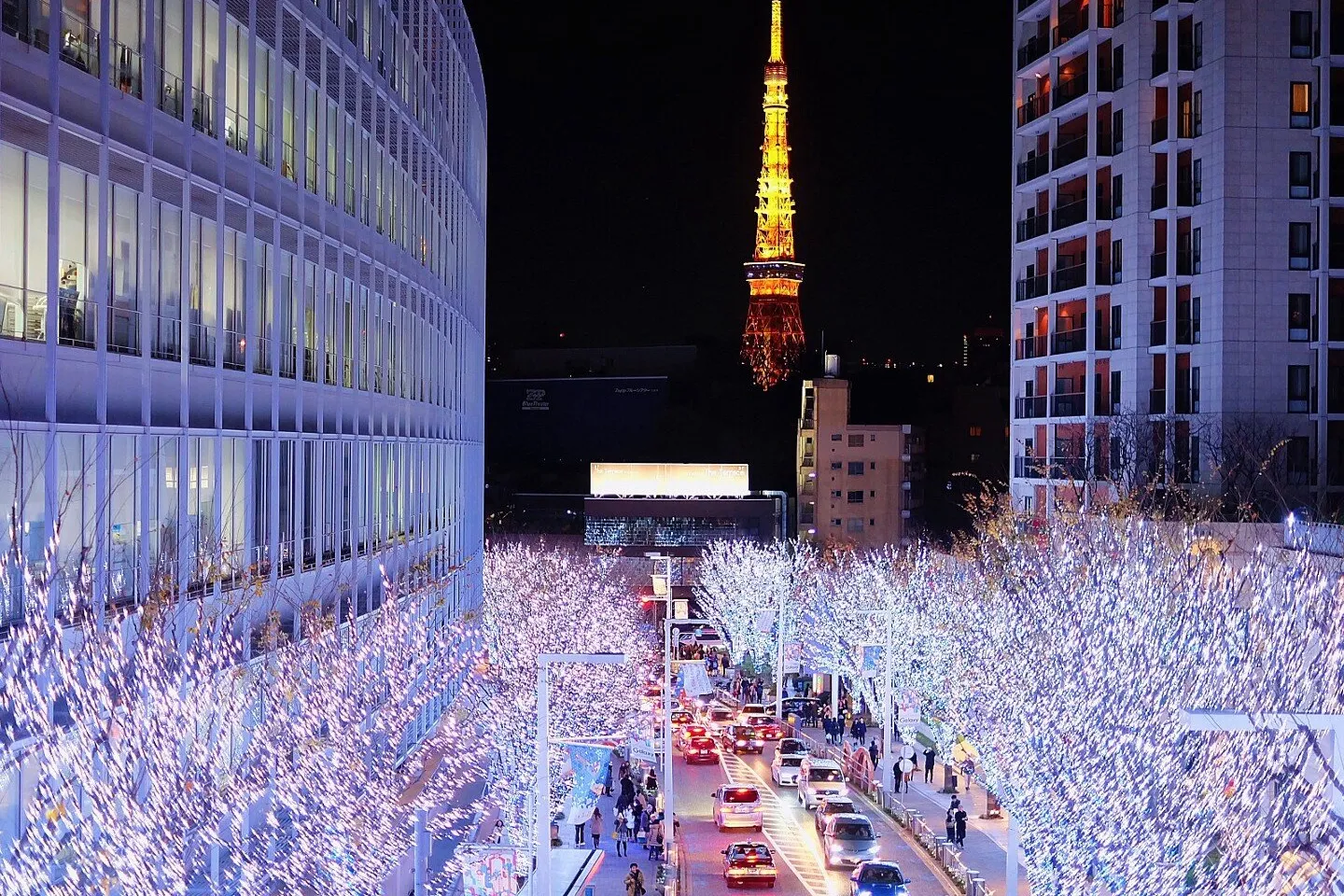
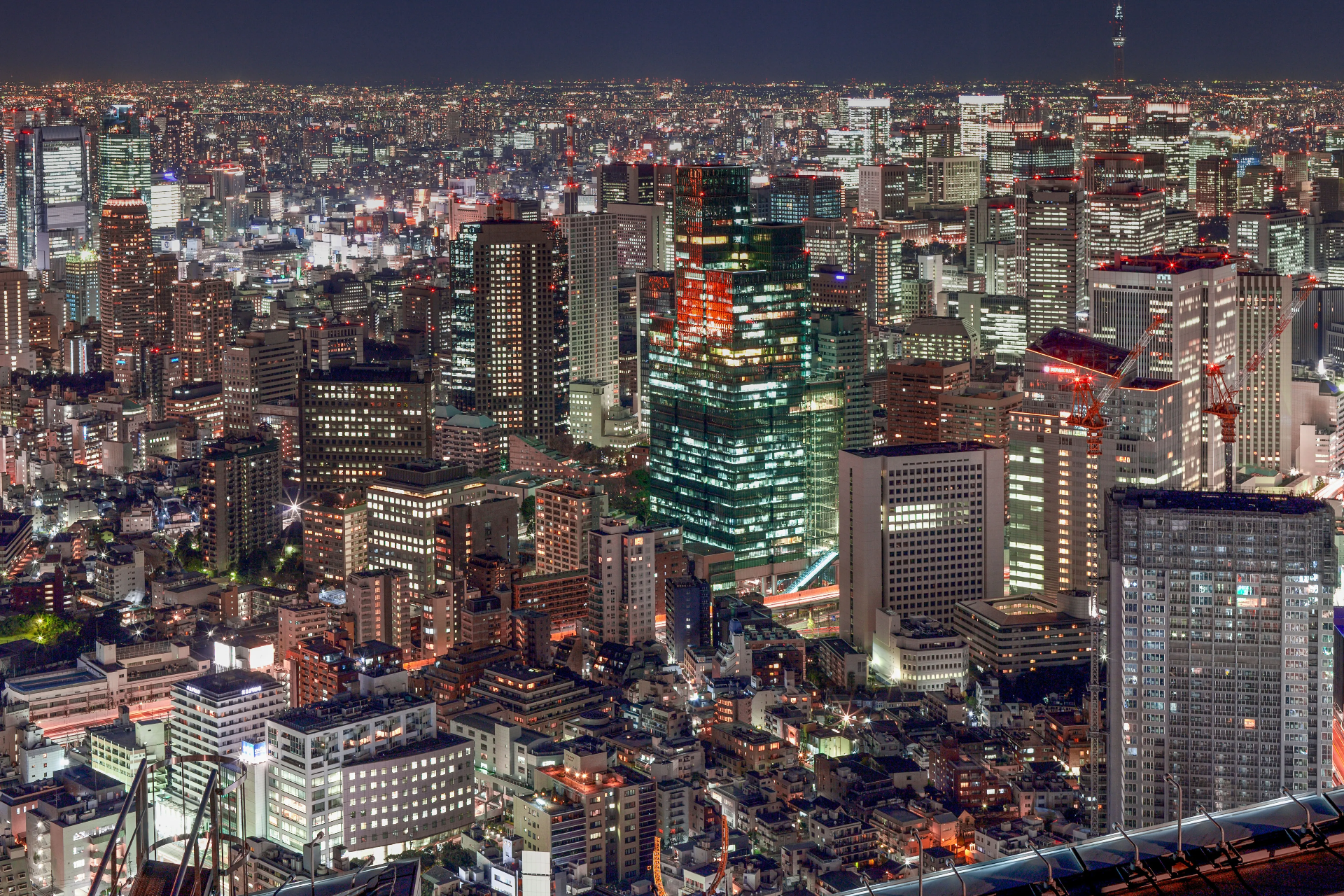
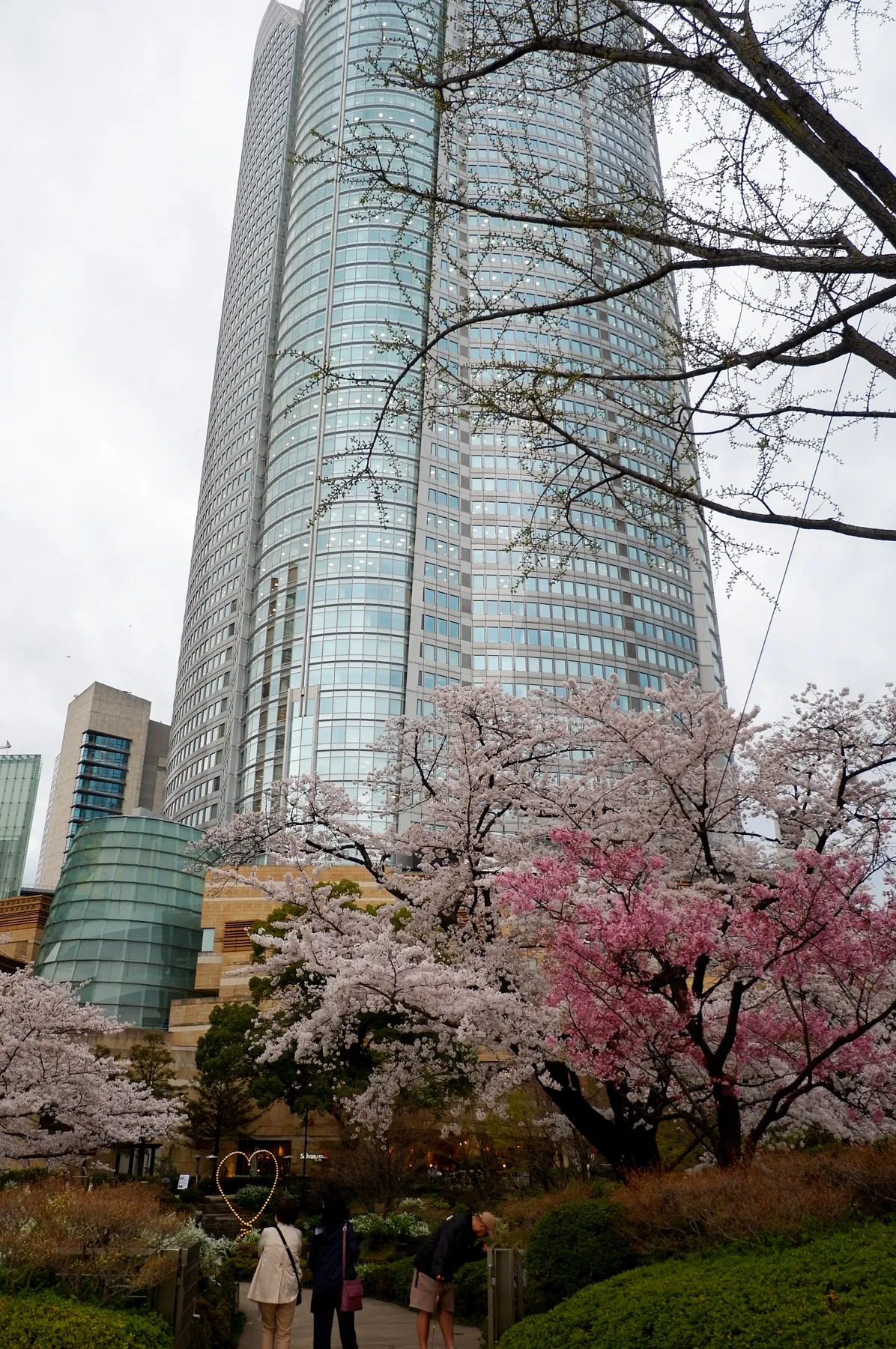
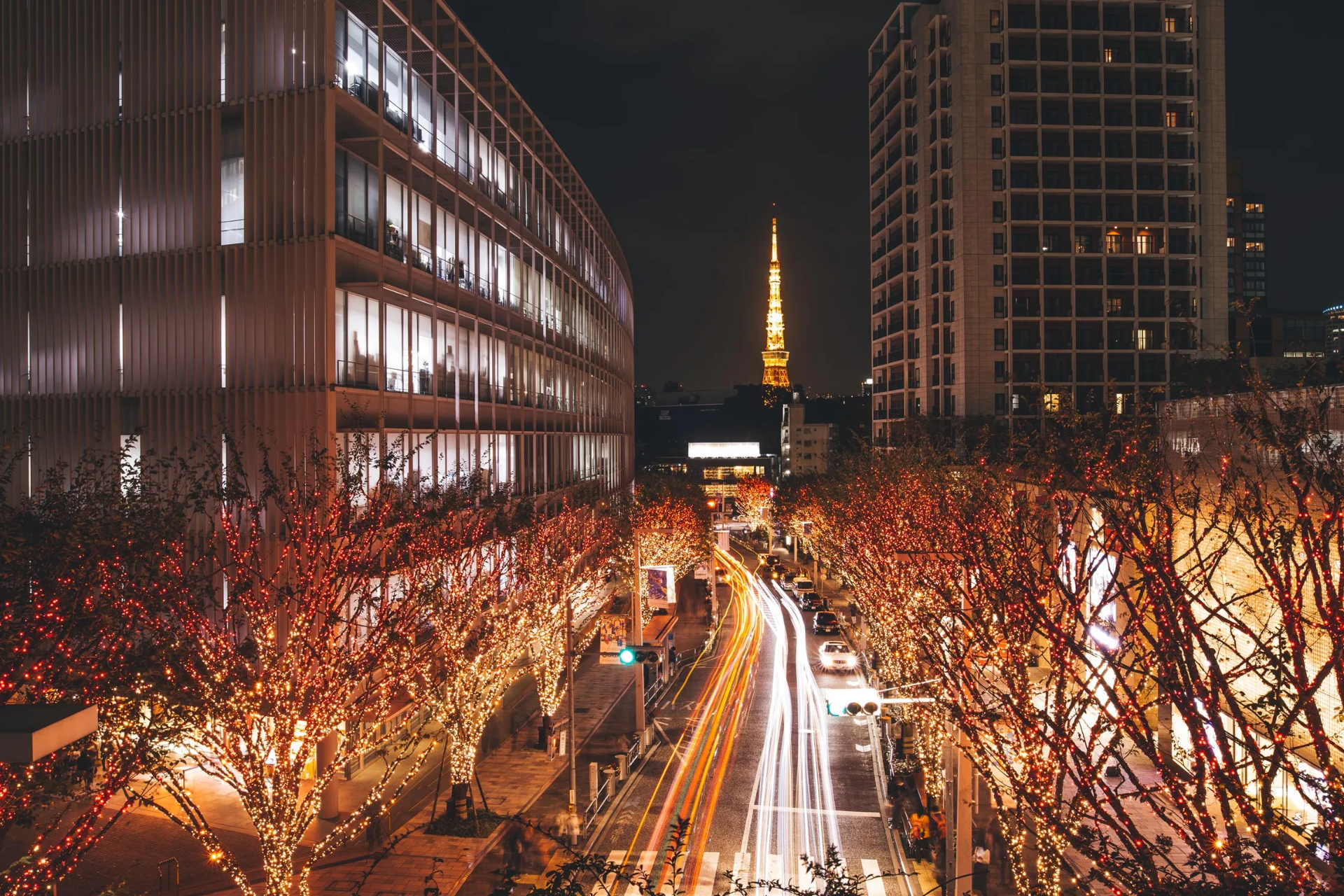
Roppongi Hills is an iconic urban complex in Tokyo that blends modern skyscrapers, contemporary art, traditional gardens, and shopping spaces in a vibrant, multifunctional setting.

✓ What guidebooks don't tell you
✓ Secrets other tourists miss
✓ Listen while you explore
Discover everything
00:00
00:00

📖 Audio Guide Chapters

6 chapters

1. Introduction and History

🔒 Premium Content

Subscribe to access all chapters of this audio guide.

2. Architecture and Design

🔒 Premium Content

Subscribe to access all chapters of this audio guide.

3. Art and Decoration

🔒 Premium Content

Subscribe to access all chapters of this audio guide.

4. Historical Figures

🔒 Premium Content

Subscribe to access all chapters of this audio guide.

5. Curiosities and Legends

🔒 Premium Content

Subscribe to access all chapters of this audio guide.

6. Cultural Importance and Legacy

🔒 Premium Content

Subscribe to access all chapters of this audio guide.

❓ Frequently Asked Questions

What are the opening hours of Roppongi Hills, and how can I get there?

Roppongi Hills is a complex with multiple attractions, so opening hours vary. Tokyo City View (the observation deck) and the Mori Art Museum are usually open from 10:00 to 22:00 (last admission at 21:30), but I recommend checking their official websites for exact hours and closing days. To get there, Roppongi Station (Hibiya and Oedo lines) is directly connected, making it very easy to access.

How much does it cost to visit Roppongi Hills? Is any part free, or do I need tickets for everything?

The Roppongi Hills complex itself is free to enter, so you can walk around its plazas, shops, and restaurants. However, attractions such as Tokyo City View and the Mori Art Museum require a ticket. Prices vary, but you can expect to pay around 1,800 to 2,300 yen for a combined adult ticket.

How much time should I set aside for my visit to Roppongi Hills so I do not miss anything important?

For a full experience that includes walking through the shops, enjoying a coffee, visiting Tokyo City View, and exploring the Mori Art Museum, I would recommend setting aside at least 3 to 4 hours. If you are only interested in the views and a quick meal, 2 hours could be enough.

What is special about Roppongi Hills? Does it have any important history or cultural significance?

Roppongi Hills is a landmark example of modern urban planning in Tokyo, inaugurated in 2003. It represented an ambitious 'city within a city' project, bringing together offices, residences, shops, an art museum, and an observation deck. Its significance lies in its forward-looking vision and in how it transformed the image of Roppongi.

What is the best time of day or year to visit Roppongi Hills and enjoy the best views?

For the best views from Tokyo City View, I suggest going at sunset, when you can watch day turn into night and see the city lights come on—it is spectacular. As for the time of year, any season is good if the weather is clear, but a crisp autumn or winter sky offers the best visibility, sometimes even of Mount Fuji.

Is Roppongi Hills accessible for people with reduced mobility or wheelchair users?

Yes, Roppongi Hills is designed to be highly accessible. It has elevators, ramps, and adapted restrooms throughout the complex, including Tokyo City View and the Mori Art Museum. Staff are trained to provide assistance if needed, ensuring a comfortable visit for everyone.

What other interesting attractions are near Roppongi Hills that I can visit on the same day?

Very close to Roppongi Hills, you can find the Suntory Museum of Art, the National Art Center, Tokyo, and the iconic Tokyo Tower. These places are within walking distance or a short subway ride away, making it easy to combine several visits.

Any practical tips to make the most of my visit to Roppongi Hills?

Of course! First, consider buying your tickets for Tokyo City View and the Mori Art Museum online to avoid lines. Second, check out the spider sculpture 'Maman' and the outdoor Mori Garden—they are excellent photo spots. Finally, make the most of the wide dining selection, from upscale restaurants to more casual options; there is something for every taste.

¿Prefieres escuchar en español?

🇪🇸 Escucha la audioguía de Roppongi Hills en español