Discover the history and secrets of this place with our audio guide.
Ueno Park, as a public park, is generally open 24 hours a day. However, the museums and attractions inside the park have their own opening hours. I recommend checking the individual websites of each museum or monument you are interested in visiting. For example, the Tokyo National Museum (+81-3-5777-8600) has specific hours. Entrance to the park is free and it can be accessed from several train stations, the most common being Ueno Station.
Entrance to Ueno Park itself is completely free. You can stroll around, enjoy the gardens and the atmosphere at no cost. However, the various attractions inside the park, such as the museums (National Museum of Nature and Science, National Museum of Western Art, etc.) and the zoo, do have their own admission fees. I advise you to check the prices of each place you want to visit separately.
The duration of a visit to Ueno Park can vary greatly, depending on your interests. If you just want to take a walk and enjoy the atmosphere, 2-3 hours is enough. But if you plan to visit several museums, the zoo or Shinobazu Pond, you might need a full day, 6 to 8 hours, to see it all without rushing. It is a place with much to offer.
Ueno Park has deep historical and cultural significance for Japan. It was originally the site of Kan'ei-ji Temple, one of the largest and most important Buddhist temples in Edo (old Tokyo). After the Meiji Restoration, it became Japan's first public park, inaugurated in 1873. It is a symbol of Japan's modernization and houses an impressive collection of museums and historical sites that reflect the country's cultural richness.
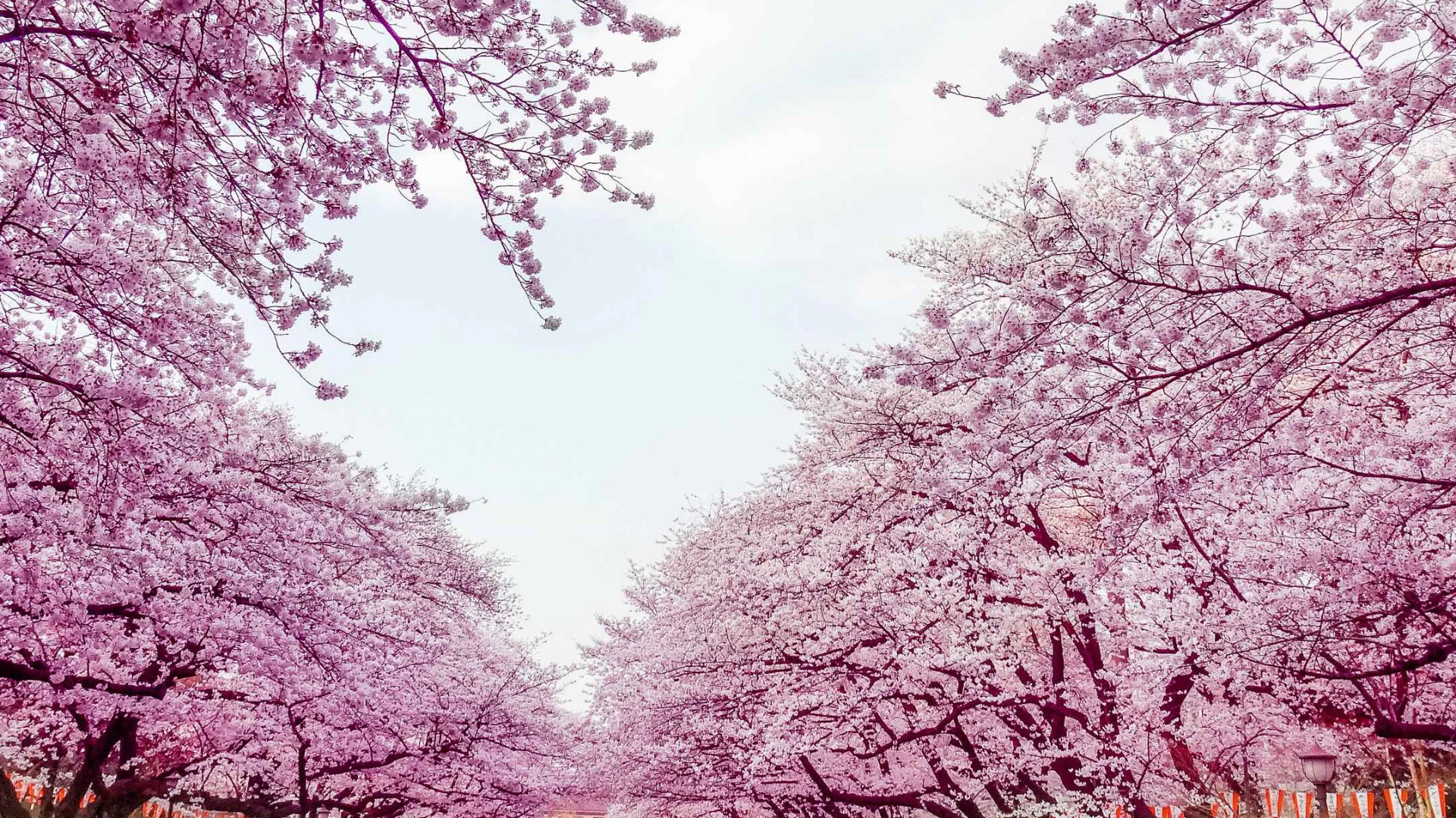
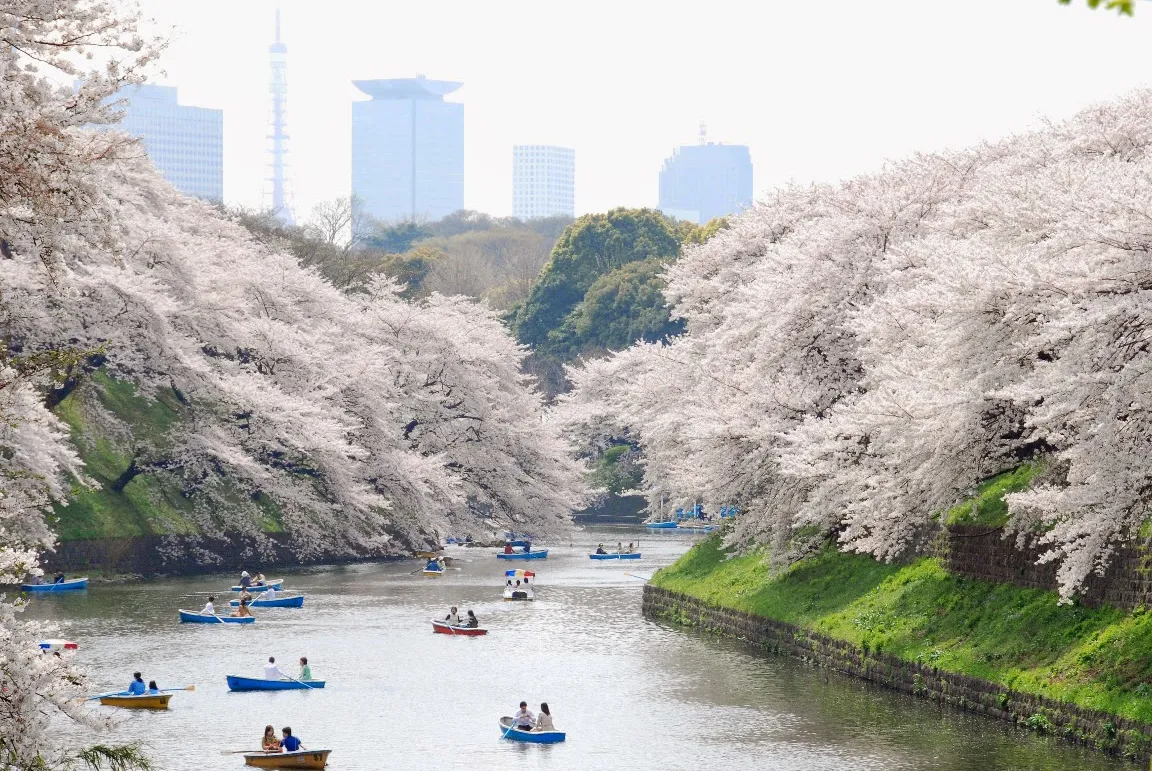
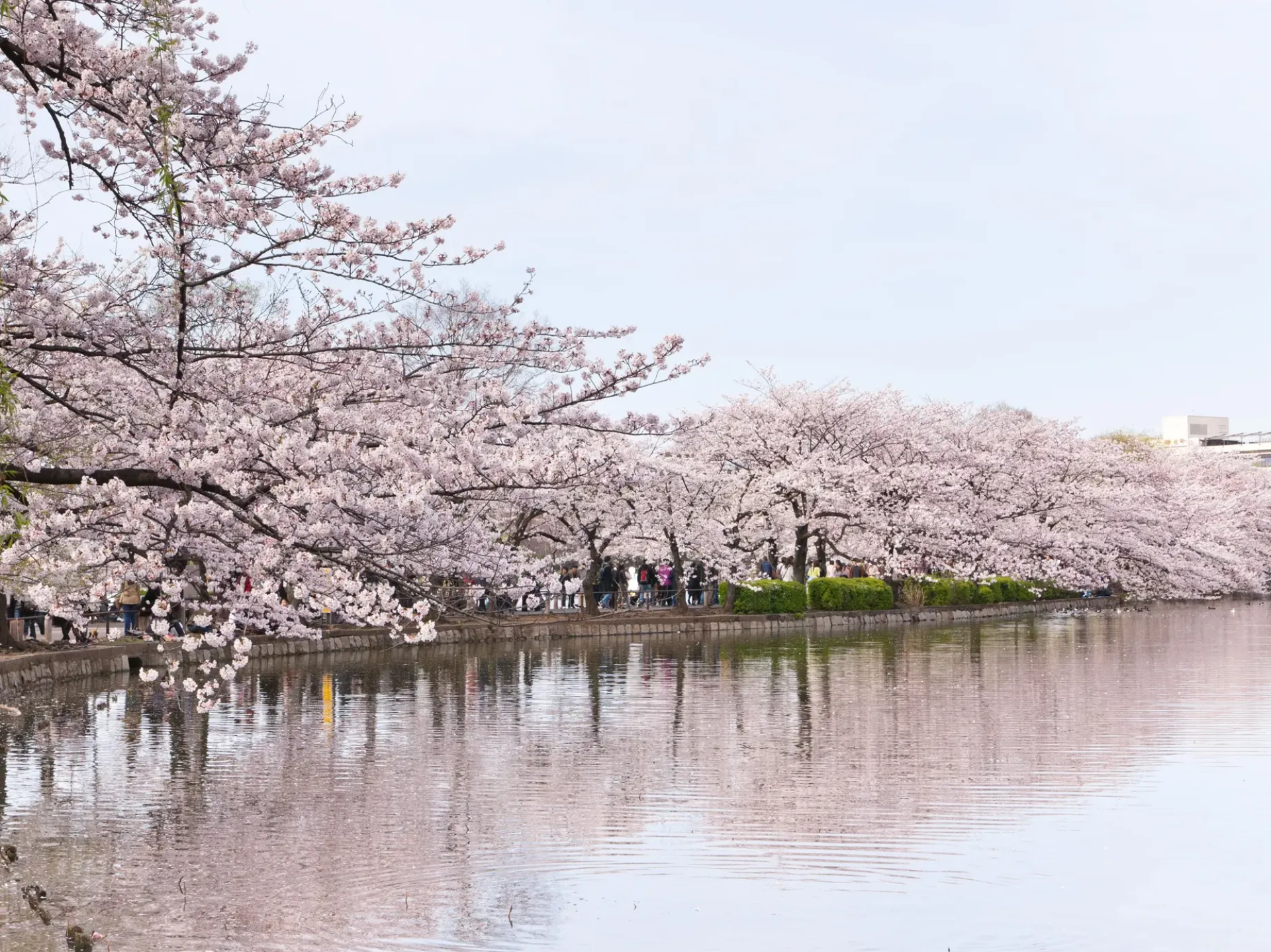
The best time to visit Ueno Park is perhaps during spring (late March to early April) for its spectacular cherry blossoms, although it can be very crowded. Autumn is also an excellent option for the fall colors. As for the time of day, I recommend going early in the morning, just after the museums open, to avoid the biggest crowds and enjoy a quieter experience. In the afternoon, especially on weekends, it tends to be more crowded.
Yes, Ueno Park is designed to be quite accessible. Most of the paths are wide and flat, making it easy for wheelchairs and strollers. Many of the museums inside the park, such as the National Museum of Western Art (+81-50-5524-8600), also offer ramps, elevators and accessible restrooms. However, it is always a good idea to check the specific accessibility of each building or attraction you plan to visit.
Ueno Park is strategically located with many nearby attractions. Right next door, you can explore the vibrant Ameya-Yokocho market (known as Ameyoko), perfect for street shopping and trying local food. Also a short distance away is the Yanaka district, with its traditional charm, temples and Yanaka Cemetery, which offers a glimpse of old Tokyo. And not far away you have the Asakusa neighborhood with the famous Senso-ji Temple.
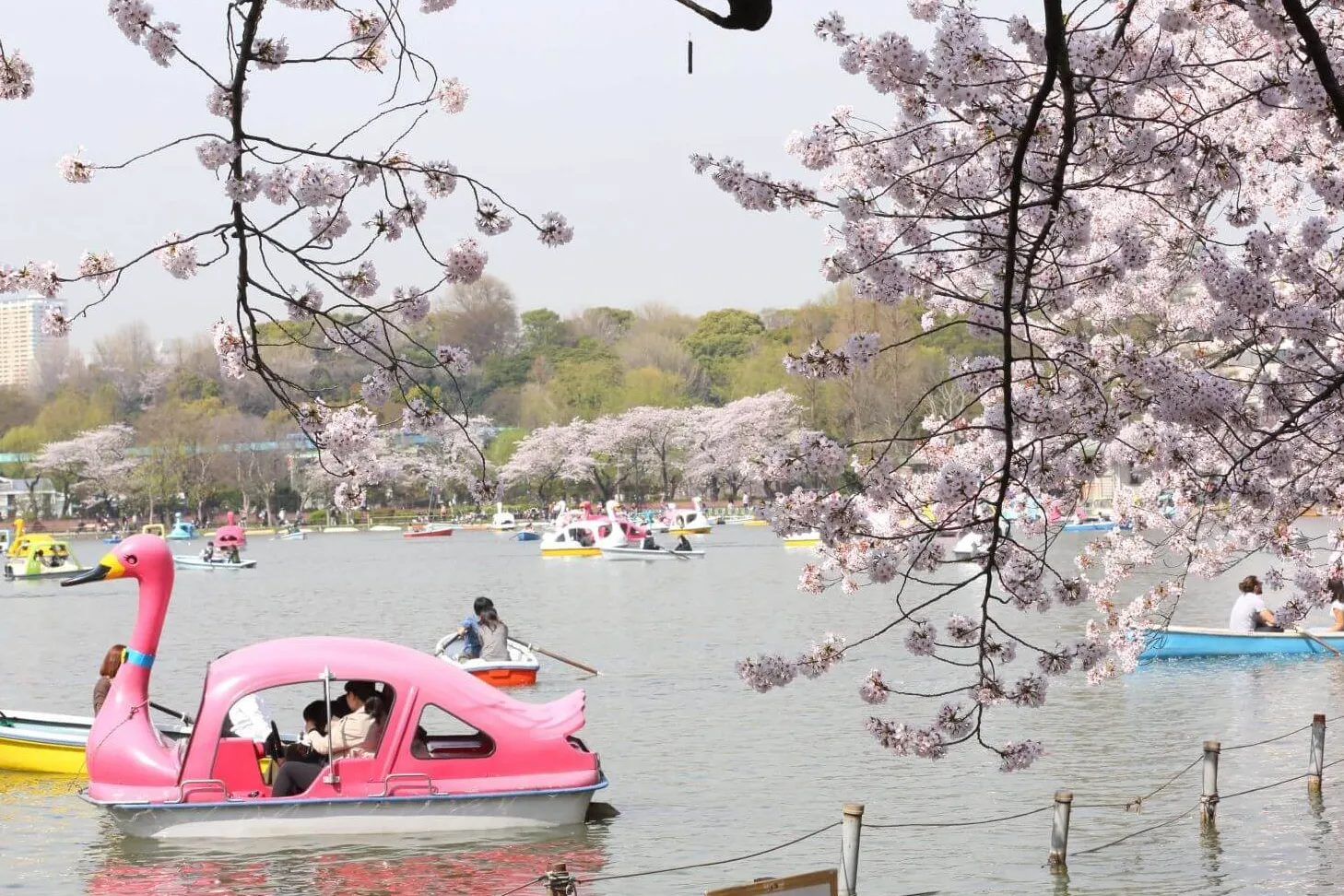
Sure, to make the most of your visit, a key tip is to plan in advance which museums or attractions you want to visit, since there are many and you won't be able to see them all in one day. Wear comfortable shoes because you will walk a lot. Consider buying a Hakone Free Pass if you plan to visit several museums. Also, don't forget to explore Shinobazu Pond for a peaceful experience and to rent a rowboat, weather permitting. And bring snacks and water, although there are many places to buy food inside the park.
¿Prefieres escuchar en español?
🇪🇸 Escucha la audioguía de Ueno Park en español