No te vayas sin conocer la historia Suscribete
IAudioGuia iaudioguia
Audio Guides of Tokio

Audio Guide of Tokyo Imperial Palace

Discover the history and secrets of this place with our audio guide.

✓ What guidebooks don't tell you
✓ Secrets other tourists miss
✓ Listen while you explore
Discover everything
00:00
00:00

📖 Audio Guide Chapters

4 chapters

1. Introduction and History of the Palace

🔒 Premium Content

Subscribe to access all chapters of this audio guide.

2. A Stroll Through the Architecture and the Gardens

🔒 Premium Content

Subscribe to access all chapters of this audio guide.

3. Curiosities and Life at the Palace

🔒 Premium Content

Subscribe to access all chapters of this audio guide.

4. The Palace as a National Symbol

🔒 Premium Content

Subscribe to access all chapters of this audio guide.

❓ Frequently Asked Questions

What are the visiting hours for the Tokyo Imperial Palace, and is there any way to access its interior?

The gardens and Kokyo Gaien National Garden (the Imperial Palace Outer Garden) are accessible during most of the day. To visit the inner areas of the Palace, two guided tours are offered daily (except Sundays, Mondays, and public holidays) and require advance reservation. You can check the schedule and book on the Imperial Household Agency website. Keep in mind that the Palace itself is not open to the public — only the gardens and certain specific areas accessible via guided tours.

Is there an entrance fee to visit the Tokyo Imperial Palace or its gardens?

No! Visiting the East Gardens and Kokyo Gaien National Garden is completely free. The guided tours of the inner areas are also free, although they require advance reservation. It's a great opportunity to explore a historic site at no cost.

How much time is recommended for visiting the Imperial Palace and its surroundings?

To explore the East Gardens (Higashi Gyoen) and stroll through Kokyo Gaien National Garden, we recommend setting aside between 1 and 2 hours. If you decide to take the guided tour of the inner areas, it lasts approximately 75 minutes. Plan your time so you can walk at a relaxed pace and enjoy the surroundings.

What is the historical and cultural importance of the Tokyo Imperial Palace?

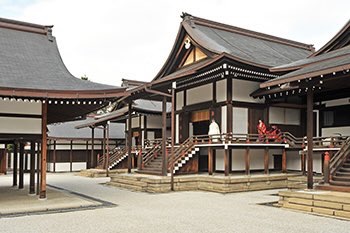
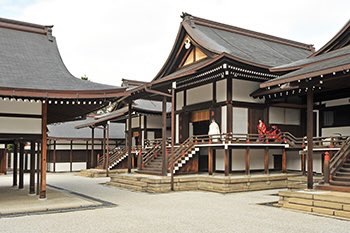
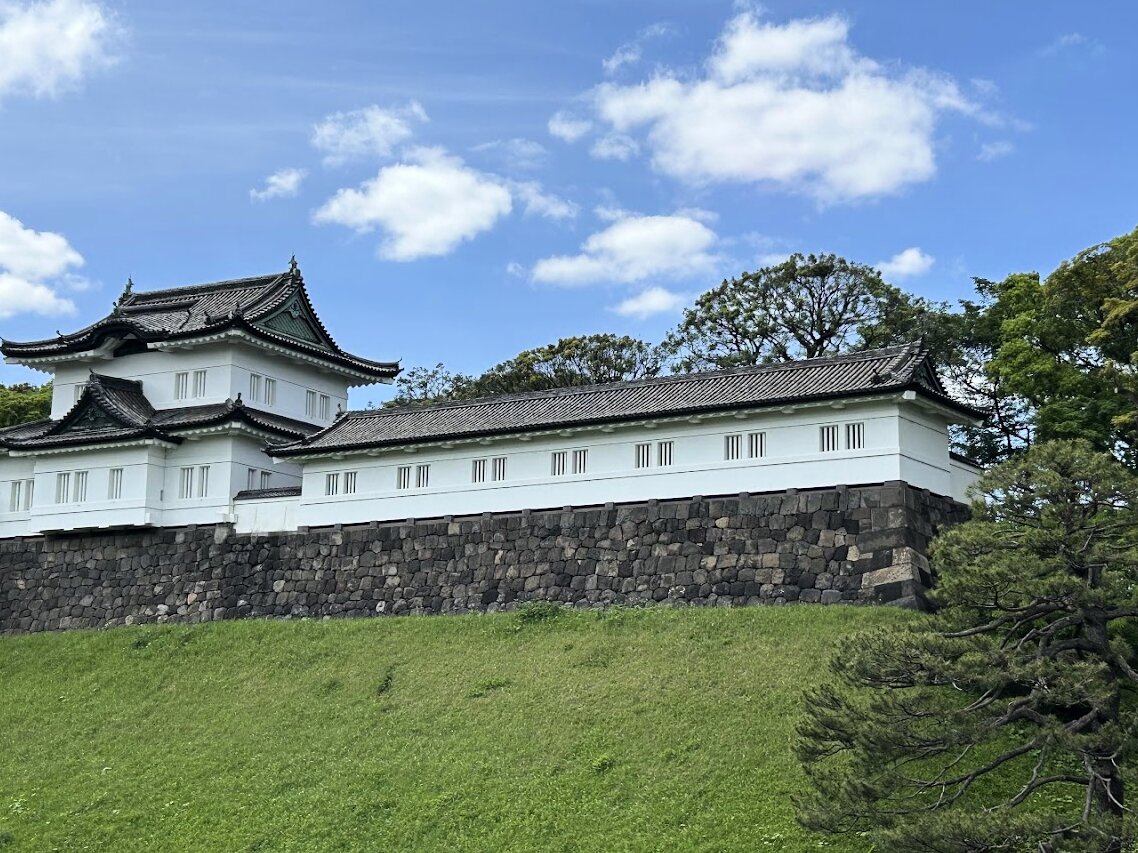
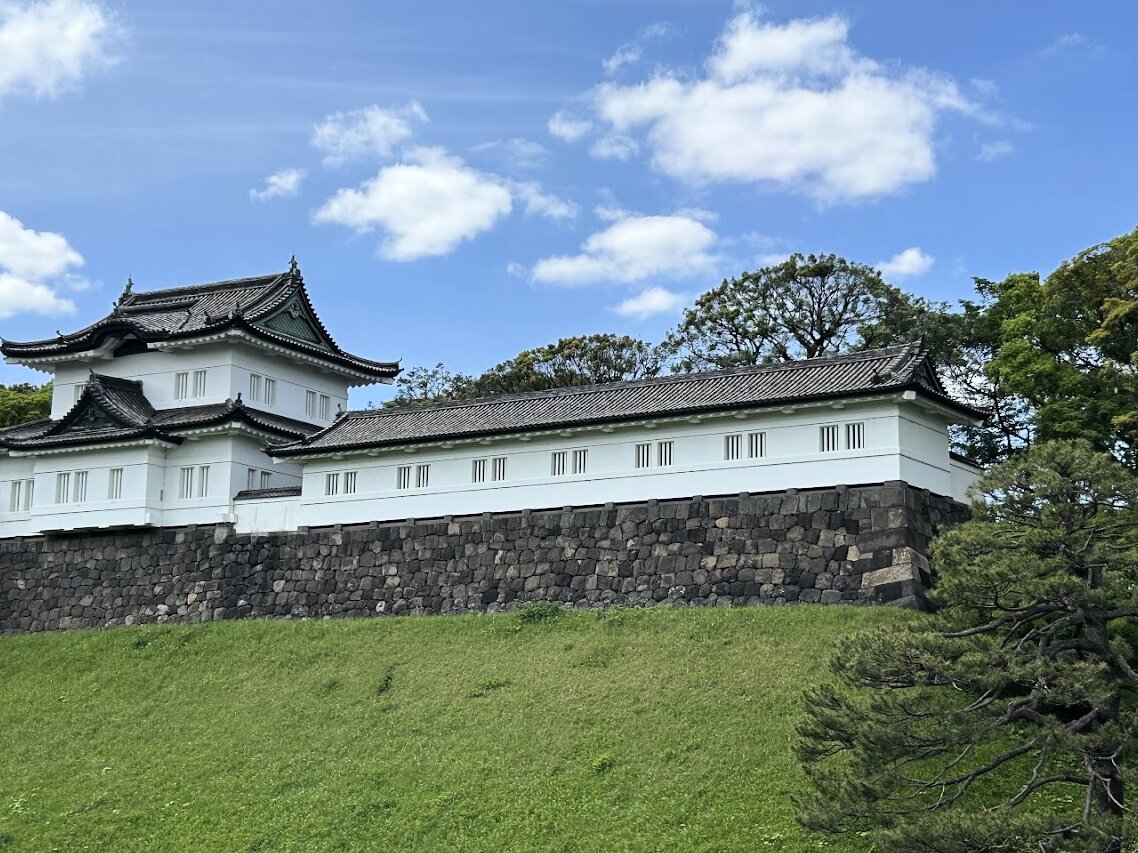
The Imperial Palace is the main residence of the Emperor of Japan and his family, and it stands on the former site of Edo Castle, the stronghold of the Tokugawa shoguns. Its significance lies in being the center of imperial power and a living symbol of the continuity of Japan's long history and tradition. In addition, its architecture and design reflect the country's rich cultural heritage.

When is the best time to visit the Tokyo Imperial Palace?

Spring (late March to April) is ideal for the cherry blossoms, and autumn (late October to early December) for the vibrant colors of the maple trees. During the day, we recommend going early in the morning to avoid the crowds, especially in the East Gardens. Note that the East Gardens are closed on Mondays and Fridays (or the following day if these coincide with a public holiday).

Is the Imperial Palace accessible for people with reduced mobility?

Yes, much of the East Gardens and Kokyo Gaien National Garden are wheelchair accessible, with paved paths and ramps. The guided tours of the inner areas also strive to be accommodating, although it is always advisable to contact the Imperial Household Agency in advance to confirm specific accessibility details for your visit.

What other places of interest are there near the Tokyo Imperial Palace to visit?

Very close to the Palace, you can visit the famous Kokyo Gaien National Garden with its iconic Nijubashi Bridge, the Marunouchi Building tower with its observation decks, or the bustling Ginza district for shopping and dining. The National Museum of Modern Art, Tokyo (MOMAT) is also a short walk away, perfect for rounding out your cultural day.

Do you have any practical tips or recommendations to make the most of the visit?

Wear comfortable shoes, as you'll be walking quite a bit through the extensive gardens. Bring water, especially in the warmer months, and don't forget your camera, as there are plenty of opportunities for spectacular photos. If you plan to take the guided tour, book in advance, as spots are limited and fill up quickly. And don't miss the famous Nijubashi Bridge, an icon of Tokyo!

¿Prefieres escuchar en español?

🇪🇸 Escucha la audioguía de Tokyo Imperial Palace en español