Discover the history and secrets of this place with our audio guide.
Nikkō Tōshō-gū is open every day from 9:00 AM to 5:00 PM (from November to February, it closes at 4:00 PM). Last admission is 30 minutes before closing. You can easily get there by bus from Nikkō Station, getting off at the Nishisando or Otemon-mae stop. For more details, visit the official website: Nikkō Tōshō-gū.
Admission to Nikkō Tōshō-gū costs 1,300 yen for adults and 450 yen for children. There is also a combined ticket option with the Homotsukan Museum of Art and the Nikkō Tōshō-gū Museum of Art, which costs 2,100 yen. Tickets are purchased directly at the main gate, and there is no advance online sale. I recommend bringing cash for convenience.
To explore Nikkō Tōshō-gū at a relaxed pace and appreciate all its details, I suggest allowing at least 2 to 3 hours. If you also decide to visit the adjacent museums, you may need an additional hour. Don’t rush—there is a lot to see and admire.
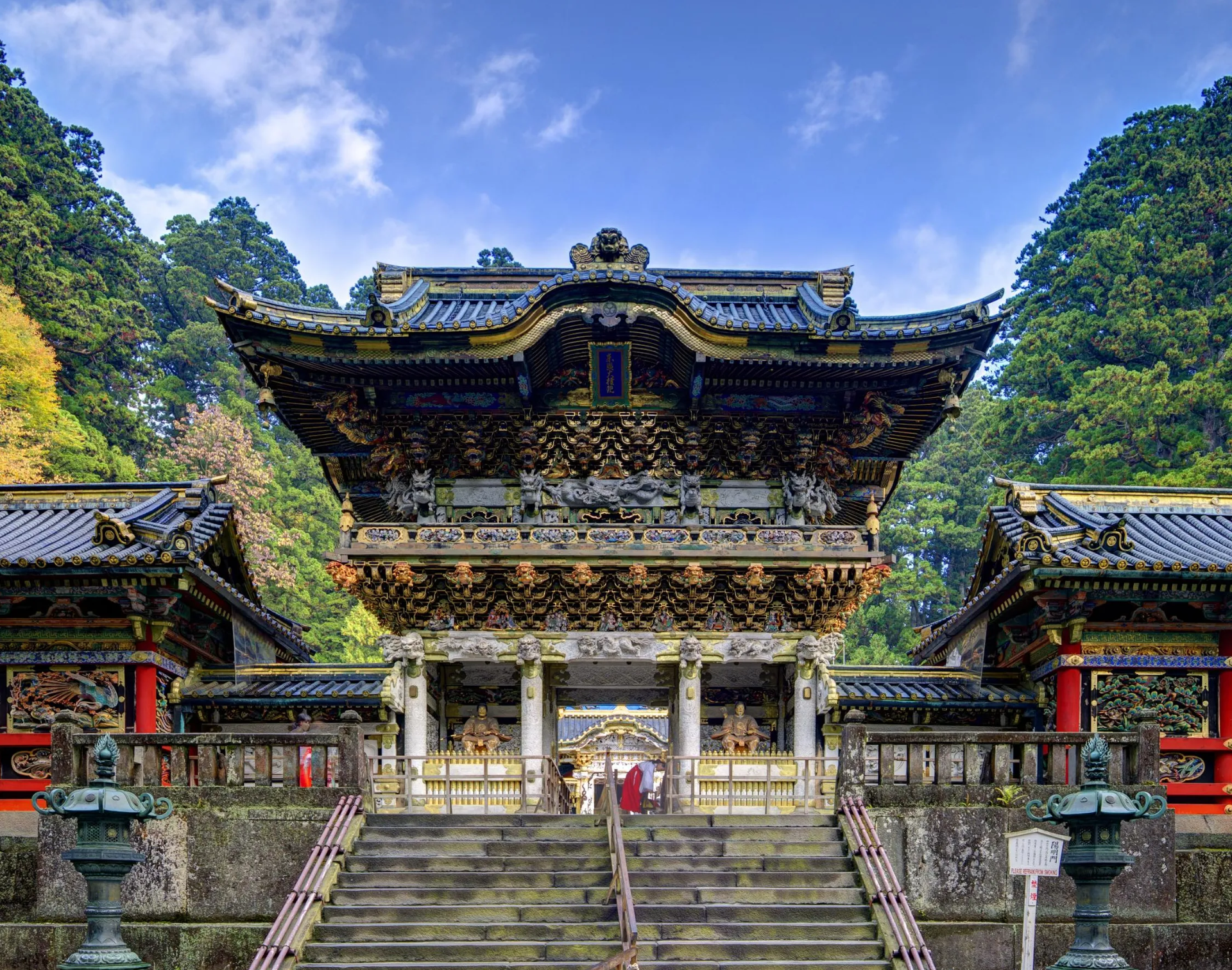
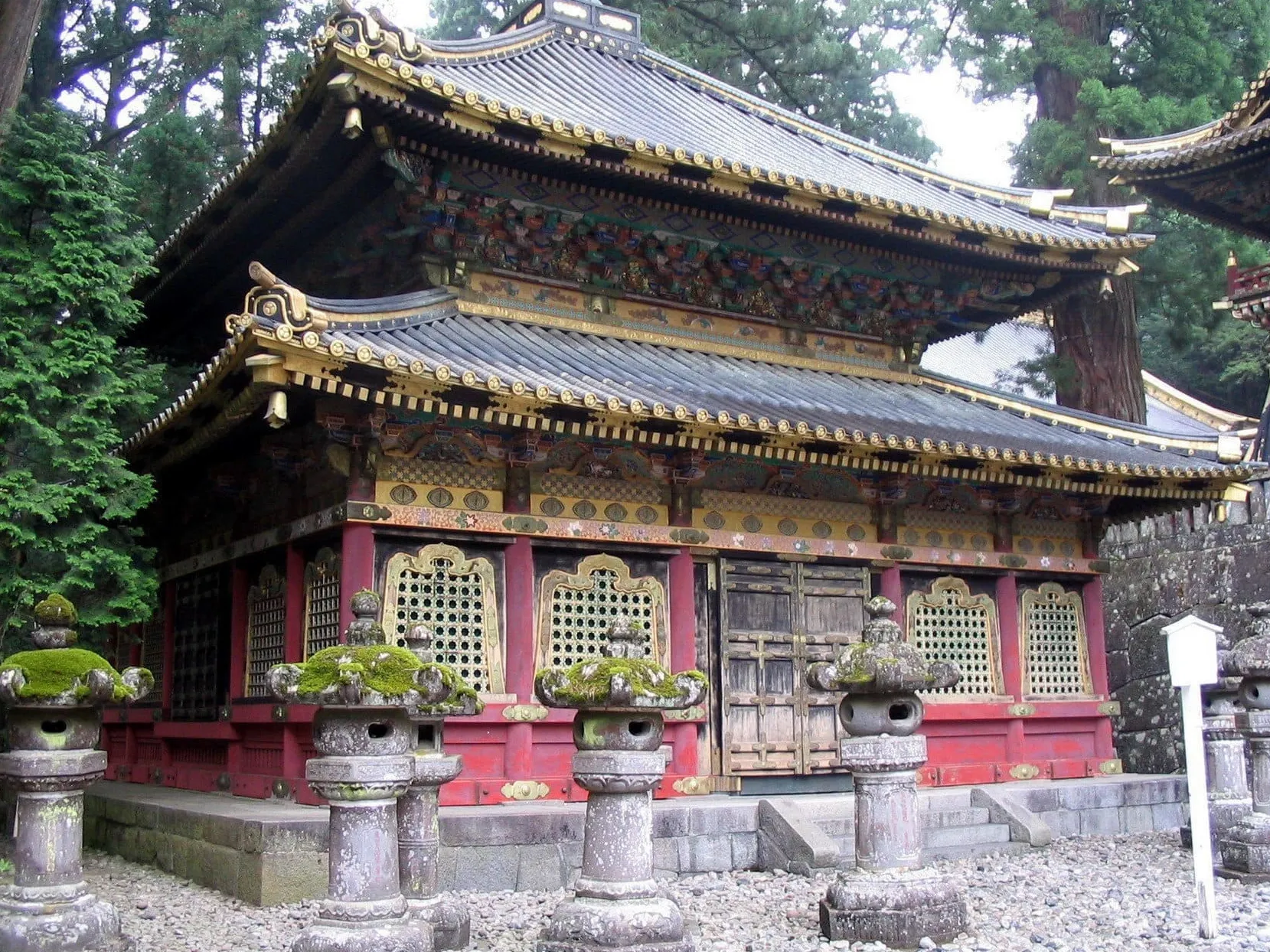
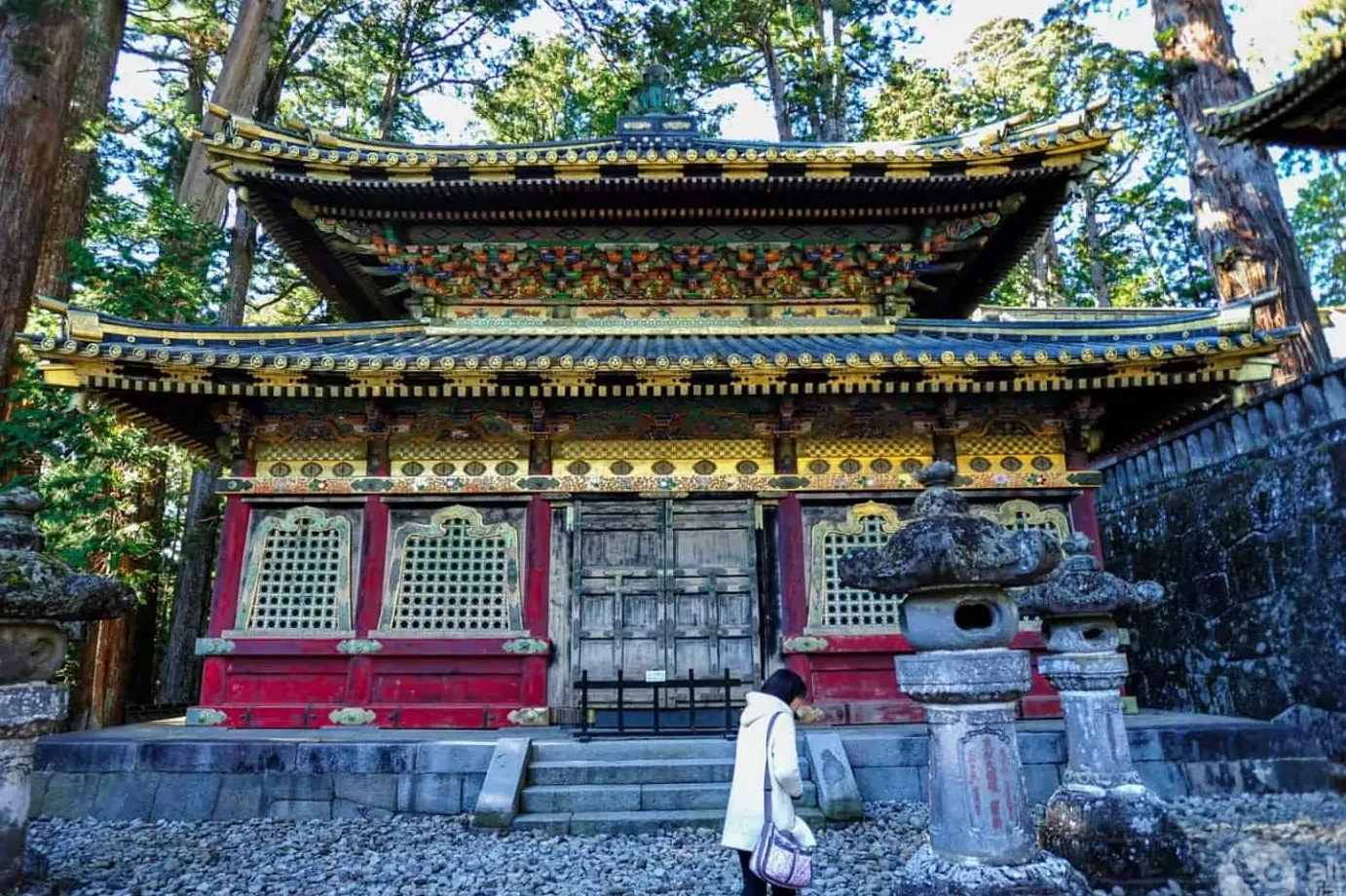
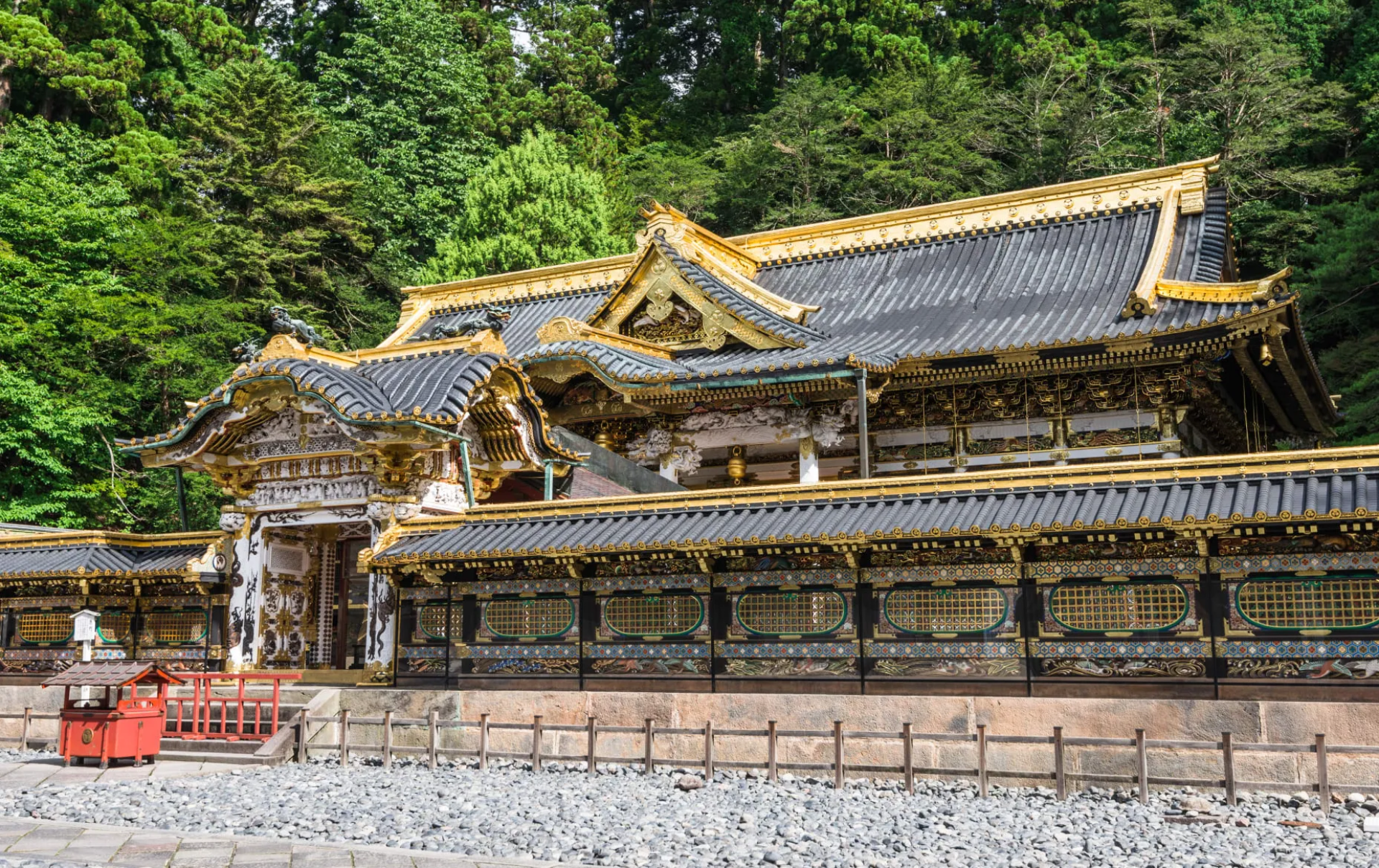
Nikkō Tōshō-gū is a Shinto shrine complex designated as a UNESCO World Heritage Site and enshrines the remains of Tokugawa Ieyasu, founder and first shogun of the Tokugawa shogunate. It is a supreme example of Japanese architecture from the Edo period and a center of worship and veneration. Its ornamental richness and symbolism make it unique.
The best time to visit is during spring (April-May) for the cherry blossoms or autumn (October-November) for the fall colors, although these are popular seasons. To avoid the largest crowds, I suggest going early in the morning, right at opening time, or late in the afternoon. Weekdays are usually less crowded than weekends.
Nikkō Tōshō-gū has some areas with stairs and uneven ground, which can make wheelchair access difficult. However, there are ramps and elevators in certain sections, especially in the main areas. It is recommended to contact the shrine directly for specific accessibility information: +81 288-54-0560. It is advisable to go with a companion if assistance is needed.
Nikkō is full of wonders. Very close to Nikkō Tōshō-gū, you can visit Futarasan Shrine and Taiyūin, which are also part of the World Heritage Site. Also, don’t miss Shinkyō Bridge. Farther away but equally impressive are Kegon Falls and Lake Chūzenji, both accessible by bus.
I recommend wearing comfortable shoes, as there is a lot of walking and some slopes. Consider hiring a local guide or using an audio guide to understand the rich history and symbolism of each building. It’s also a good idea to bring some water, especially in summer. And of course, don’t forget your camera to capture the beauty of the place!
¿Prefieres escuchar en español?
🇪🇸 Escucha la audioguía de Nikkō Tōshō-gū en español