No te vayas sin conocer la historia Suscribete
IAudioGuia iaudioguia
Audio Guides of Kawagoe

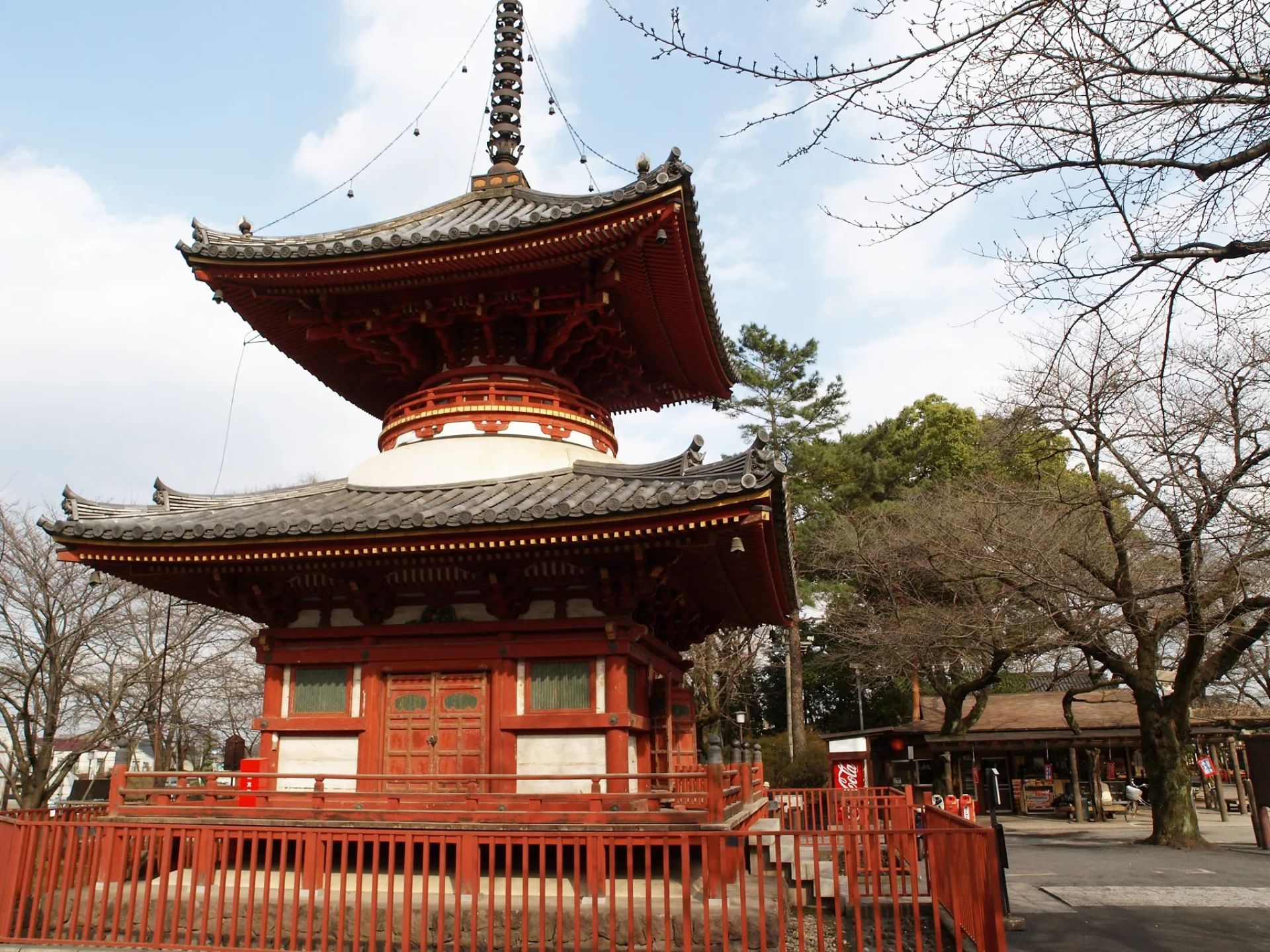
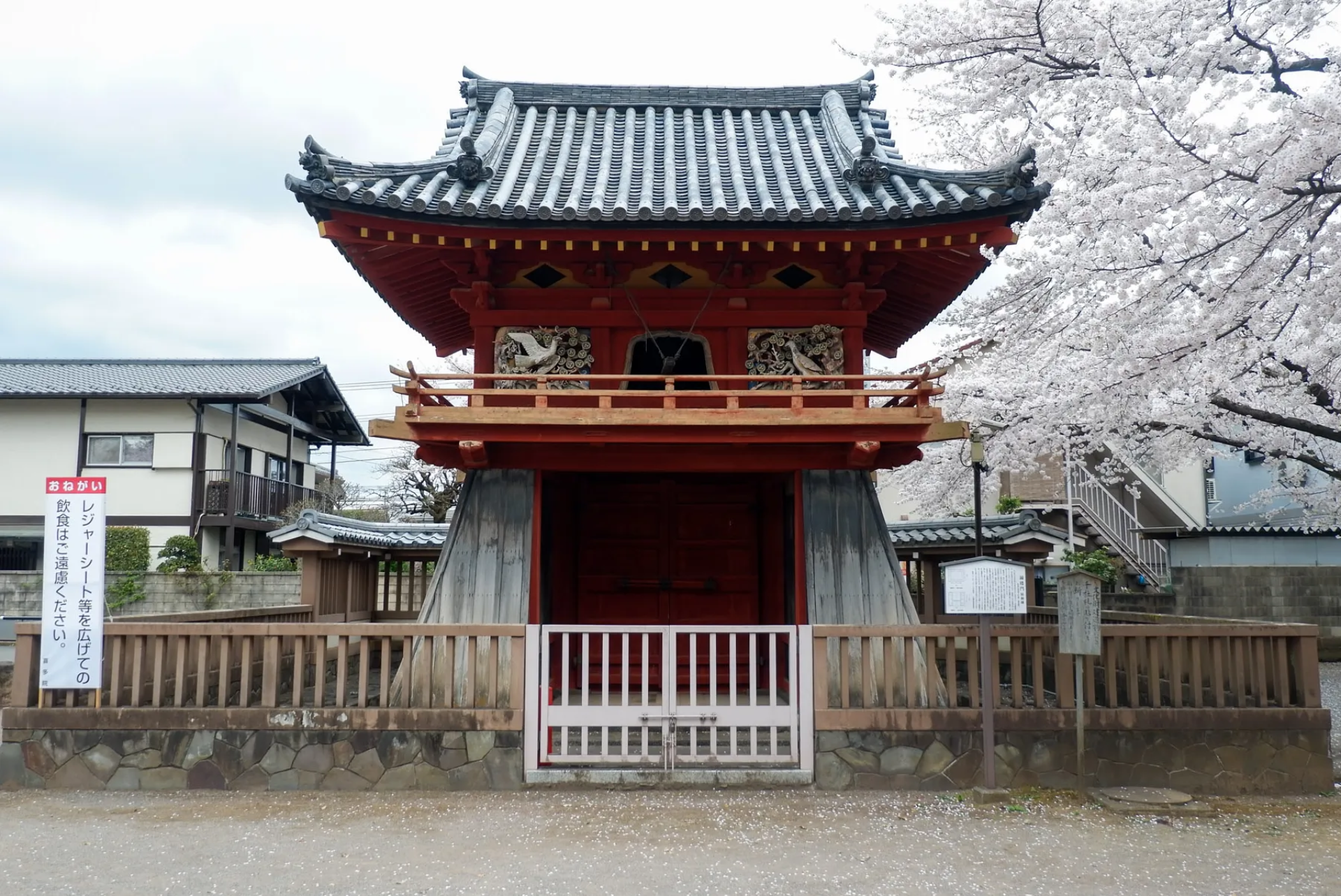
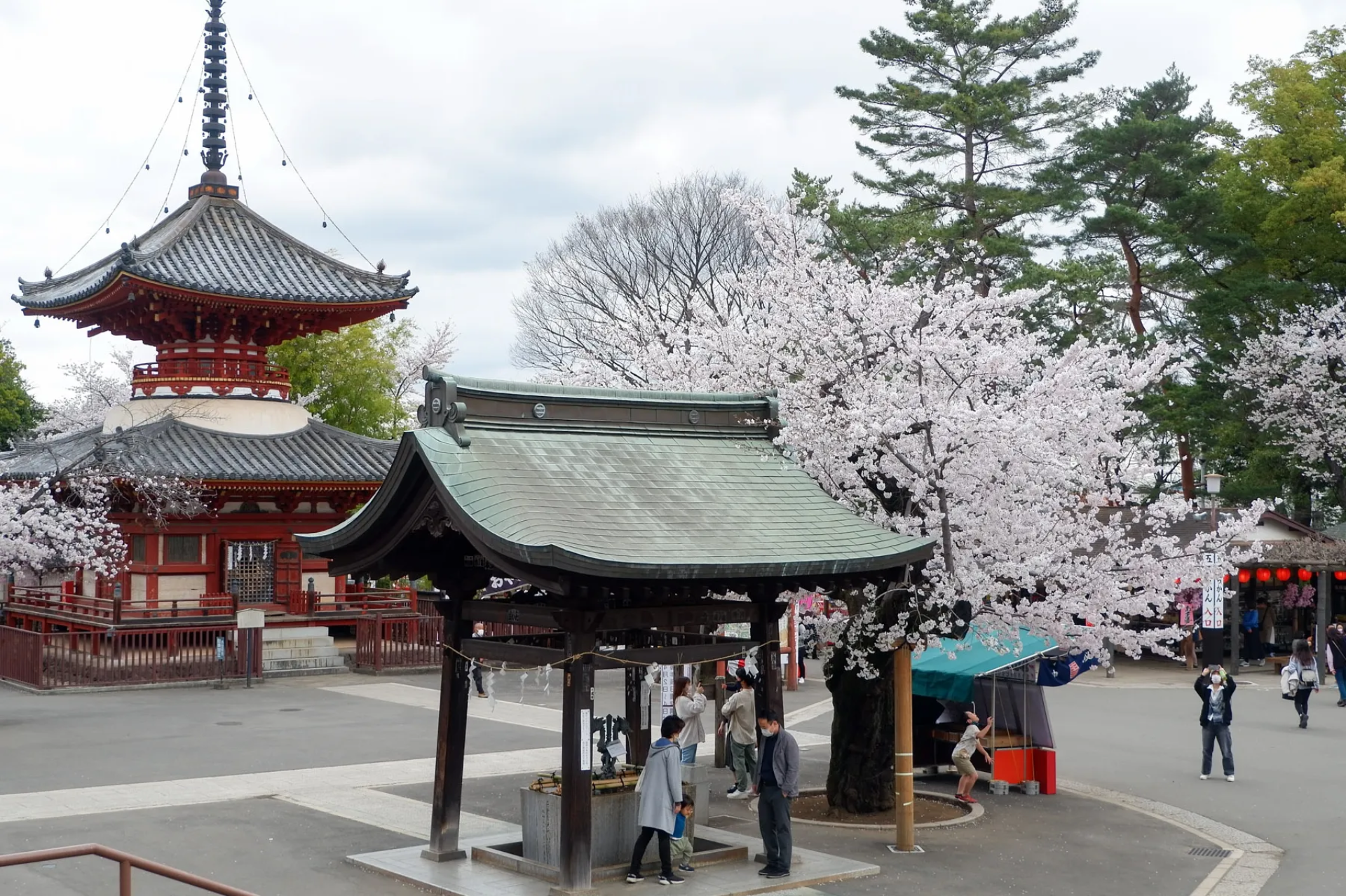
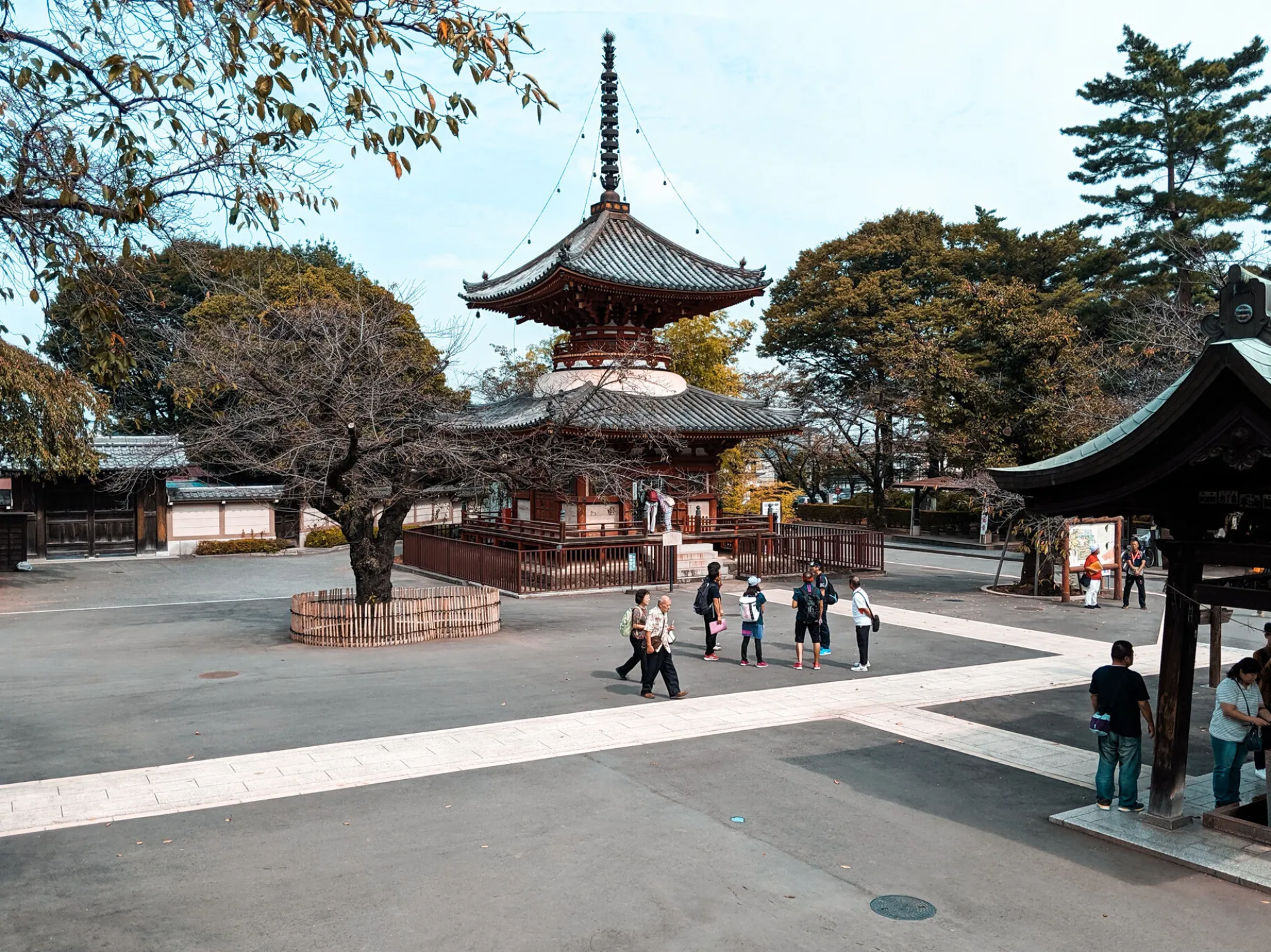
Audio Guide of Kita-in Temple

El templo que guarda la habitación donde nació un shogun y 540 monjes de piedra con personalidad propia

✓ What guidebooks don't tell you
✓ Secrets other tourists miss
✓ Listen while you explore
Discover everything
00:00
00:00

📖 Audio Guide Chapters

6 chapters

1. When the future shogun cried on this ground

🔒 Premium Content

Subscribe to access all chapters of this audio guide.

2. Walls that dodge fires like ninjas

🔒 Premium Content

Subscribe to access all chapters of this audio guide.

3. The cold war between Buddhist temples

🔒 Premium Content

Subscribe to access all chapters of this audio guide.

4. The sacred toilet paper that predicts your future

🔒 Premium Content

Subscribe to access all chapters of this audio guide.

5. The gossiping rakan who has worn glasses since 1782

🔒 Premium Content

Subscribe to access all chapters of this audio guide.

6. Take with you Japan’s most stubborn survivor

🔒 Premium Content

Subscribe to access all chapters of this audio guide.

❓ Frequently Asked Questions

When is Kita-in Temple open and how do I get there?

Kita-in Temple is open daily from 9:00 a.m. to 4:30 p.m. (last entry is at 4:00 p.m.). To get there, you can take the train from Ikebukuro Station to Kawagoe (about 30 minutes) and then a local bus to Kita-in. It is a 15-minute walk from Kawagoe Station. You can find more information on its official website: kitain.jp

How much is admission to Kita-in Temple?

General admission to the temple is free, but there is a fee of 400 yen per person to visit the Main Hall (Hondo), which houses important Buddhist treasures. Access to the Five Cherry Trees Garden (Goguan) and the Bell Hall costs an additional 300 yen. It is recommended to bring cash.

How much time do I need to visit Kita-in Temple?

For a full visit, it is recommended to plan for 60 to 90 minutes. This will give you enough time to explore the Main Hall, walk through the garden, and visit the various statues and halls within the complex. If you enjoy photography or meditation, you may want to stay a little longer.

What is the historical importance of Kita-in Temple?

Founded in 830, Kita-in Temple is the principal temple of the Tendai sect in the Kanto region. It is especially famous as the place where the shogun Tokugawa Ieyasu spent his childhood and youth, making the temple a site of great importance for lovers of samurai history and the Edo period.

When is the best time to visit Kita-in Temple?

The best season is autumn, especially in mid-November, when the trees in the Japanese garden change color and create a stunning visual display. On the other hand, a weekday morning is ideal for avoiding crowds and enjoying a peaceful atmosphere for contemplation.

Is Kita-in Temple accessible for wheelchair users?

Yes, the temple has partial accessibility. The main path and some areas of the garden are accessible, but there are steps at the entrance to the Main Hall. It is recommended to contact the temple by phone (0429-22-2071) in advance to receive specific assistance and confirm accessible routes.

What other attractions can I visit near Kita-in Temple?

The temple is very close to Kawagoe’s historic center. You can walk to the Warehouse District (Kurazukuri), the Bell Tower, and Kawagoe Hikawa Shrine. The whole area is perfect for a stroll and for experiencing the atmosphere of old Kawagoe.

Do you have any practical tips for my visit to Kita-in Temple?

I recommend exploring the '500 Rakan Walk,' a unique collection of 500 statues of Buddha’s disciples hidden in a small forest within the temple complex. You can also rent a wheelchair if needed, as long as you reserve in advance by calling the temple.

¿Prefieres escuchar en español?

🇪🇸 Escucha la audioguía de Kita-in Temple en español