No te vayas sin conocer la historia Suscribete
IAudioGuia iaudioguia
Audio Guides of Kawagoe

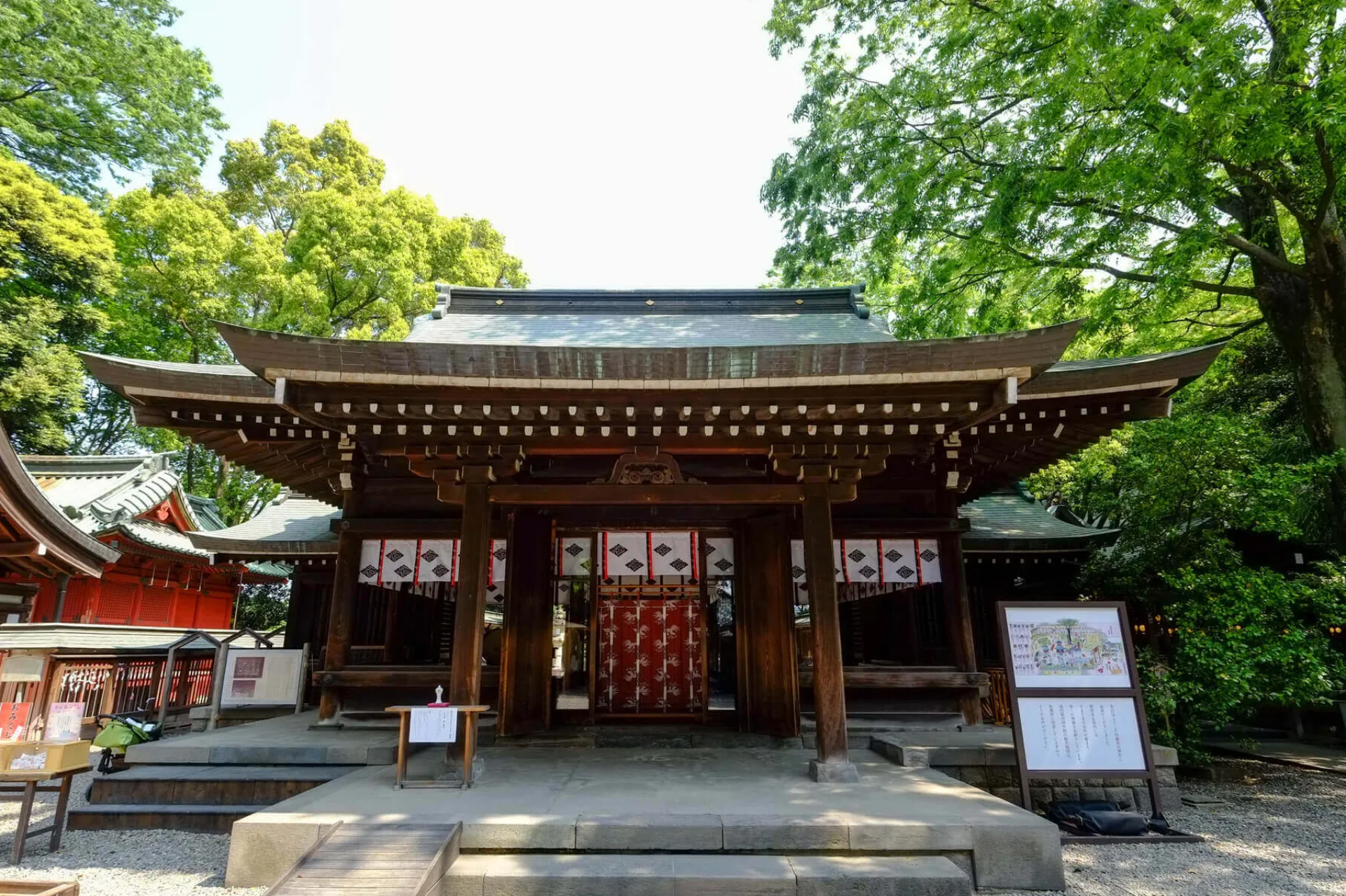
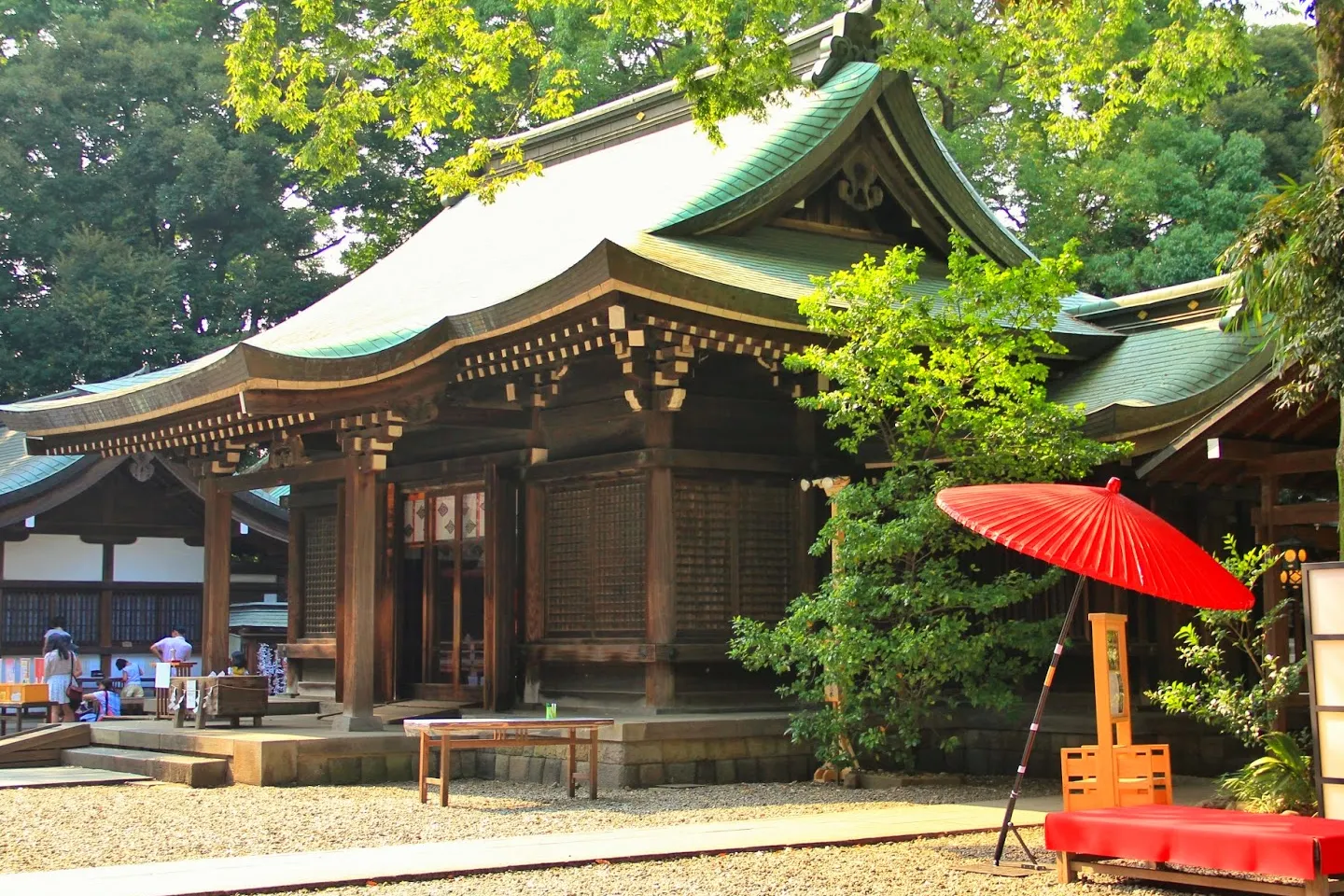
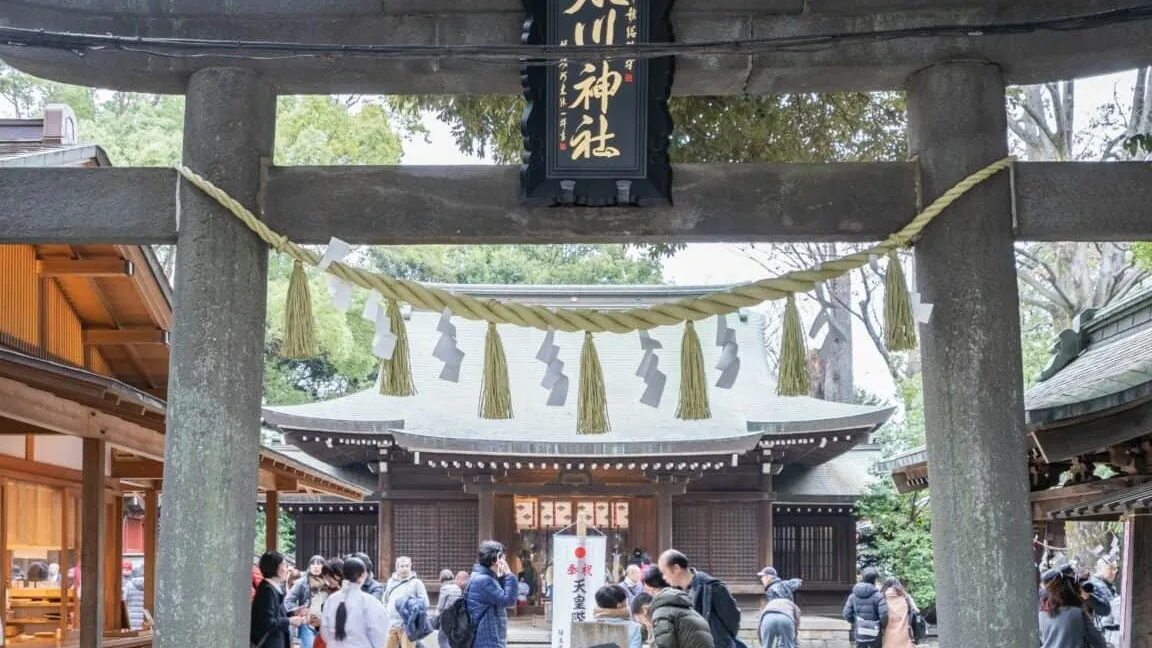
Audio Guide of Kawagoe Hikawa Shrine

Donde los dioses del amor, la guerra y los chismes históricos comparten altar desde hace 15 siglos

✓ What guidebooks don't tell you
✓ Secrets other tourists miss
✓ Listen while you explore
Discover everything
00:00
00:00

📖 Audio Guide Chapters

6 chapters

1. The silver torii scandal that split the shogunate

🔒 Premium Content

Subscribe to access all chapters of this audio guide.

2. Stones that judge your love life

🔒 Premium Content

Subscribe to access all chapters of this audio guide.

3. When the gods get horny

🔒 Premium Content

Subscribe to access all chapters of this audio guide.

4. The treacherous pine that rode out two centuries

🔒 Premium Content

Subscribe to access all chapters of this audio guide.

5. Bullets, dragons, and a cursed kettle

🔒 Premium Content

Subscribe to access all chapters of this audio guide.

6. I am that tree that watched you toss the coin

🔒 Premium Content

Subscribe to access all chapters of this audio guide.

❓ Frequently Asked Questions

When can I visit the shrine and how do I get there?

Hikawa Shrine is open every day from dawn to dusk (generally 6:00 AM to 6:00 PM). To get there, take the train to Kawagoe Station (Tobu Tojo, Seibu Shinjuku, or JR lines) and walk 15 minutes. Here is the exact location: View on Google Maps.

How much does admission to Hikawa Shrine cost?

Admission to the grounds is completely free. However, if you would like to buy amulets (omamori) or make offerings, it is recommended to bring cash in yen (amulet prices usually start at ¥500).

How much time should I allow for the visit?

We recommend allowing 1 to 2 hours to leisurely explore the main shrine, the gardens, the sacred turtle pond, and the famous tunnel of red torii gates.

What historical importance does this shrine have?

Founded in the 6th century, it is one of the oldest shrines in Saitama Prefecture. It is dedicated to the gods of marriage and relationships, which is why it is famous for its matchmaking rituals. More details are available on its official website (Japanese).

What is the best time of year to visit?

It is spectacular during cherry blossom season (March/April) and in autumn (November), when the maple leaves turn red. To avoid crowds, visit on a weekday early in the morning.

Is it wheelchair accessible?

The main area has paved paths, but some sections, such as the torii tunnel, have uneven ground. There are accessible restrooms. For specific details, contact +81-492-41-0137 (they speak Japanese and basic English).

What other interesting places are nearby?

A 20-minute walk away is the historic Kurazukuri district, with warehouses from the Edo period. Don’t miss Candy Alley or the iconic Toki no Kane bell tower.

Any useful tips for my visit?

Wear comfortable shoes, bring ¥5 or ¥10 coins for offerings, and follow sacred etiquette: bow as you enter through the torii gate and wash your hands at the temizuya (purification fountain) before praying.

¿Prefieres escuchar en español?

🇪🇸 Escucha la audioguía de Kawagoe Hikawa Shrine en español