No te vayas sin conocer la historia Suscribete
IAudioGuia iaudioguia
Audio Guides of Kamakura

Audio Guide of Kencho-ji Temple

Discover the history and secrets of this place with our audio guide.

✓ What guidebooks don't tell you
✓ Secrets other tourists miss
✓ Listen while you explore
Discover everything
00:00
00:00

📖 Audio Guide Chapters

6 chapters

1. Introduction

🔒 Premium Content

Subscribe to access all chapters of this audio guide.

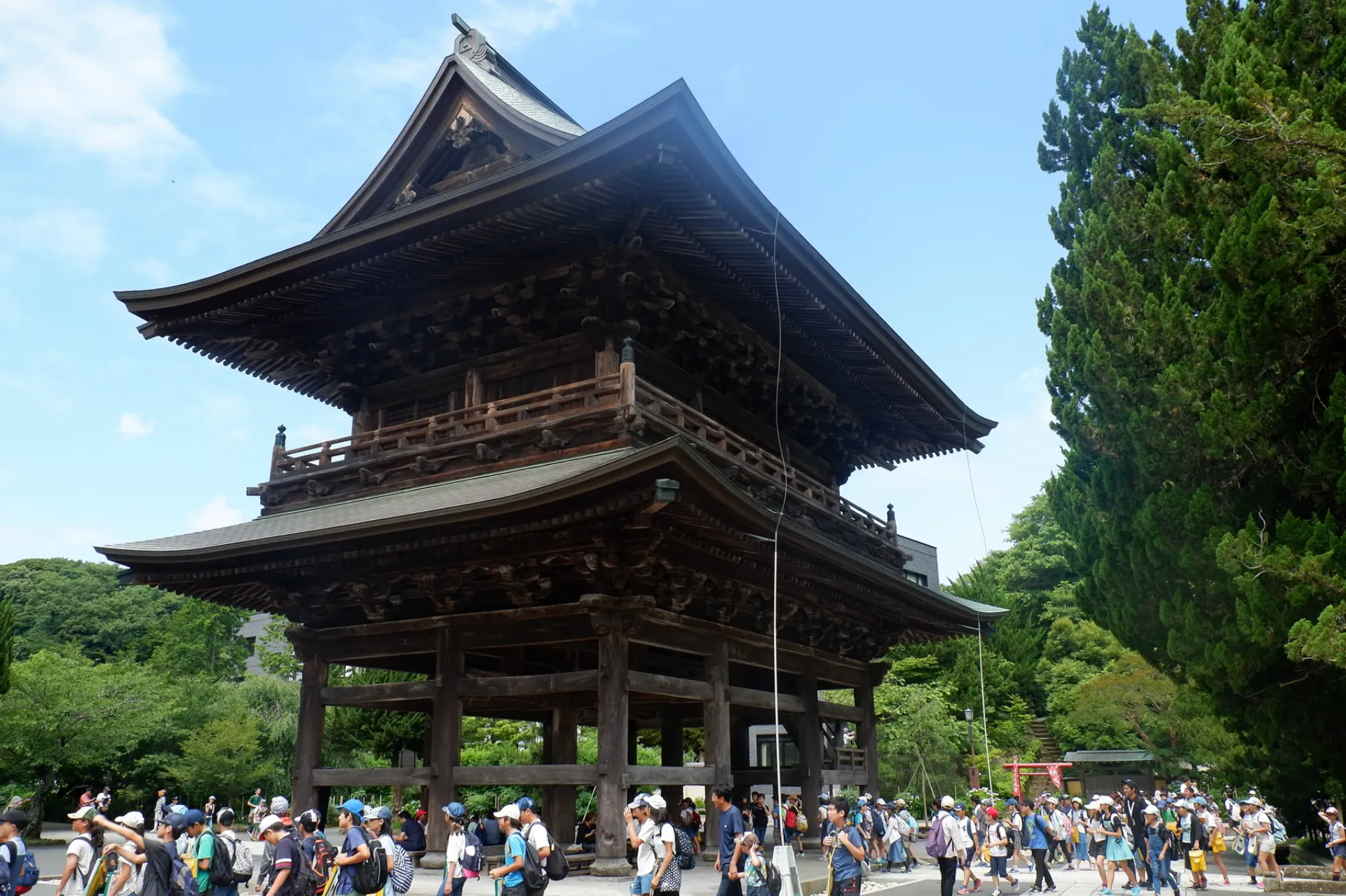
2. The Sanmon Gate

🔒 Premium Content

Subscribe to access all chapters of this audio guide.

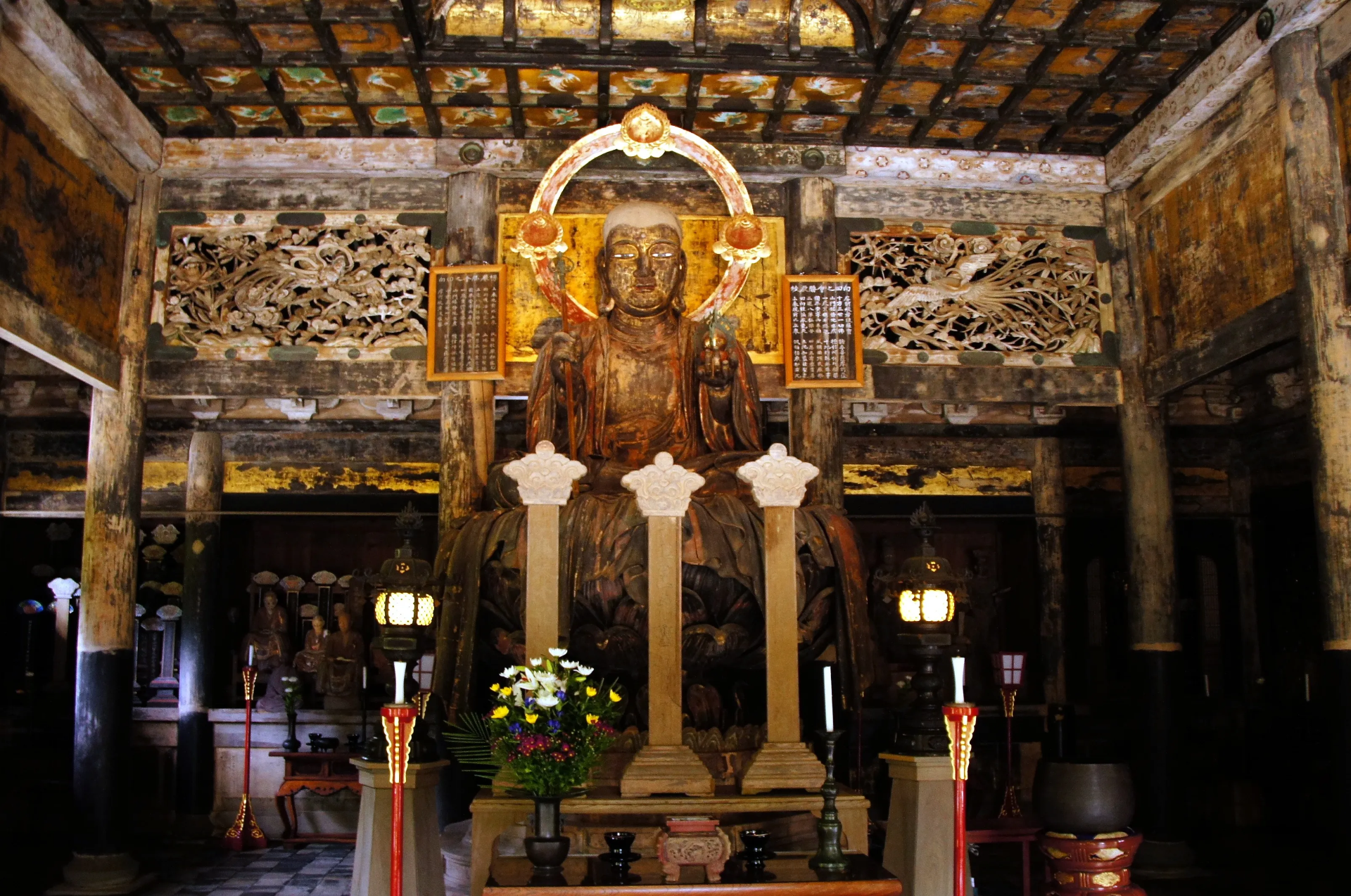
3. The Main Hall or Butsuden

🔒 Premium Content

Subscribe to access all chapters of this audio guide.

4. The Zen Garden

🔒 Premium Content

Subscribe to access all chapters of this audio guide.

5. The Bonsho Bell

🔒 Premium Content

Subscribe to access all chapters of this audio guide.

6. End of the Tour

🔒 Premium Content

Subscribe to access all chapters of this audio guide.

❓ Frequently Asked Questions

What time does Kencho-ji Temple open and how can I get there?

Kencho-ji Temple generally opens from 8:30 AM to 4:30 PM every day. It is very easy to reach: from Kamakura Station, you can walk for about 15–20 minutes or take a bus and get off at the 'Kenchoji-mae' stop. To plan your route, check Google Maps.

Do you have to pay to enter Kencho-ji Temple, and how much does it cost?

Yes, there is an admission fee for Kencho-ji Temple. The cost is usually 300 yen for adults. I recommend bringing some cash. Although some larger places may accept cards, it is better to be prepared.

How much time should I allow to visit Kencho-ji Temple properly?

To fully enjoy Kencho-ji Temple, including its various halls and beautiful gardens, I suggest allowing between 1.5 and 2 hours. If you enjoy photography or meditation, you may want to stay a little longer to savor the tranquility.

What makes Kencho-ji Temple so important in Japan’s history?

Kencho-ji Temple is the first and most important of Kamakura’s Five Great Zen Temples. It was founded in 1253 by Regent Hojo Tokiyori and the monk Rankei Doryu, and it played a crucial role in the introduction and spread of Rinzai Zen in Japan. It is a historical and spiritual treasure.

What is the best time of year and the best time of day to visit Kencho-ji?

Without a doubt, spring (late March to early May), when the cherry blossoms are in bloom, or autumn (late October to early December), for the stunning foliage colors. To avoid crowds and enjoy the peace, I recommend going right at opening time in the morning.

Is Kencho-ji Temple accessible for people using wheelchairs or with reduced mobility?

Due to the historic nature of the temple, with steps and uneven paths, accessibility may be limited for wheelchairs. Some areas are accessible, but it is advisable to contact the temple in advance for more detailed information: +81 467-22-0981.

What other interesting places can I visit near Kencho-ji Temple in Kamakura?

Kamakura is full of wonders. Very nearby, you can visit Engaku-ji Temple, another of the great Zen temples, or Tsurugaoka Hachimangu, the city’s most important Shinto shrine. And of course, there is the famous Great Buddha of Kamakura at Kotoku-in, just a short bus ride or walk away.

Are there any practical tips to make the most of my visit to Kencho-ji Temple?

Yes, wear comfortable walking shoes and consider bringing a bottle of water, especially in summer. Be respectful of local customs, keep your voice low, and do not forget to explore the hidden gardens. And do not forget our IAudioguia Kamakura audio guide to discover all the secrets and history of the temple!

¿Prefieres escuchar en español?

🇪🇸 Escucha la audioguía de Kencho-ji Temple en español