No te vayas sin conocer la historia Suscribete
IAudioGuia iaudioguia
Audio Guides of Kamakura

Audio Guide of Hase-dera Temple

Discover the history and secrets of this place with our audio guide.

✓ What guidebooks don't tell you
✓ Secrets other tourists miss
✓ Listen while you explore
Discover everything
00:00
00:00

📖 Audio Guide Chapters

7 chapters

1. Introduction

🔒 Premium Content

Subscribe to access all chapters of this audio guide.

2. History of the Temple

🔒 Premium Content

Subscribe to access all chapters of this audio guide.

3. The Kannon Statue

🔒 Premium Content

Subscribe to access all chapters of this audio guide.

4. Temple Gardens

🔒 Premium Content

Subscribe to access all chapters of this audio guide.

5. Benten-kutsu Cave

🔒 Premium Content

Subscribe to access all chapters of this audio guide.

6. Tips for Your Visit

🔒 Premium Content

Subscribe to access all chapters of this audio guide.

7. Closing and Final Reflections

🔒 Premium Content

Subscribe to access all chapters of this audio guide.

❓ Frequently Asked Questions

What time does Hase-dera open, and how can I get there?

Hase-dera Temple generally opens from 8:00 a.m. to 5:00 p.m. (March to September) and from 8:00 a.m. to 4:30 p.m. (October to February), with last entry 30 minutes before closing. To get there, you can take the Enoden train to Hase Station, and from there it is a pleasant walk of about 5 minutes. You can check detailed opening hours on the official website.

Do I have to pay an entrance fee to visit the temple?

Yes, general admission to Hase-dera Temple costs 400 yen for adults and 200 yen for children. This price includes access to the gardens, Kannon Hall, and the treasure house. I recommend bringing some small change to make entry easier.

How much time should I set aside for my visit to Hase-dera to see everything properly?

To fully enjoy Hase-dera, I would recommend setting aside between 1 hour and 1 hour 30 minutes. This will give you enough time to explore the different halls, stroll through the gardens, visit Benten-kutsu Cave, and enjoy the panoramic views.

What is the history or cultural importance of this temple in Kamakura?

Hase-dera is one of the oldest temples in Kamakura, famous for housing an impressive eleven-headed statue of Kannon, considered one of the largest in Japan. It is said to have been founded in the year 736 and is an important center of pilgrimage and devotion, especially because of its connection with Kannon Bosatsu, the deity of mercy.

What is the best time of year or day to visit Hase-dera and avoid the crowds?

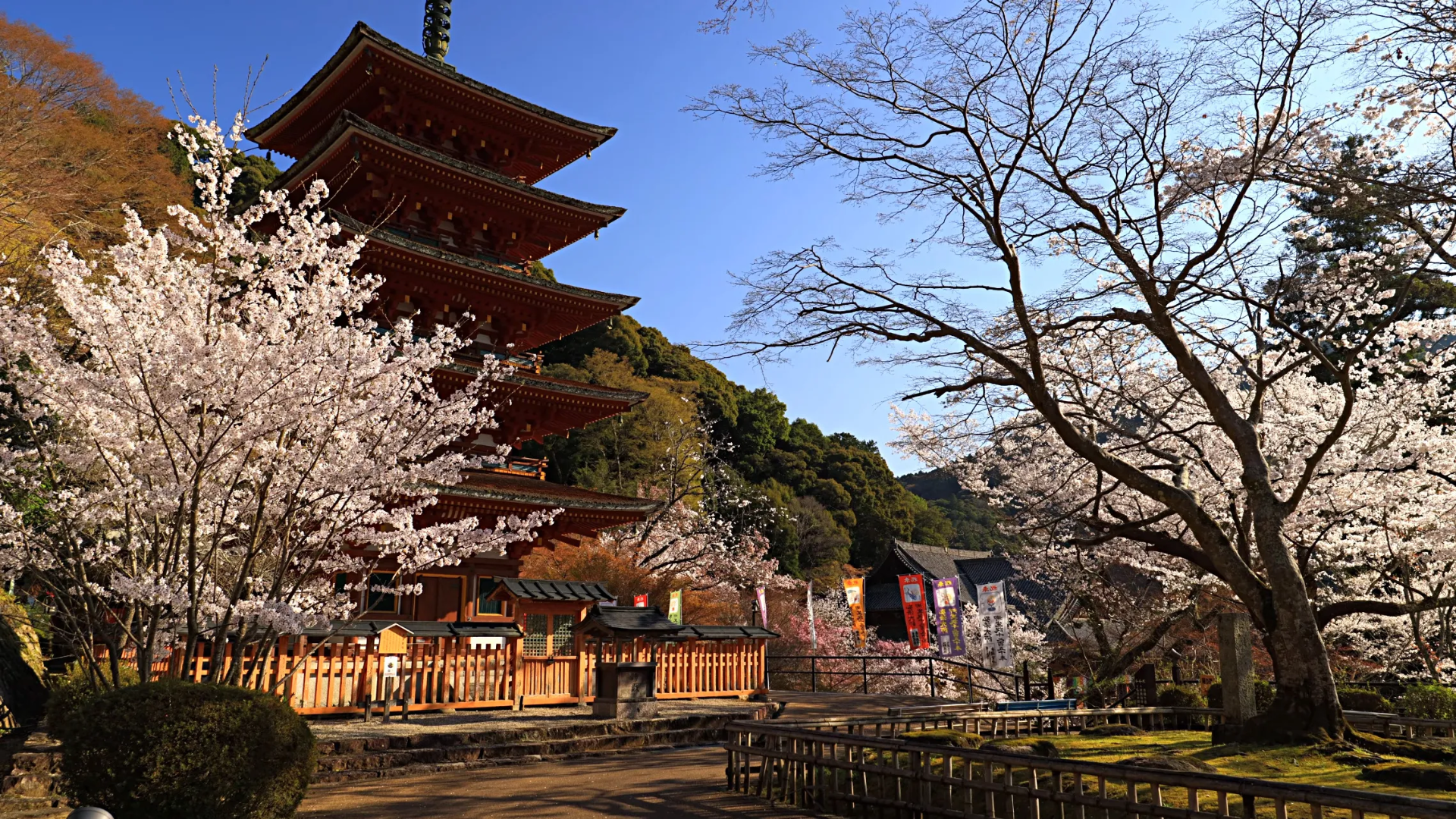
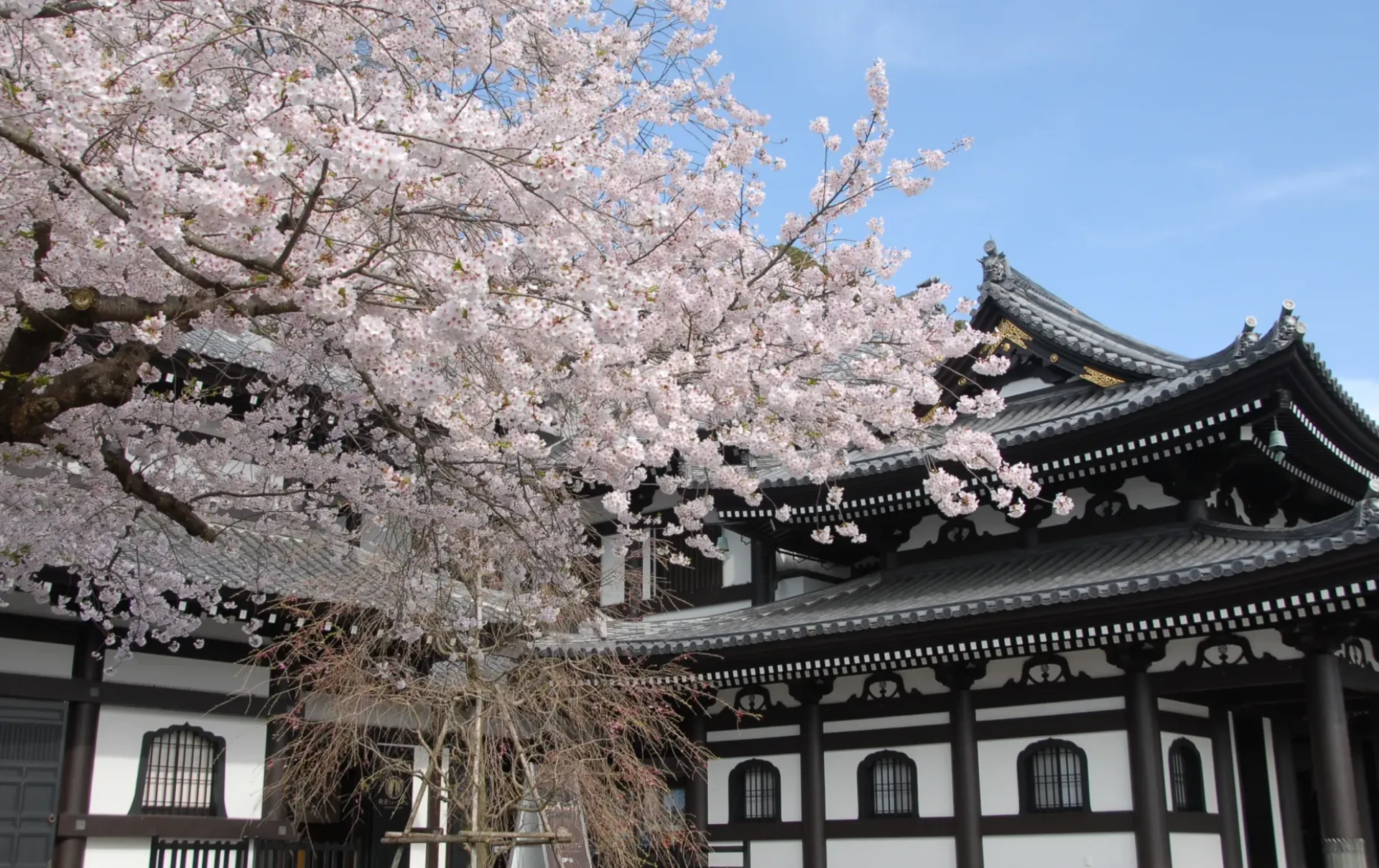
For a quieter experience and to avoid crowds, I recommend visiting Hase-dera early in the morning, just after opening. As for the best time of year, spring (March-April), when the cherry blossoms bloom, and autumn (November), with its colorful foliage, are spectacular, although they are usually busier.

Is Hase-dera accessible for people with reduced mobility or wheelchair users?

Hase-dera Temple has elevators and ramps that make most of the main areas accessible, including Kannon Hall and the observation decks. However, some parts of the garden and certain paths may have stairs. I suggest checking the official website or calling directly for more detailed information about your specific situation.

Besides Hase-dera, what other interesting places are there to visit nearby in Kamakura?

Kamakura is full of amazing places! Very close to Hase-dera you can visit the Great Buddha of Kamakura at Kotoku-in, which is truly impressive. I also recommend strolling along Komachi Street and heading to Tsurugaoka Hachiman-gū, the city’s most important shrine.

What are the best tips for making the most of my visit to Hase-dera?

I recommend wearing comfortable shoes, as there are several stairways and pathways. Don’t forget your camera to capture the stunning views of the bay and the gardens! Also, take a moment to enjoy the atmosphere of peace and serenity, and perhaps even take part in an incense ceremony for a more immersive experience. And of course, consider using one of our audio guides so you do not miss a single detail.

¿Prefieres escuchar en español?

🇪🇸 Escucha la audioguía de Hase-dera Temple en español