Entra en un bosque encantado con 3.000 linternas que guardan los secretos de la dinastía más astuta de Japón: ¿brillarán para ti?
Kasuga Taisha Shrine usually opens from 6:00 a.m. to 6:00 p.m. from April to September, and from 6:30 a.m. to 5:00 p.m. from October to March. You can get there easily by walking about 15–20 minutes from Kintetsu Nara Station or by taking a local bus to the Kasuga Taisha Honden stop. For more details on how to get there, you can visit Nara’s tourism website.
Admission to the outer shrine is free. However, to enter the inner shrine, including the main hall, there is a fee of JPY 500 for adults. While some special events may have additional costs, most visitors find that access to the inner area is well worth it for its impressive architecture and thousands of lanterns.
For a complete and unhurried visit, we recommend allowing between 1.5 and 2 hours. This will give you time to explore both the outer and inner shrine, admire the lanterns, and enjoy the beautiful natural surroundings. If you only want a quick look, one hour may be enough.
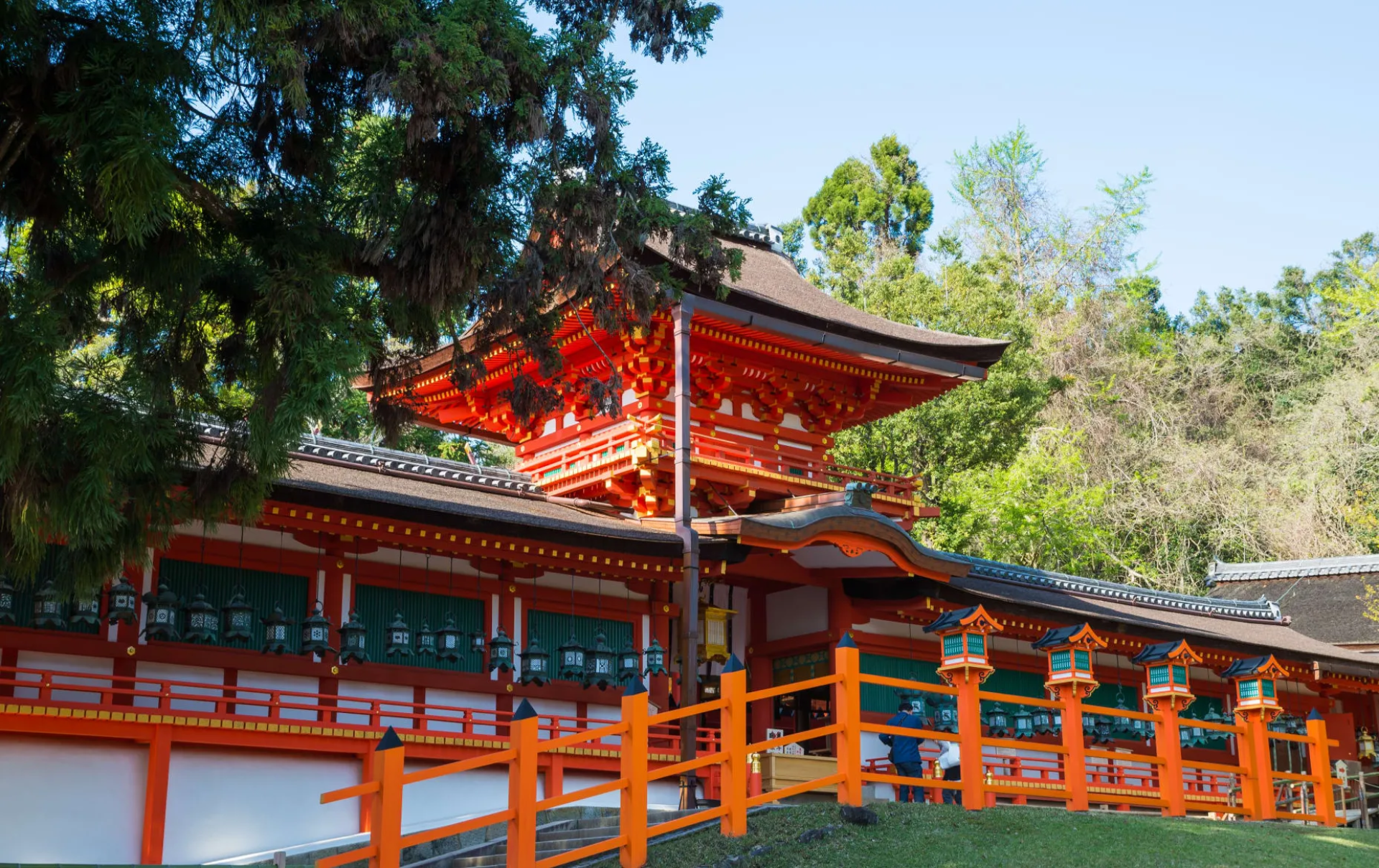
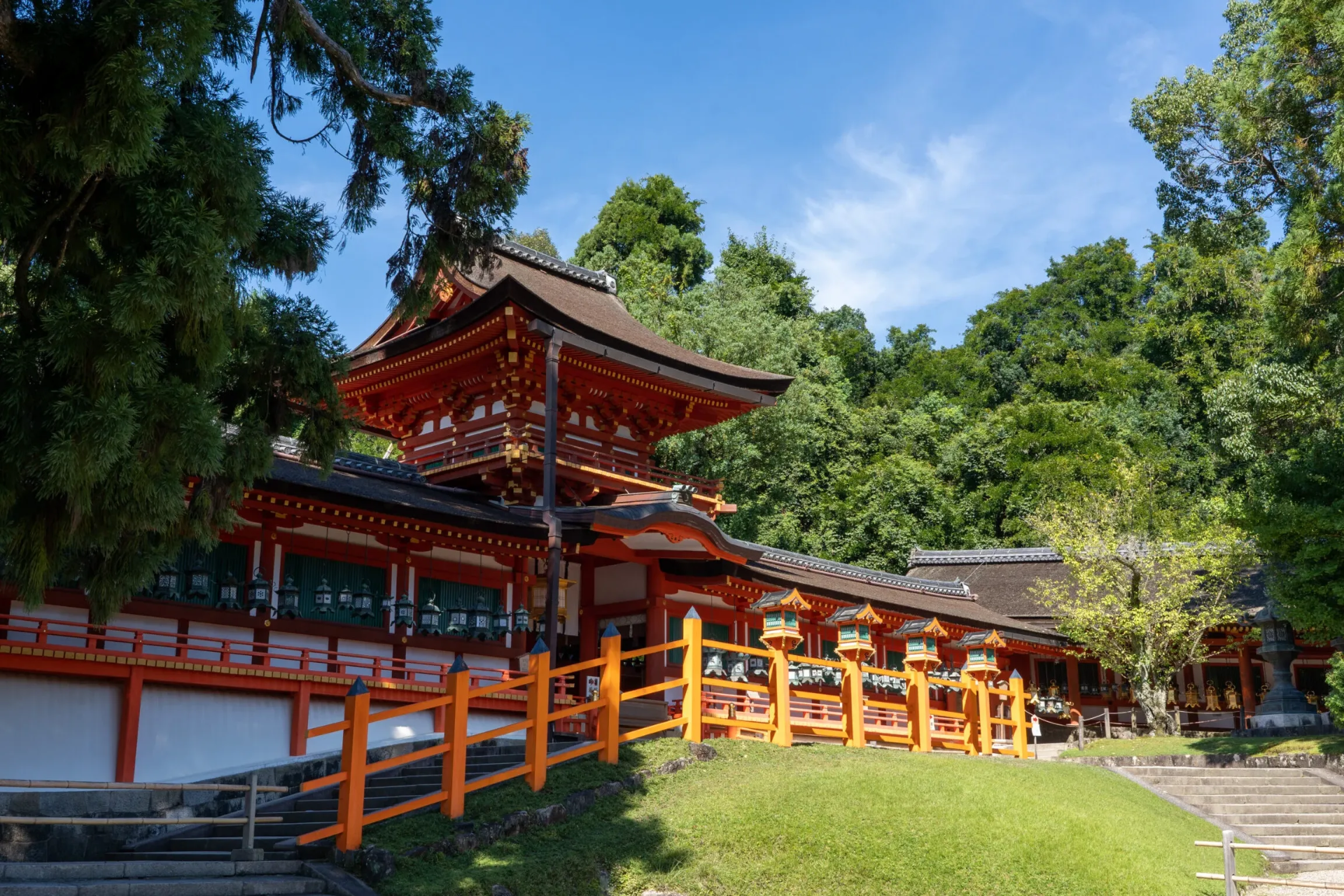
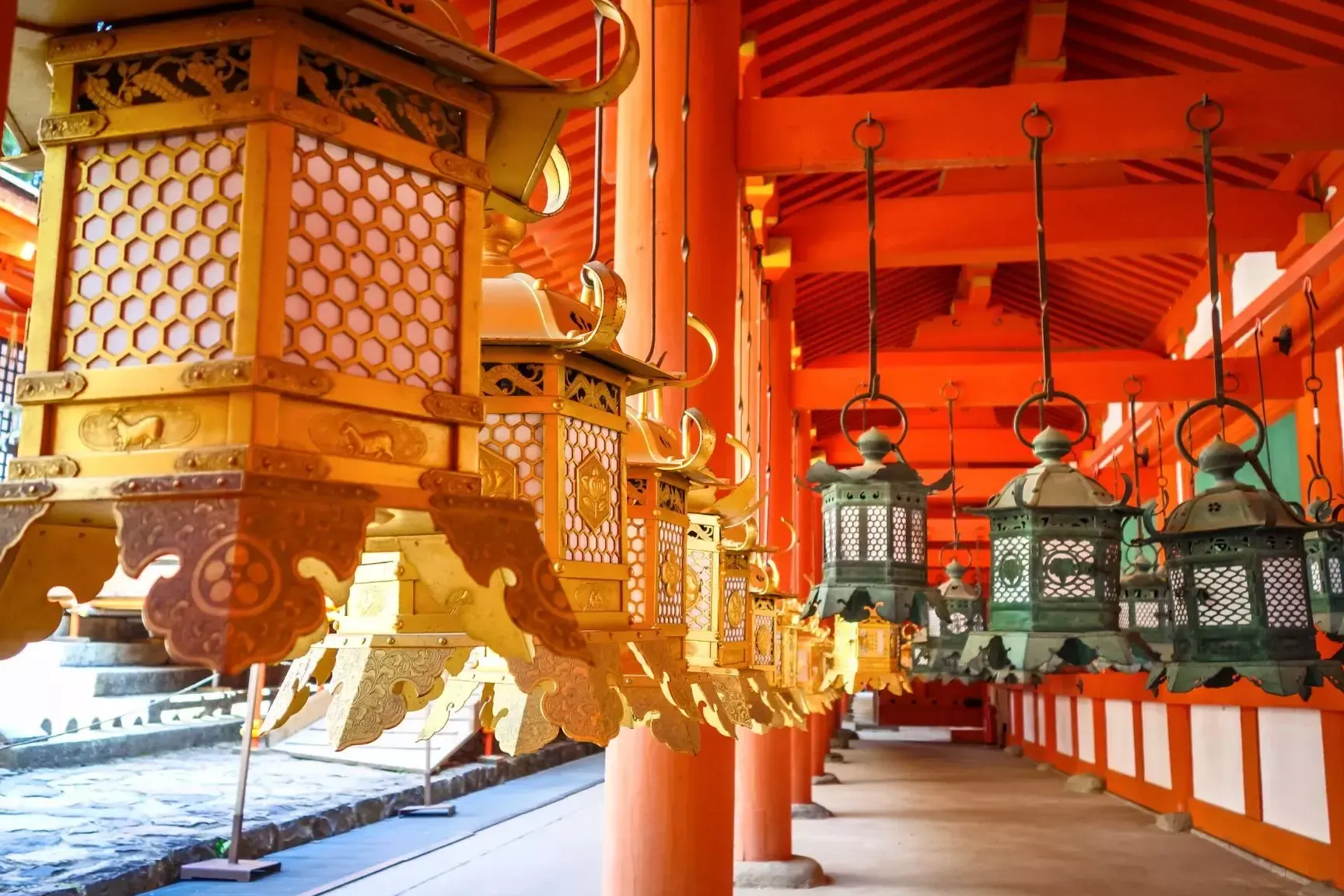
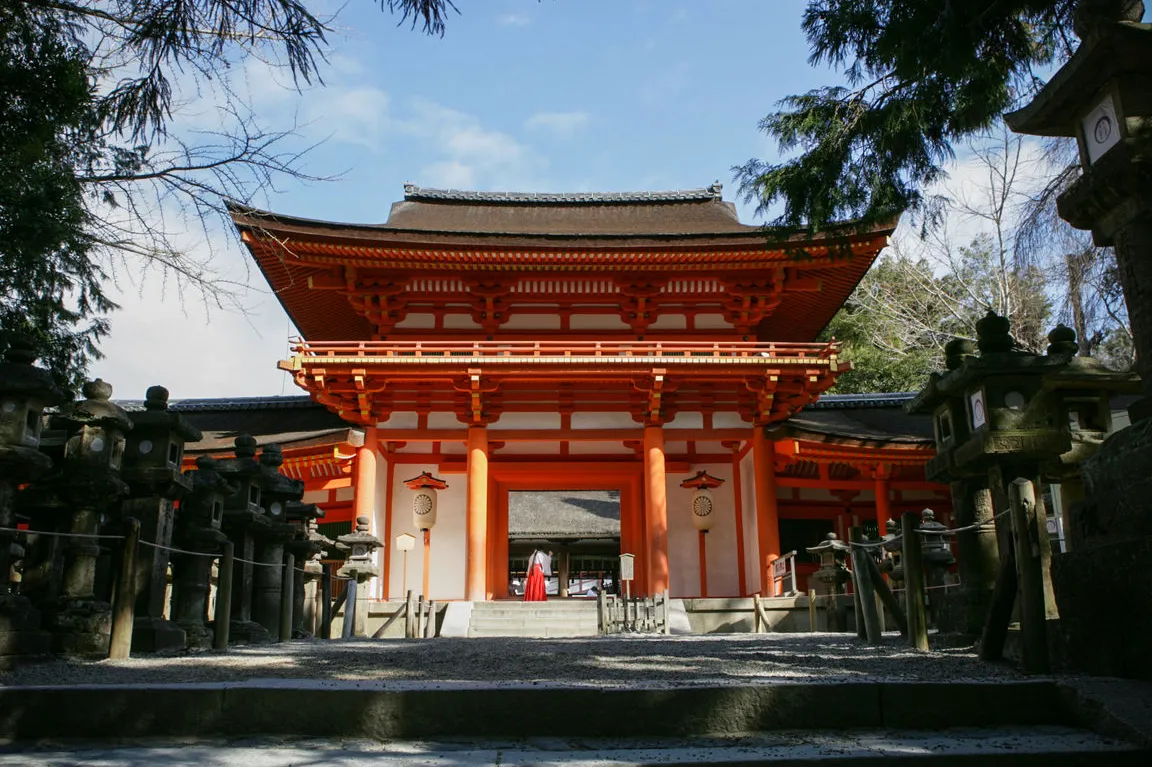
Kasuga Taisha Shrine is one of Japan’s oldest and most important Shinto shrines, founded in 768. It is known as the shrine of the Fujiwara family, and its cultural significance lies in its distinctive architecture, its more than 3,000 lanterns, and its deep connection to the history of Nara and Shinto. It is part of a UNESCO World Heritage Site.
Spring (March to May), when the cherry blossoms bloom, and autumn (October to November), with its vibrant fall colors, are beautiful times to visit thanks to the natural scenery. To avoid crowds, I suggest going early in the morning just after opening or later in the afternoon. The two times each year when all the lanterns are lit—the first weekend of February and mid-August—are spectacular events, but they are also very crowded.
The main path to the shrine and some of its outer areas are relatively accessible. However, some parts of the inner shrine and elevated areas may have stairs and uneven ground, which could make wheelchair access difficult. If you have concerns, I recommend contacting the shrine directly before your visit or checking Nara’s tourist information website for specific accessibility details.
Absolutely! Kasuga Taisha Shrine is located within famous Nara Park, where you can interact with the friendly deer, visit the impressive Todai-ji Temple with its Great Buddha, and explore Isuien Garden. You can also stroll through the historic streets of Naramachi to find traditional shops and restaurants.
Yes, I recommend wearing comfortable shoes, since you will be walking quite a bit. If you plan to visit the inner shrine, bring some cash for the admission fee. Don’t forget your camera—the lanterns and the surroundings are very photogenic! And of course, be respectful of local customs and the natural environment, especially around the deer. A good audio guide can enrich your experience by giving you cultural and historical context.
¿Prefieres escuchar en español?
🇪🇸 Escucha la audioguía de Kasuga Taisha Shrine en español