No te vayas sin conocer la historia Suscribete
IAudioGuia iaudioguia
Audio Guides of Nara

Audio Guide of Nara Park

Discover the history and secrets of this place with our audio guide.

✓ What guidebooks don't tell you
✓ Secrets other tourists miss
✓ Listen while you explore
Discover everything
00:00
00:00

📖 Audio Guide Chapters

8 chapters

1. Introduction

🔒 Premium Content

Subscribe to access all chapters of this audio guide.

2. History of Nara Park

🔒 Premium Content

Subscribe to access all chapters of this audio guide.

3. The Deer of Nara

🔒 Premium Content

Subscribe to access all chapters of this audio guide.

4. Tōdai-ji Temple

🔒 Premium Content

Subscribe to access all chapters of this audio guide.

5. Kasuga Taisha Shrine

🔒 Premium Content

Subscribe to access all chapters of this audio guide.

6. Isuien Garden

🔒 Premium Content

Subscribe to access all chapters of this audio guide.

7. Nara National Museum

🔒 Premium Content

Subscribe to access all chapters of this audio guide.

8. Closing

🔒 Premium Content

Subscribe to access all chapters of this audio guide.

❓ Frequently Asked Questions

What time does Nara Park open, and are there any entry restrictions?

Great question! As a public park, Nara Park is open 24 hours a day, 7 days a week, and it has no entrance gates. You can visit at any time you like, even at sunrise to watch the deer wake up! Because of its size, it is best to plan your route well so you can make the most of the daylight and enjoy all its corners.

Do you have to pay admission to enter Nara Park, or is it free?

Excellent news! Access to Nara Park is completely free. However, inside the park there are several temples and museums such as Tōdai-ji and the Nara National Museum, which do charge their own admission fees. For example, Tōdai-ji usually costs around 600 yen for adults.

How much time is recommended to visit Nara Park and its surroundings?

It really depends on what you want to see, but I recommend setting aside at least half a day, around 3 to 4 hours, to stroll around, interact with the deer, and visit one or two of the main temples such as Tōdai-ji. If you want to explore more leisurely and visit several temples and museums, a full day would be ideal so you do not miss anything.

What is the story behind Nara’s famous deer? Why are they considered sacred?

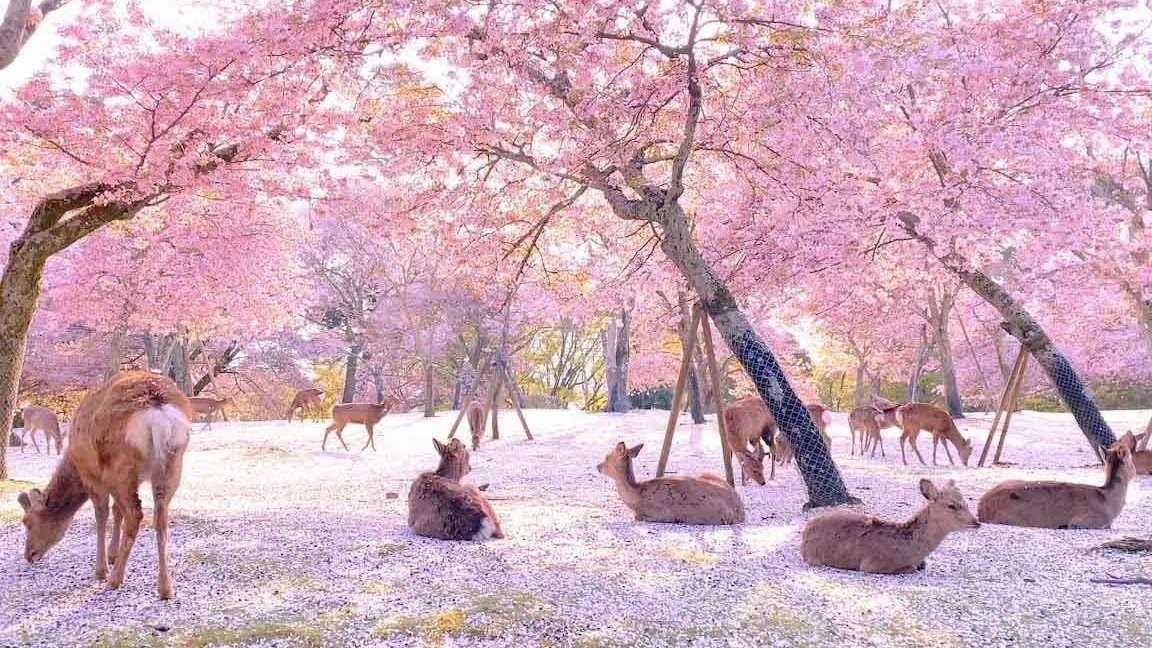
Nara’s deer have a fascinating history that goes back centuries. In the past, they were considered messengers of the Shinto gods, especially the god Takemikazuchi, who is said to have arrived in Nara riding a white deer. For this reason, they have long been protected and revered, which explains their large numbers and their present-day docility. They are a living symbol of Japan’s rich mythology and culture.

What is the best time of year or time of day to visit Nara Park to avoid crowds and enjoy it more?

To enjoy Nara Park without the crowds, I suggest visiting early in the morning, just after sunrise, or late in the afternoon. As for the best season, spring (March-April) with the cherry blossoms and autumn (October-November) with the red foliage are spectacular, although they are also peak seasons. If you want fewer people around, winter can be a quieter option.

Is Nara Park accessible for people with reduced mobility or wheelchairs? Are there adapted paths?

In general, Nara Park has many wide, paved areas that are quite accessible. However, some of the temples and shrines inside the park, such as Tōdai-ji or Kasuga Taisha Shrine, may have steps or uneven ground. I recommend checking the individual websites of each attraction inside the park for detailed accessibility information, or contacting the Nara Tourist Information Office directly at +81-742-27-8677 for specific details.

Besides Nara Park, what other famous or interesting attractions can I see nearby?

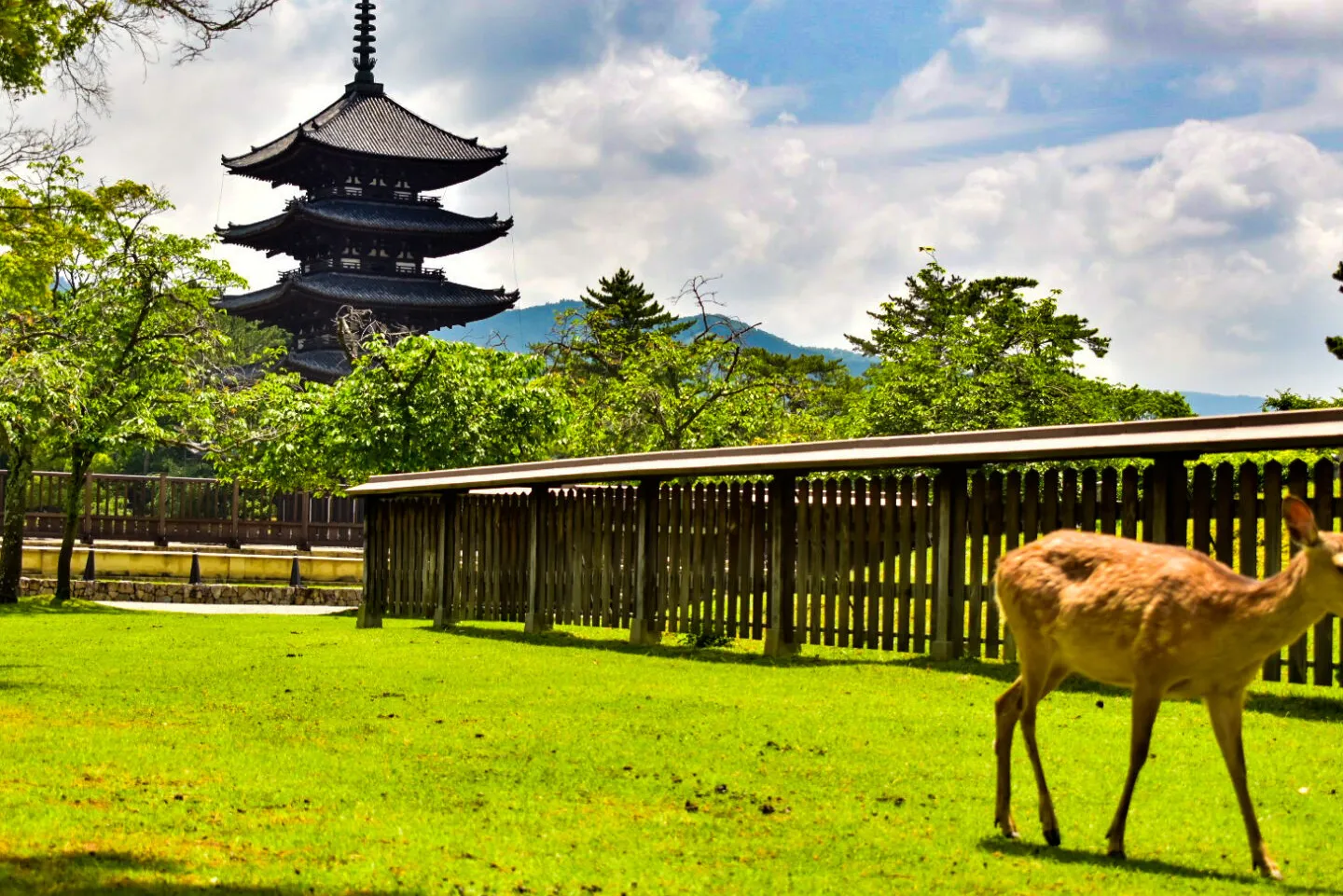
Nara is full of gems! Right next to the park, you should not miss the Great Buddha at Tōdai-ji Temple and Kasuga Taisha Shrine, famous for its thousands of lanterns. There is also the Nara National Museum if you are interested in Buddhist art. And if you have time, Isuien Garden or Kōfuku-ji Temple with its five-story pagoda are highly recommended visits to complete your experience in Nara. You can check Nara’s official tourism website for more ideas: Visit Nara.

Any practical tips for interacting with Nara’s deer or making the most of my visit to the park?

Of course! First, if you are going to feed the deer, buy the shika senbei, or deer crackers, sold by authorized vendors. Do not give them anything else. Keep in mind that although they are friendly, they can be a bit persistent. It is best not to scare them or run. Another tip: wear comfortable shoes, since you will do a lot of walking. And if you want a different experience, consider visiting the park at sunrise, when the deer are more active and the atmosphere is magical and peaceful.

¿Prefieres escuchar en español?

🇪🇸 Escucha la audioguía de Nara Park en español